


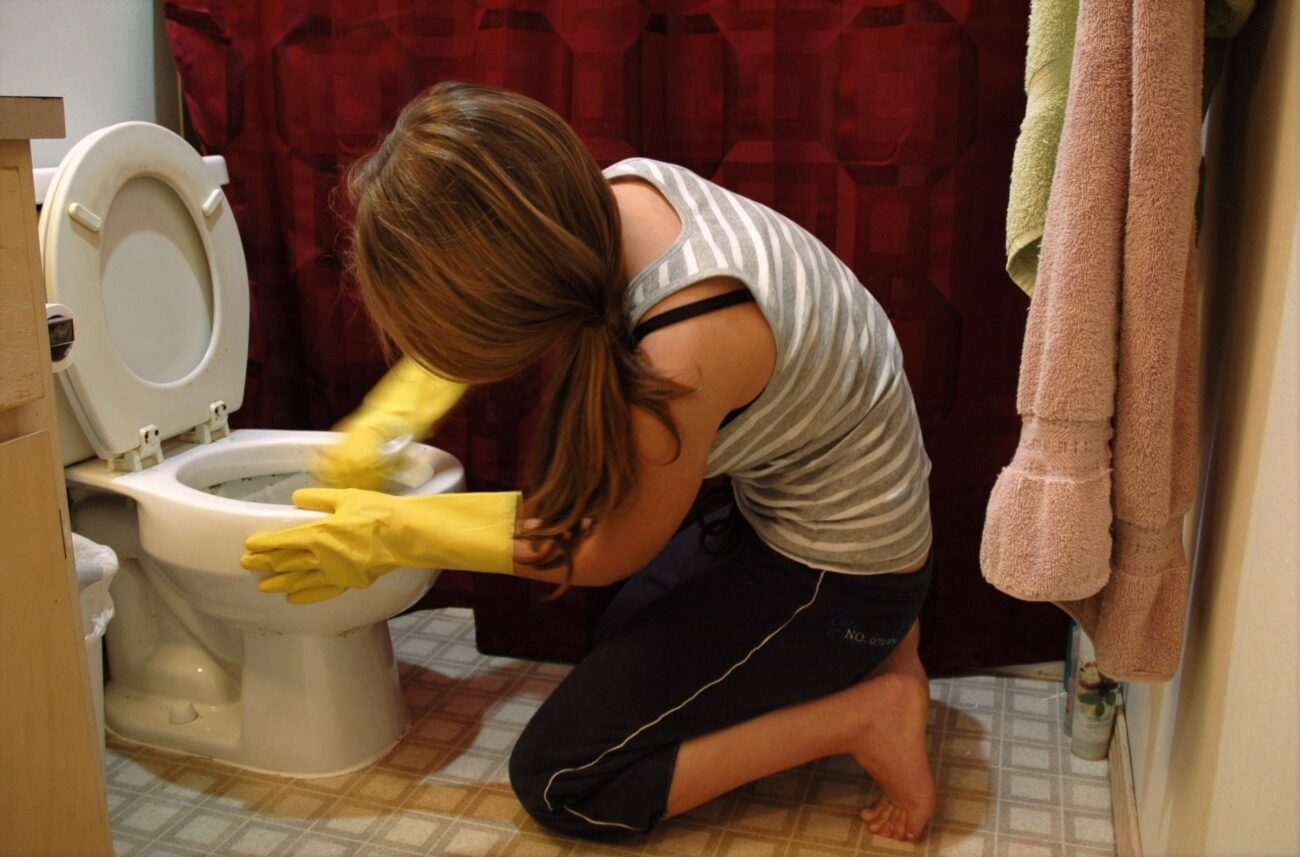
Spraying that lavender-scented all-purpose cleaner across kitchen counters feels like responsible adulting. You’re killing germs, freshening air, and creating a Pinterest-worthy home environment. What you’re actually doing is releasing a cocktail of brain-harming chemicals that recent studies suggest can cross the blood-brain barrier and damage the cells protecting your nerve fibers.
The Hidden Neurotoxins in Ordinary Products
Recent research reveals how common household items release particles that specifically target brain health.
New studies from Case Western Reserve University and EPA scientists, published in Nature Neuroscience between 2023 and 2025, identify five everyday products as particularly problematic. Synthetic air fresheners and plug-ins release phthalates—endocrine disruptors now linked to brain fog in adults and disrupted neurodevelopment in children.
Those convenient wall outlets pumping vanilla or ocean breeze into your living room? They’re essentially phthalate distribution systems.
Overheated non-stick cookware presents another threat. When Teflon coatings destabilize under high heat, they emit ultrafine PFOA particles that studies suggest can reach brain tissue. Your poorly ventilated kitchen becomes a neurotoxin delivery room every time you sear that steak.
Cleaning Products Target the Brain’s Protection System
Conventional sprays and disinfectants damage oligodendrocytes, the brain cells that insulate nerve fibers.
The real revelation involves quaternary ammonium compounds—”quats” to researchers—found in most aerosol cleaners and disinfectants. These chemicals selectively destroy oligodendrocytes, brain cells essential for protecting nerve communication pathways.
Scientists now suspect this damage may contribute to multiple sclerosis and autism spectrum disorders. Your antibacterial wipes aren’t just killing surface germs; they’re potentially compromising your brain’s electrical system.
Meanwhile, that “new furniture smell” from pressed-wood pieces signals formaldehyde off-gassing—a known neurotoxin causing memory problems and concentration loss. Even scented laundry products coat your clothes with persistent organic pollutants that absorb through skin and lungs with every wear.
Small Swaps, Major Protection
Simple product substitutions can dramatically reduce household neurotoxin exposure.
The wellness movement toward “clean” homes isn’t just Instagram aesthetics—it’s neuroscience-backed protection. Switch to fragrance-free, plant-based cleaners. Replace non-stick pans with cast iron or stainless steel. Choose solid wood over particle board furniture when possible. Ventilate rooms aggressively, especially with new purchases.
Children face the highest risk since their developing brains absorb these compounds more readily. But adults aren’t immune—chronic exposure accumulates over decades. Your brain deserves better than a daily chemical assault disguised as domestic responsibility.