

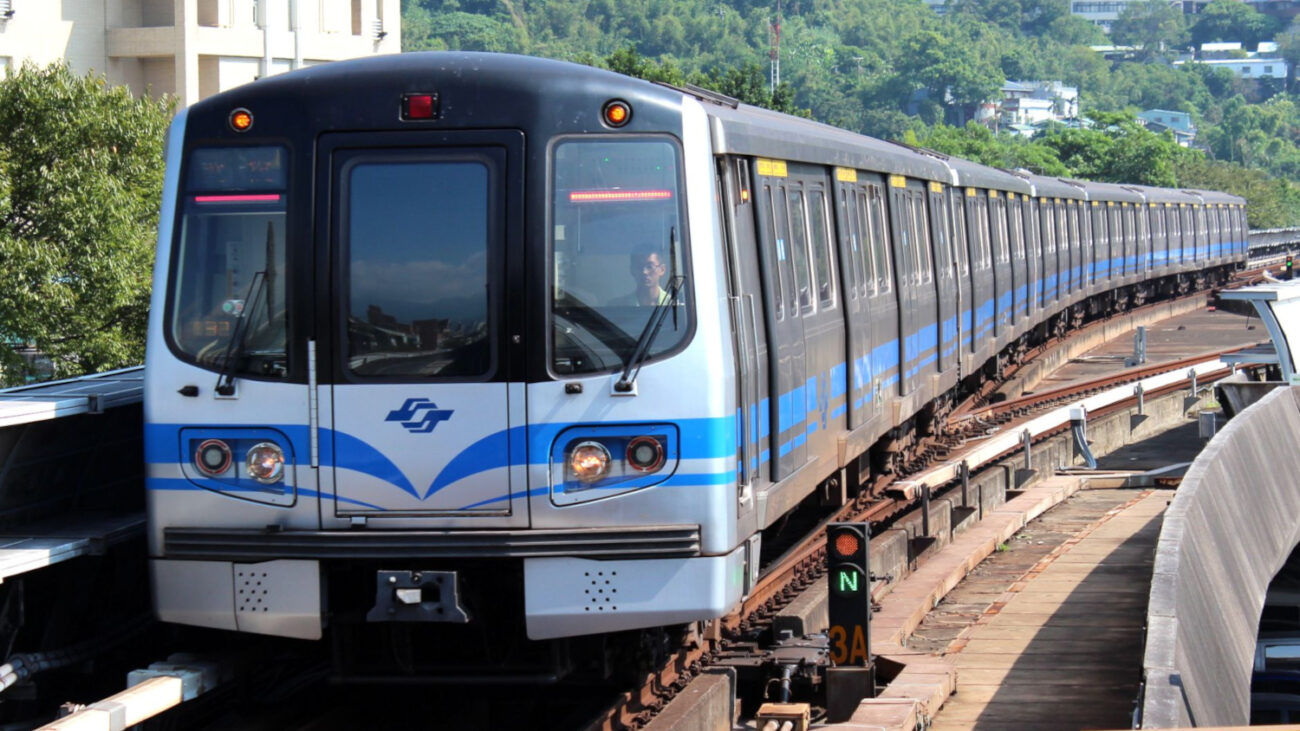
You land somewhere unfamiliar. No rental car queued. No surge pricing. Just a transit card and a city that actually works. According to Time Out‘s 2026 survey of more than 24,000 residents — who rated their local networks from “awful” to “amazing” — Taipei tops the global list with a 95 percent approval rating. What follows is a practical guide to the cities worth trusting when you’re navigating on foot, a day pass, and genuine ambition.
Where Locals Give Their Networks a Standing Ovation
The top five demonstrate how integration, reliability, and smart pricing turn daily commutes into something residents genuinely praise.
The rankings read like an Asian transit masterclass with a Scottish plot twist. Taipei’s EasyCard covers MRT rides, buses, and YouBike rentals — and 95 percent of residents still rate the network “good” or “amazing.” Singapore completed its Circle Line in July 2026, closing a 33-station, 39-kilometre loop that now connects the city in a continuous rail ring. Hong Kong layers heavy rail with historic double-decker trams and cross-harbour ferries. Edinburgh, the UK’s highest entry at 92.4 percent, runs Lothian Buses alongside its tram network. Seoul’s Climate Card bundles unlimited transit and bike access into a subscription — the kind of pricing that makes monthly commuters feel like they’re beating the system.
A few patterns explain what separates the best from the rest:
- Integration: Taipei’s EasyCard, Hong Kong’s Octopus card, and Helsinki’s HSL ticket — covering trams, metro, trains, and the Suomenlinna ferry — show how a single payment method simplifies even complex networks.
- Reliability and atmosphere: Clean stations, orderly boarding, and legible connections consistently appear in descriptions of the highest-rated cities.
- Pricing: Seoul’s subscription pass, Tallinn’s free transit for registered residents (Europe’s first such scheme, launched in 2013), and Vienna’s annual pass — which rose to €467 in January 2026 — all shape how locals feel about their networks.
- Transit as tourism: Medellín’s Metrocable connects steep hillside communities to the valley floor and draws visitors in its own right; Zurich’s lake boats form part of its integrated ticketing offer on applicable routes.
What This Means When You’re the One Buying the Day Pass
The ranking measures resident perception, not a technical performance index — and that distinction matters for travellers planning their routes.
Cities six through ten each bring something specific. Zurich’s trams run frequently, its ticket covering funiculars and selected boats within applicable fare zones. Vienna’s network remains one of Europe’s busiest despite a January 2026 fare increase. Tallinn offers free public transport to registered residents; visitors pay, though the cost is modest and can be bundled with a tourist card. Helsinki’s single HSL ticket extends to the Suomenlinna ferry — connecting the city to an 18th-century island sea fortress that feels nothing like a tourist trap. Then there’s Medellín, where cable cars originally built to connect isolated hillside communities have become a genuine point of civic pride and a draw for visitors.
The ranking measures local perception, not an objective global performance index — worth saying plainly. High approval suggests residents find their networks reliable and easy to use, which matters most when you’re navigating unfamiliar streets with no familiarity with airport security protocols in each country. Match the network to the trip:
- Taipei and Singapore for seamless integration
- Hong Kong and Helsinki for waterfront journeys worth making deliberately
- Zurich for unusual multimodal breadth
- Medellín for something genuinely unexpected
The best transit system is the one that makes you forget you’re using it. These cities passed that test, with more than 24,000 residents as the judges. Pack light. Leave the rental car app closed.