

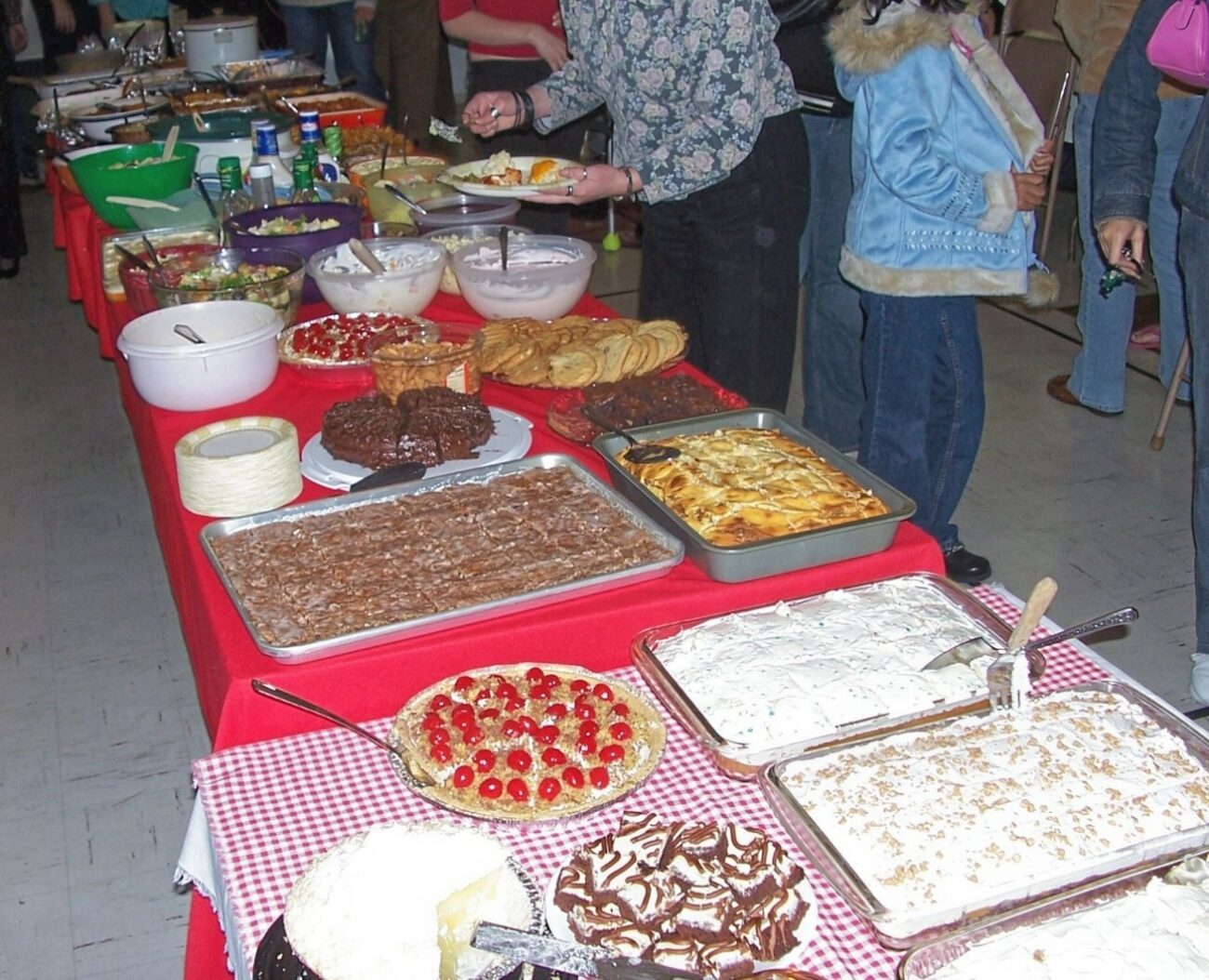
Steam rises from a dozen mismatched dishes scattered across folding tables, each one carrying more than just food. You know the scene: the church basement, the community center, the activist meeting that “won’t take long” but stretches past dinnertime. Everyone’s welcome. Everyone contributes. Everyone’s equal.
Except they’re not.
The Praise Disparity
Men get applauded for bringing store-bought cookies while women face silent judgment for homemade efforts.
Watch any potluck closely and you’ll spot the double standard faster than someone claiming the last dinner roll. Single men arrive with grocery store cookies and receive genuine praise for “participating.” Single women show up with the same purchased dessert and face raised eyebrows about effort and care. Research from feminist scholars examining communal dining shows this pattern transcends religious, secular, and activist spaces alike.
The math is brutal: women organize, cook, serve, and clean. Men show up. Yet somehow the narrative frames potlucks as spontaneous, egalitarian gatherings where hierarchy dissolves into shared abundance.
When Revolution Replicates Oppression
Even feminist and lesbian communities couldn’t escape the gendered expectations they sought to overthrow.
The lesbian potluck of the 1970s and ’80s promised liberation from heterosexual domesticity’s constraints. These gatherings became celebrated spaces of ensemble life—affordable, communal, and resistant to mainstream social conventions. Yet research shows even these radical spaces generated new rules about acceptable foods, proper conduct, and belonging.
Satirical depictions in Alison Bechdel’s comics captured the persistent tensions: dietary policing, judgment disguised as community standards, and the exhausting performance of goodness through food. Liberation movements discovered they could challenge patriarchal norms while unconsciously replicating the care work expectations that defined them.
Class and race further complicated the picture. Vegan requirements, kosher needs, and health restrictions created new hierarchies of “appropriate” contribution, leaving some participants empowered while others—especially those with limited time or culinary skills—risked social exile for violating unspoken codes.
The potluck persists because it serves community needs while masking its social costs. Until organizers deliberately redistribute the emotional and culinary labor, these gatherings will continue demanding women perform belonging through unpaid care work—one covered dish at a time.