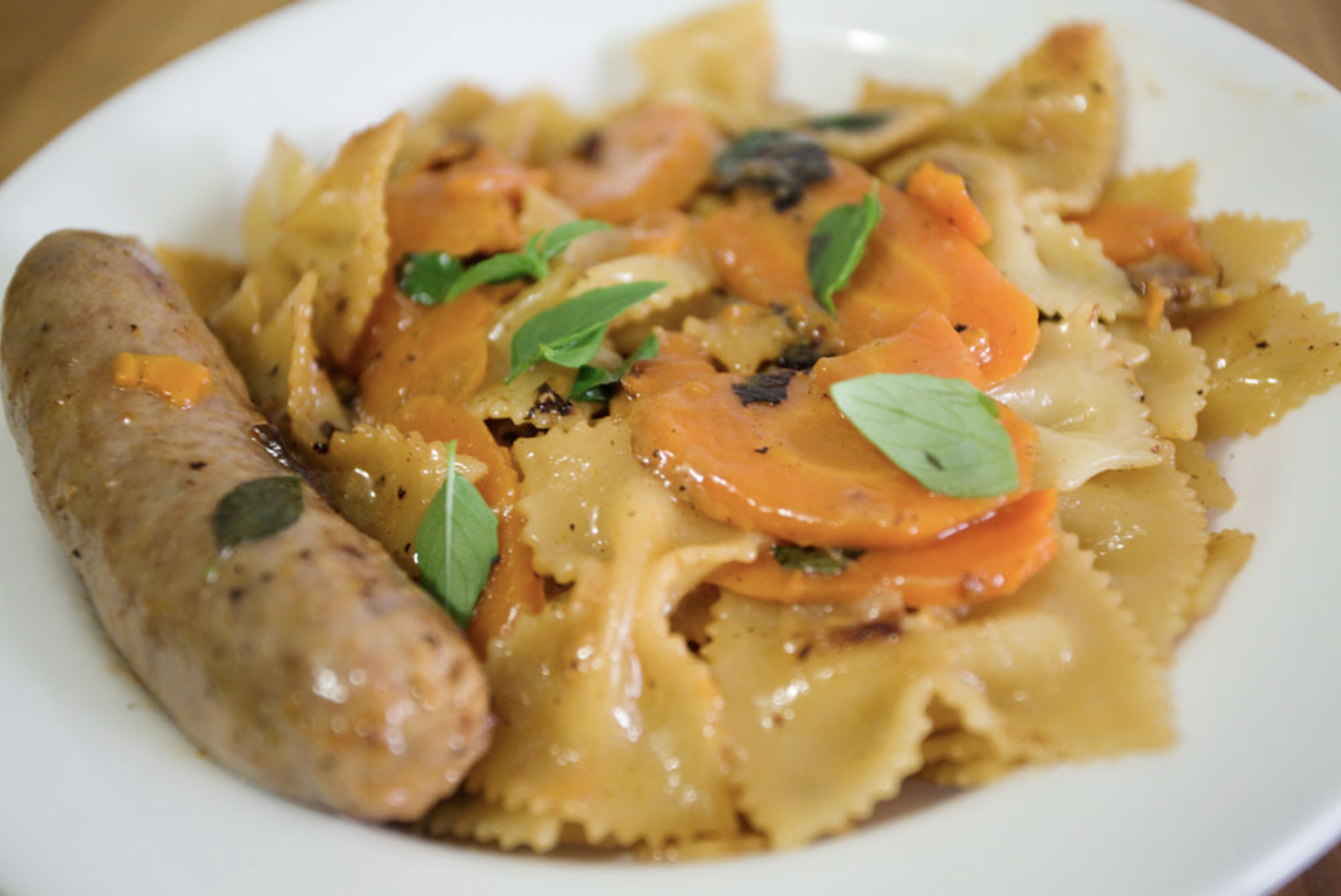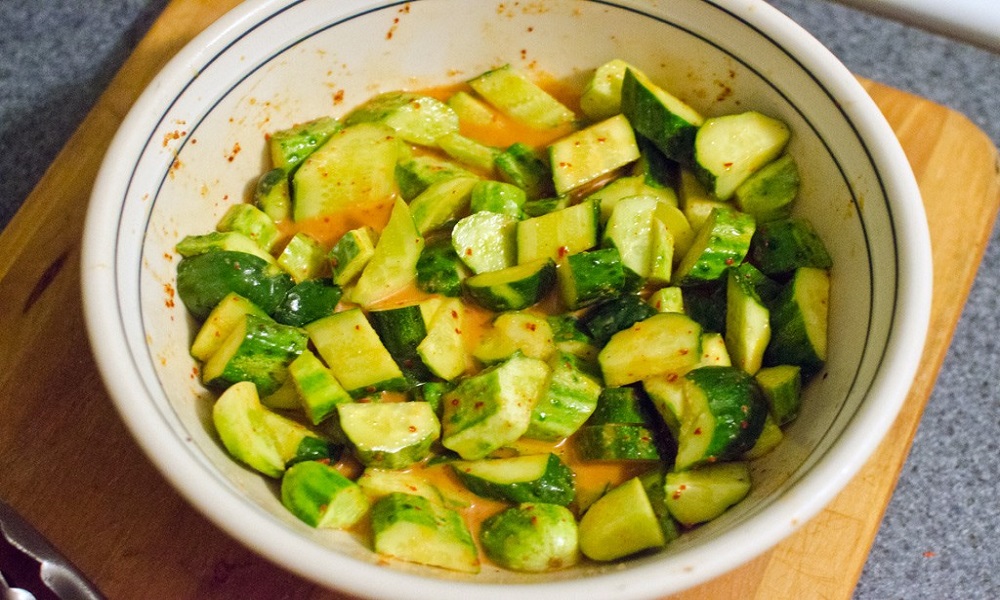


That 2 AM craving for Thai food doesn’t just feed your hunger—it feeds a $270 billion industry you’ve never heard of. While you’re savoring pad thai and scrolling through Netflix, data brokers are mining your midnight munchies for profit. Your $15 delivery order generates more revenue for invisible middlemen than the restaurant that actually cooked your meal.
The culinary surveillance economy runs deeper than most food lovers realize. Every swipe of your loyalty card, every late-night delivery, every restaurant reservation becomes raw material for an invisible marketplace where your dining habits are bought, sold, and analyzed.
Your Bank Knows Your Comfort Food Better Than You Do
Financial institutions profit from processing your restaurant payments by selling transaction data to brokers.
Banks routinely sell anonymized transaction histories to data brokers, according to industry reports. That grocery run for organic wine or your Thursday night sushi habit? It’s all catalogued, analyzed, and packaged into consumer profiles worth far more than your actual purchases.
Loyalty programs amplify this data goldmine. Grocery chains, restaurant groups, and delivery apps don’t just reward your repeat business—they monetize your predictable patterns. Comfort food after midnight signals vulnerability to marketers. Holiday wine purchases suggest disposable income. Your dietary choices become economic intelligence.
Banks and loyalty programs sell anonymized purchase histories for substantial profit. Data brokers like Acxiom maintain profiles with thousands of data points per person. Your email address alone is worth $89 to marketers; your full culinary profile is worth multiples more. The global data broker industry, valued at over $270 billion, is projected to exceed $470 billion by 2032.
From Midnight Munchies to Political Campaigns
Food delivery platforms and travel sites sell consumer data streams that power everything from credit assessments to voter targeting.
Food delivery platforms and travel booking sites participate in this data ecosystem, selling anonymized streams to brokers who refine consumer segments for tourism boards, airlines, and restaurant chains. Your trips to food festivals and reservations at trendy spots frequently feed industry analytics that drive broader culinary trends and targeted advertising.
These patterns power more than restaurant recommendations:
- Credit companies use dining habits to assess financial risk
- Political campaigns target voters based on cuisine preferences and restaurant locations
- Hedge funds analyze food delivery data to predict retail performance
Your spontaneous decision to order Korean BBQ at midnight becomes a data point in someone else’s algorithm.
The majority of profit flows to data brokers, marketers, and financial intermediaries—not the restaurants you’re trying to support. While opt-out mechanisms exist, they require navigating time-consuming processes across dozens of companies. Most diners remain unaware that their culinary choices generate more revenue for data dealers than the chefs who actually prepared their meals.