

We’ve all seen it and been there: professional woman, tailored coat, ordering her oat milk cortado with an extra shot. Eight dollars exchanged for four ounces of liquid that costs maybe fifty cents to produce. Financial advisors call this wealth sabotage. They’re missing the point entirely.
Women spend $2,327 annually on coffee compared to men’s $1,934, according to Balance Coffee research, despite consuming slightly less volume. The math seems backwards until you realize women aren’t just buying caffeine — they’re purchasing permission to prioritize themselves for exactly three minutes in a day that demands everything else come first.
The Real Economics of Self-Permission
That premium latte functions as portable luxury in an austerity culture that polices women’s desires.
The “$8 latte factor” has become shorthand for frivolous female spending, suggesting women could afford homes if they’d skip Starbucks. Economists have thoroughly debunked this narrative, according to Accio Business research. Housing costs and wage gaps create wealth barriers that dwarf the cumulative impact of specialty beverages.
Meanwhile, longitudinal studies link regular coffee consumption to better mental wellness and lower disease risks in women — making that daily ritual an investment in both psychological and physical health. The specialty coffee experience offers something beyond caffeine: curated environments designed for pause, reflection, and social connection.
Cafés function as “third places” — spaces outside work and home where identity can breathe. For many women juggling careers, families, and endless obligations, ordering that perfectly crafted drink represents a conscious choice to value personal pleasure over imposed frugality.
Reframing the Ritual
The latte culture critique reveals more about societal attitudes toward women’s spending than actual financial wisdom.
This isn’t about defending overpriced coffee — it’s about recognizing that small luxuries serve vital psychological functions. The woman savoring her morning cortado might be a teacher stretching her budget, but she’s also claiming space for herself in a world that constantly demands she shrink her desires.
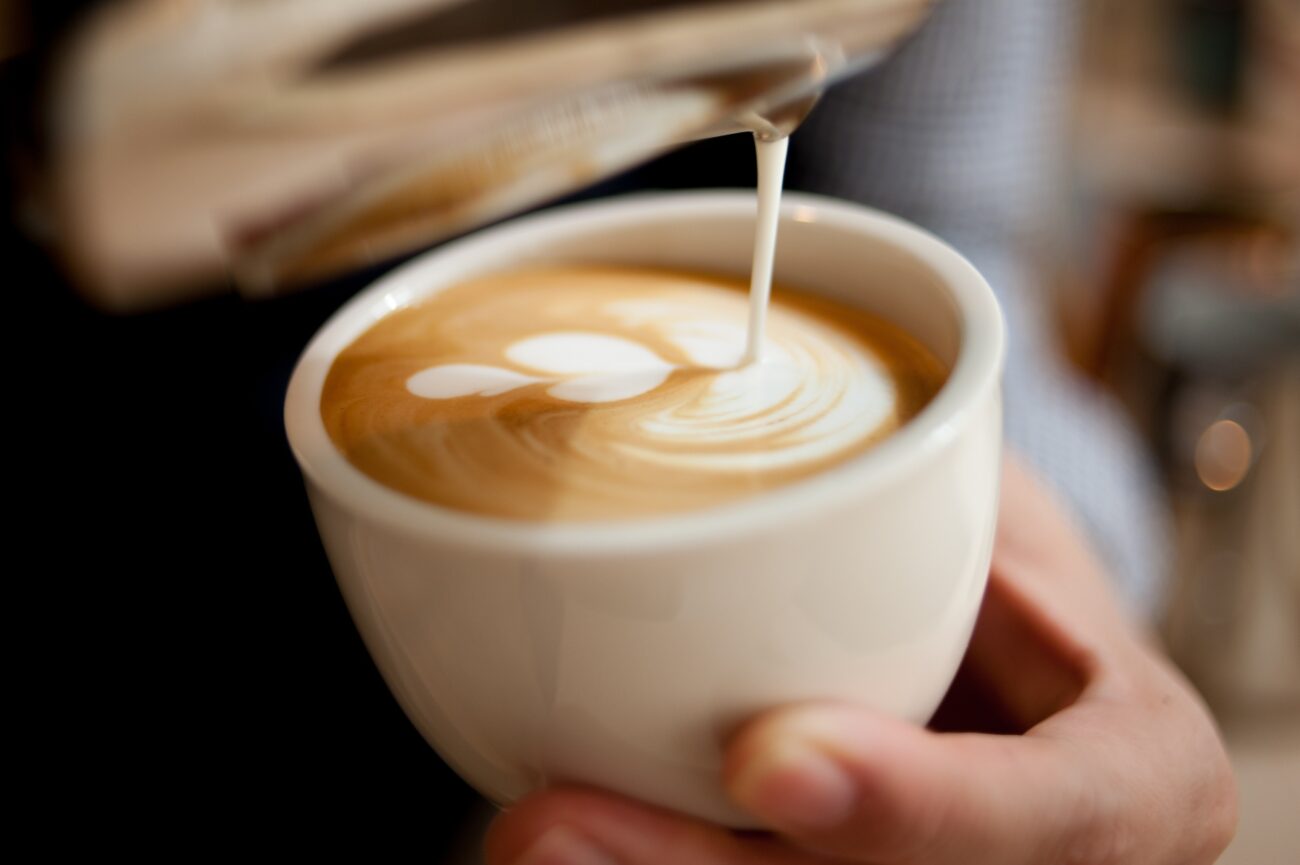
That foam art and oat milk upgrade? They’re tangible proof that she matters enough to choose quality over convenience. The specialty coffee industry has built an entire economy around these micro-moments of self-care. From Instagram-worthy latte art to ethically sourced beans, every element reinforces the message that this purchase carries meaning beyond consumption.
The $8 latte becomes a small rebellion against cultural narratives that frame women’s pleasure as inherently wasteful. The next time someone criticizes the latte habit, remember: you’re not buying overpriced milk foam. You’re buying three minutes where your preferences matter most.