

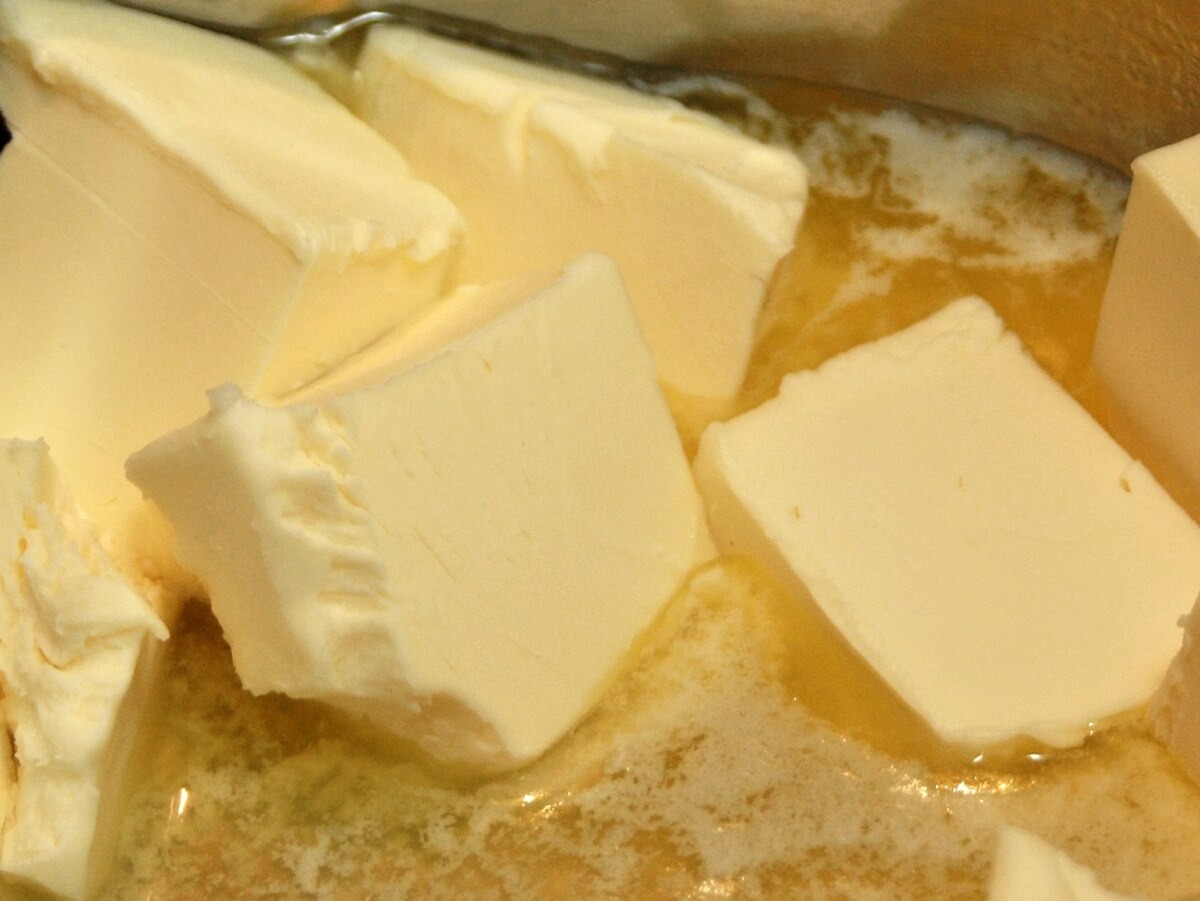
That croissant from the corner boulangerie in Paris carries a distinctive flavor that sets it apart from homemade versions—and the difference lies in a simple ingredient choice. Many French pastry masters, particularly in Brittany where kouign-amann was born, continue using salted butter for their laminated doughs.
American baking wisdom advocates unsalted butter for control and consistency, citing how salt levels vary between brands and can affect gluten development. Yet salted butter offers distinct advantages: salt churned directly into butter disperses more evenly than crystals mixed into dough, preventing uneven seasoning that can disrupt delicate pastries.
David Lebovitz, the American pastry chef turned Paris resident, recommends using “the best salted butter you can find” for kouign-amann, then finishing with “a few grains of coarse crunchy salt” before baking. This approach reflects traditional Breton practice rather than modern innovation.
The Butter Block Breakthrough
High-fat European salted butter transforms laminated doughs from good to transcendent.
European-style salted butters typically contain 82% butterfat compared to standard American varieties, creating superior lamination and richer flavor. When folded through croissant dough, each layer carries integrated seasoning that enhances sweetness rather than overwhelming it—similar to how salted caramel balances sweet and savory elements.
For practical application, reduce your recipe’s added salt by ¼ teaspoon per ½ cup of salted butter used. This adjustment works particularly well for:
- Croissants and puff pastry: Use salted butter in the butter block while keeping dough salt minimal
- Shortbread and tart shells: Simple ingredient lists showcase butter’s complexity
- Whipped cream finishes: A pinch of fleur de sel while whipping adds restaurant-quality depth
From Brittany to Your Kitchen
Recovery of traditional technique rather than revolutionary change.
American baking’s shift toward unsalted butter served mass production and recipe standardization well, but home bakers face different priorities. Those seeking to recreate authentic French pastry flavors can benefit from returning to traditional practices that many Breton bakers never abandoned.
Start with one pastry type—perhaps weekend croissants or holiday tart shells—and experience how integrated salt transforms flavor balance. The upgrade already sits in your refrigerator, requiring only the confidence to embrace what French pastry tradition has long understood.