

Your body isn’t a simple calculator, and the math that’s supposed to govern weight loss is fundamentally flawed. The “calories in, calories out” formula—nutrition’s most persistent oversimplification—ignores the complex hormonal orchestra conducting your metabolism behind the scenes.
When Your Body Rewrites the Equation
Metabolic adaptation makes your body fight back against calorie restriction.
Weight loss plateaus aren’t personal failures—they’re biological inevitabilities. When you slash calories, your metabolism downshifts like a smartphone switching to power-saving mode.
Harvard Health researchers have documented this metabolic adaptation, where the body reduces energy expenditure as weight drops. The same 1,200-calorie deficit that worked in week one becomes metabolically irrelevant by week twelve.
Your hunger hormones join the rebellion. Ghrelin spikes while leptin crashes, creating the kind of food obsession that makes grocery store aisles feel like minefields. This isn’t willpower failure—it’s evolutionary biology protecting you from what your body perceives as starvation.
The Protein Advantage Science Can’t Ignore
Different macronutrients require vastly different amounts of energy to process.
Not all calories demand equal energy to metabolize. Protein burns roughly 30% of its calories during digestion—the thermic effect—while carbohydrates and fats hover around 8% and 3%, respectively.
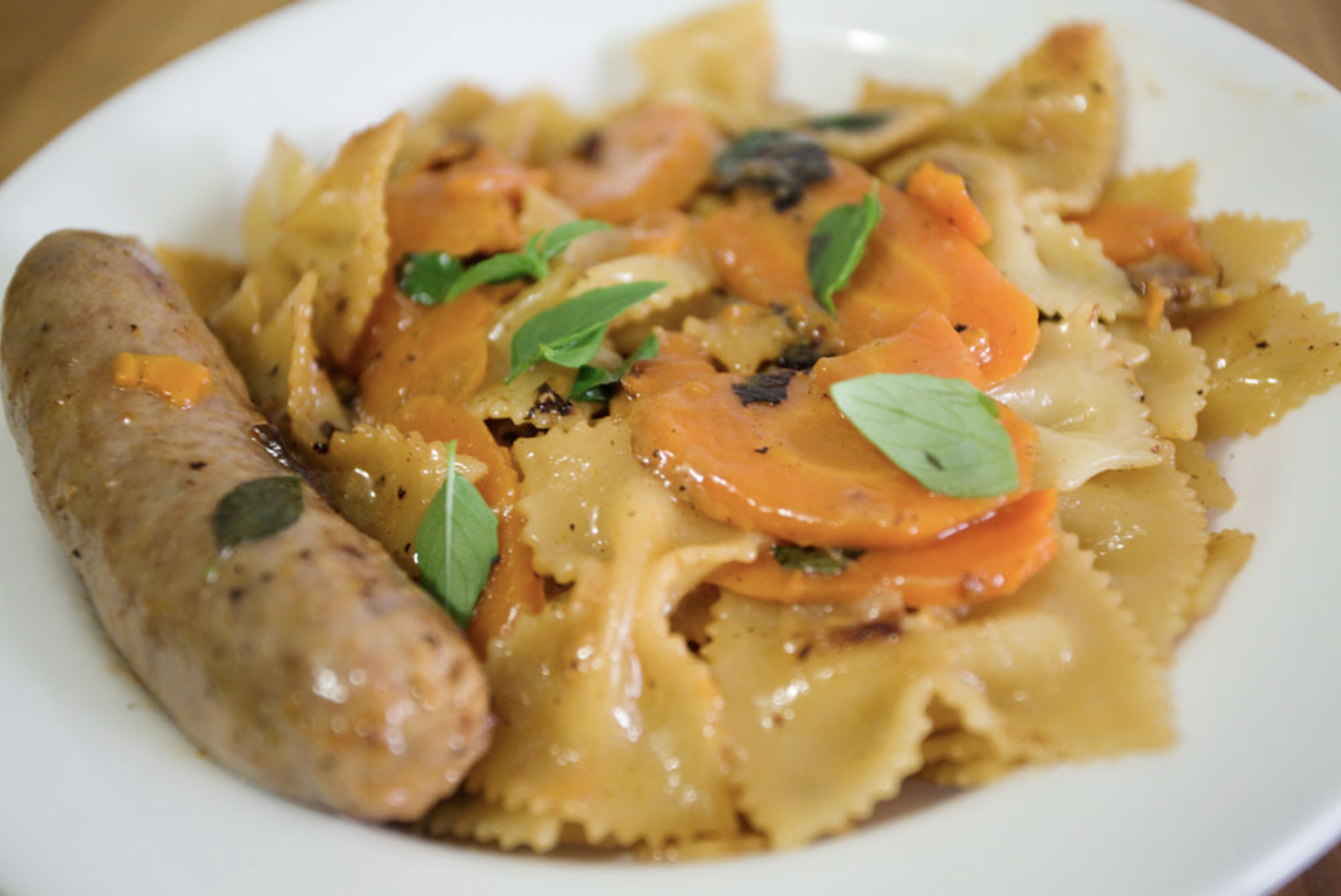
A 400-calorie chicken breast leaves you with about 280 usable calories, while 400 calories of pasta delivers nearly the full amount.
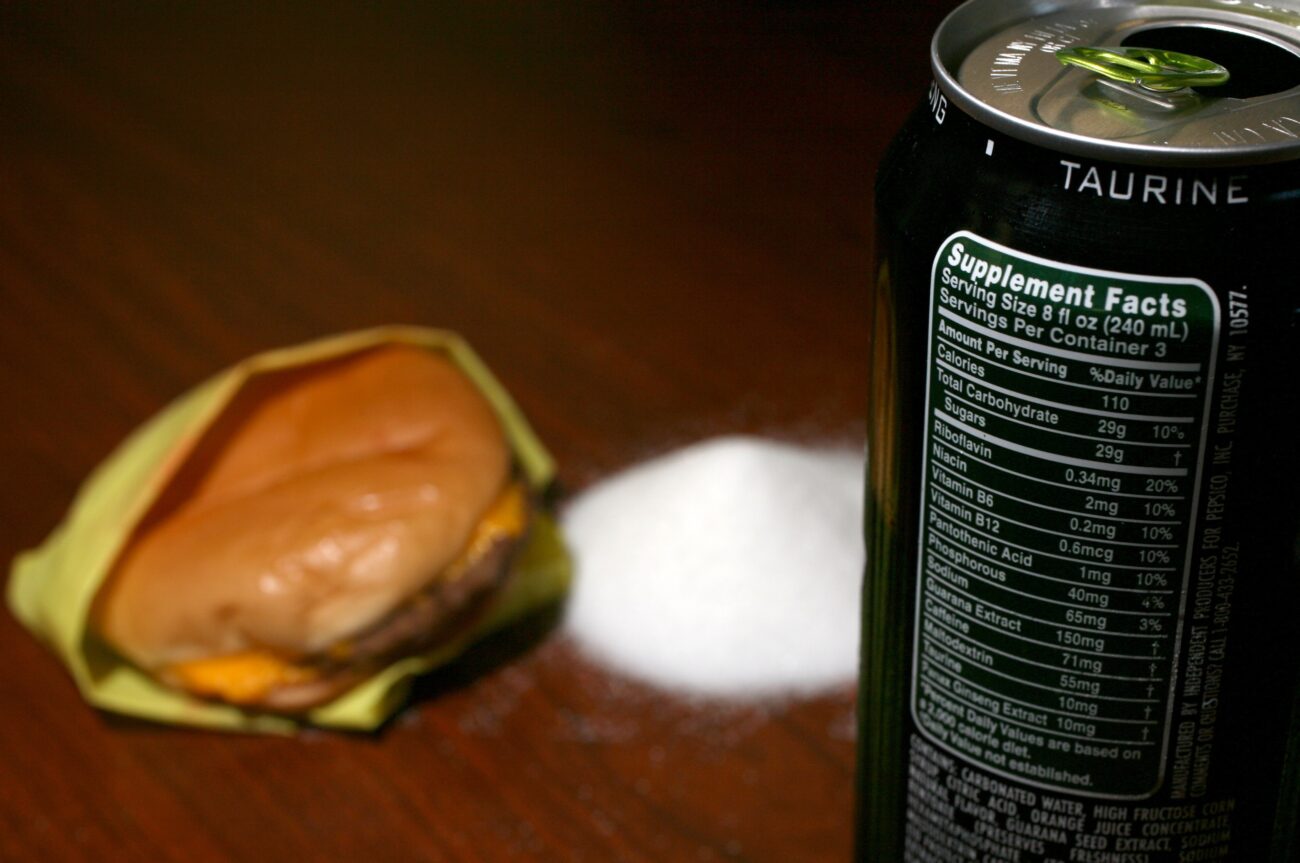
The insulin response tells an even starker story. Refined carbohydrates trigger massive insulin spikes that lock fat stores away from your metabolism’s reach. Meanwhile, protein and healthy fats maintain steady insulin levels, allowing your body to access stored energy. Same calorie count, opposite metabolic outcomes.
Your Gut Bacteria Are Voting Too
Individual microbiomes extract different amounts of energy from identical foods.
Two people eating the same meal can extract vastly different caloric values based on their gut bacteria composition. Some microbiomes are efficiency experts, extracting maximum energy from fiber and resistant starches. Others are more wasteful, allowing calories to pass through unabsorbed.
Contemporary research from registered dietitians confirms what Mediterranean and Okinawan cultures have practiced for centuries: food quality trumps calorie arithmetic. “Stop counting calories,” advises Harvard Medical School, advocating instead for whole foods that naturally regulate appetite and energy balance.
This biological reality makes calorie counting as precise as weather prediction—theoretically sound but practically unreliable. The path forward prioritizes food quality over quantity:
- Whole grains
- Lean proteins
- Fiber-rich vegetables
- Minimally processed ingredients that work with your biology rather than against it