

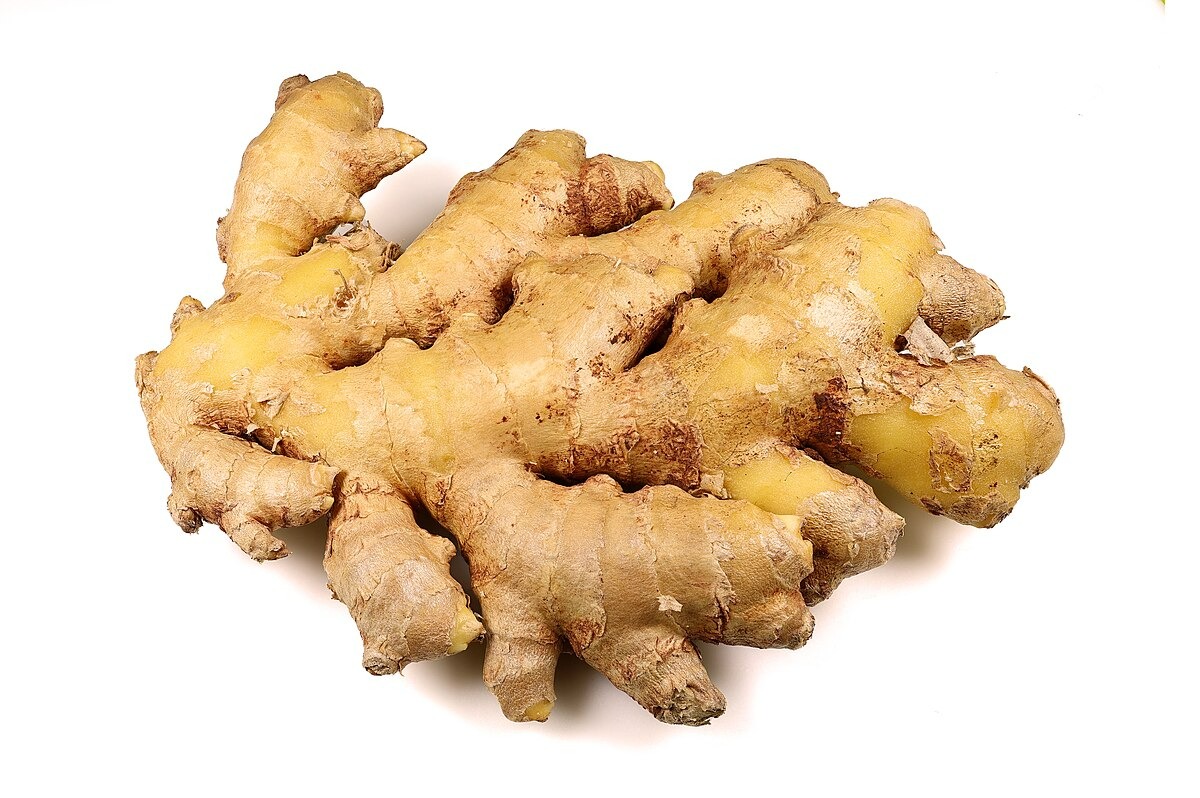
Cramps hit during your morning commute, and you reach for ibuprofen again. But clinical research reveals something your spice rack already knows: ginger delivers pharmaceutical-grade pain relief without the pharmaceutical side effects. Studies show 250mg of ginger four times daily matches NSAIDs for menstrual pain, yet this golden root won’t tax your liver or trigger gastric bleeding like conventional painkillers do.
The Science Behind Ancient Wisdom
Three bioactive compounds make ginger as effective as drugstore alternatives.
Gingerols, shogaols, and zingerone—ginger’s active compounds—target inflammation at its source by inhibiting the same pathways as NSAIDs. The difference? This culinary staple accomplishes pharmaceutical results without pharmaceutical risks.
Clinical trials demonstrate ginger’s anti-inflammatory and antispasmodic properties rival synthetic drugs, particularly for dysmenorrhea and chronic inflammation. Your grandmother’s ginger tea wasn’t folk medicine—it was biochemistry in disguise. Peer-reviewed studies confirm what traditional healers observed: ginger’s effectiveness extends beyond menstrual pain to headaches and arthritis.
From Spice Routes to Clinical Proof
Modern research validates what traditional healers knew for millennia.
Ayurvedic practitioners, Chinese herbalists, and Middle Eastern healers built entire medical traditions around ginger’s therapeutic properties. While wellness influencers tout “newly discovered” pain remedies, cultures across Asia and Europe have been prescribing ginger decoctions for centuries.
Today’s peer-reviewed studies simply confirm what traditional cooks integrated into daily meals: this rhizome functions as both flavor enhancer and medicine chest staple. The safety profile that made ginger a kitchen staple for thousands of years now positions it as a pharmaceutical alternative with growing scientific legitimacy.
Your Kitchen Pharmacy
Fresh ginger tea provides more reliable relief than most over-the-counter options.
Skip the supplement aisle. Fresh ginger root, steeped as tea or grated into smoothies, delivers therapeutic doses naturally. You can:
- Chew raw slices for quick relief
- Incorporate ginger into stir-fries and soups for sustained anti-inflammatory benefits
The clinical sweet spot—roughly one gram daily—equals a thumb-sized piece of fresh root or several cups of strong ginger tea. This dosage aligns with traditional preparation methods that cultures worldwide have refined over centuries of use.
The next time pain strikes, consider the golden root that’s been quietly matching modern painkillers for thousands of years. Your spice rack might just be the most sophisticated pharmacy you own.