

Your garlic lacks punch because you’re cutting it wrong. The difference between crushing and slicing isn’t just texture—it’s chemistry. When garlic cells rupture, they release allicin, the sulfur compound responsible for that sharp, distinctive bite. More cell damage equals more allicin, which means stronger flavor. Raw minced garlic contains up to 4.5 mg of allicin per gram, while whole cloves release virtually none. Understanding this simple science transforms your cooking from guesswork into precision flavor control.
When Technique Determines Flavor
Each cutting method serves specific culinary purposes based on allicin release levels.
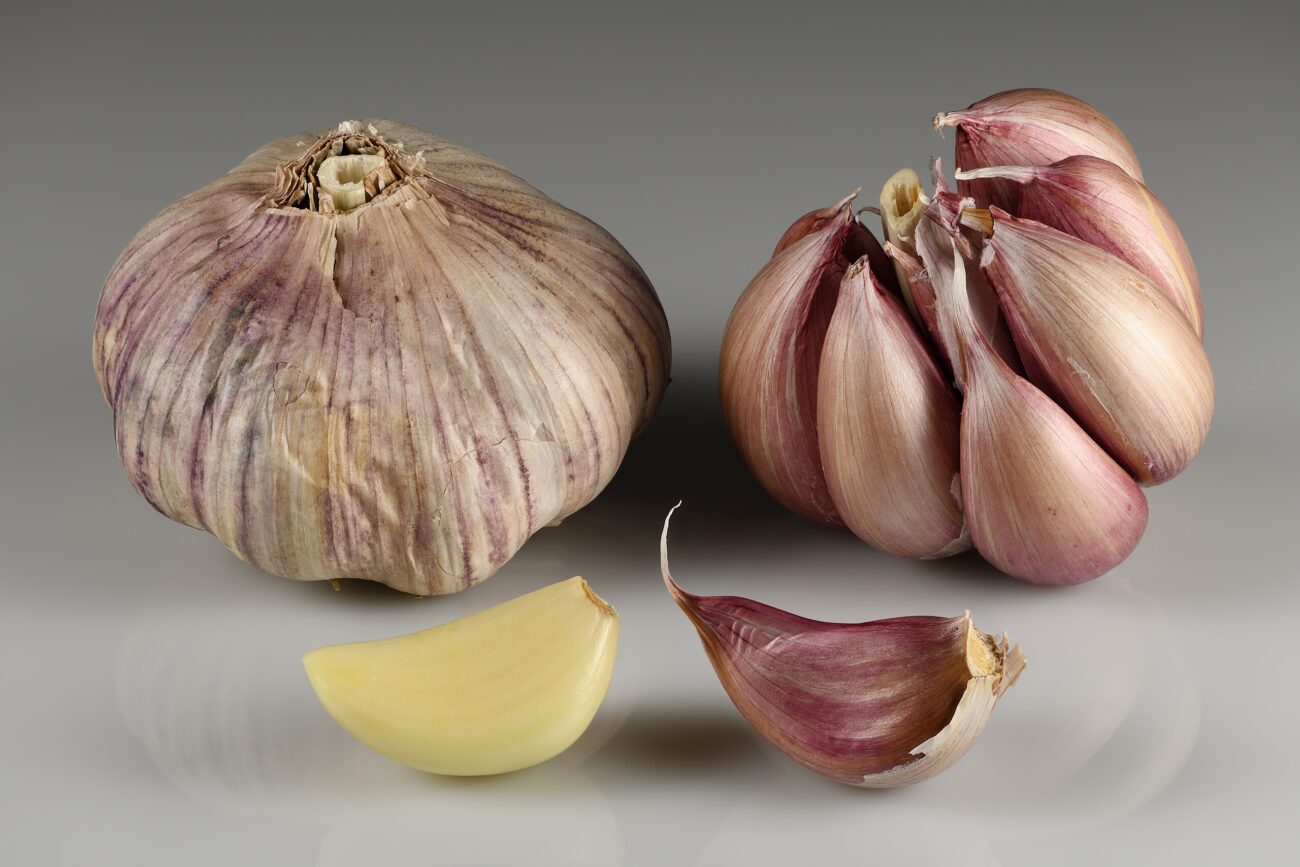
Crushing garlic delivers maximum pungency by completely smashing cell walls while keeping pieces chunky. Professional chefs use crushed garlic for marinades and braising liquids where bold flavor matters more than appearance. Place your knife flat against the clove and smash with your palm—the papery skin actually makes peeling easier afterward.
Slicing produces mild, sweet notes perfect for quick pasta sauces or stir-fries where garlic should enhance rather than dominate. Those thin slivers cook evenly without burning, unlike minced pieces that can turn bitter in hot oil. Professional culinary guidance indicates that sliced garlic still contains considerable sweetness, making it ideal for delicate applications.
Mincing creates the familiar sharp garlic flavor most home cooks expect—punchy enough to notice, balanced enough for everyday dishes. But here’s the crucial detail: minced garlic continues releasing allicin after cutting. Let it sit approximately ten minutes for maximum intensity, or add it immediately to your pan for milder results.
Professional Timing Secrets
Temperature and acid exposure dramatically alter garlic’s flavor development.
Acid kills allicin formation, which explains why your vinaigrettes taste bland despite heavy garlic. Professional chefs understand that garlic’s intensity relates directly to how much you break down cell walls and release allicin. The solution? Wait approximately ten seconds after crushing or mincing before adding garlic to tomatoes, citrus, or vinegar—this brief window allows allicin to form and stabilize.
Temperature timing proves equally critical. Heat also degrades allicin significantly. You need three times as much roasted garlic to match the allicin content of raw preparations.
Italian chefs traditionally remove the green germ inside each clove, making garlic easier to digest while preserving flavor complexity. Master these timing principles and your garlic will finally deliver the flavor intensity you’ve been chasing.