

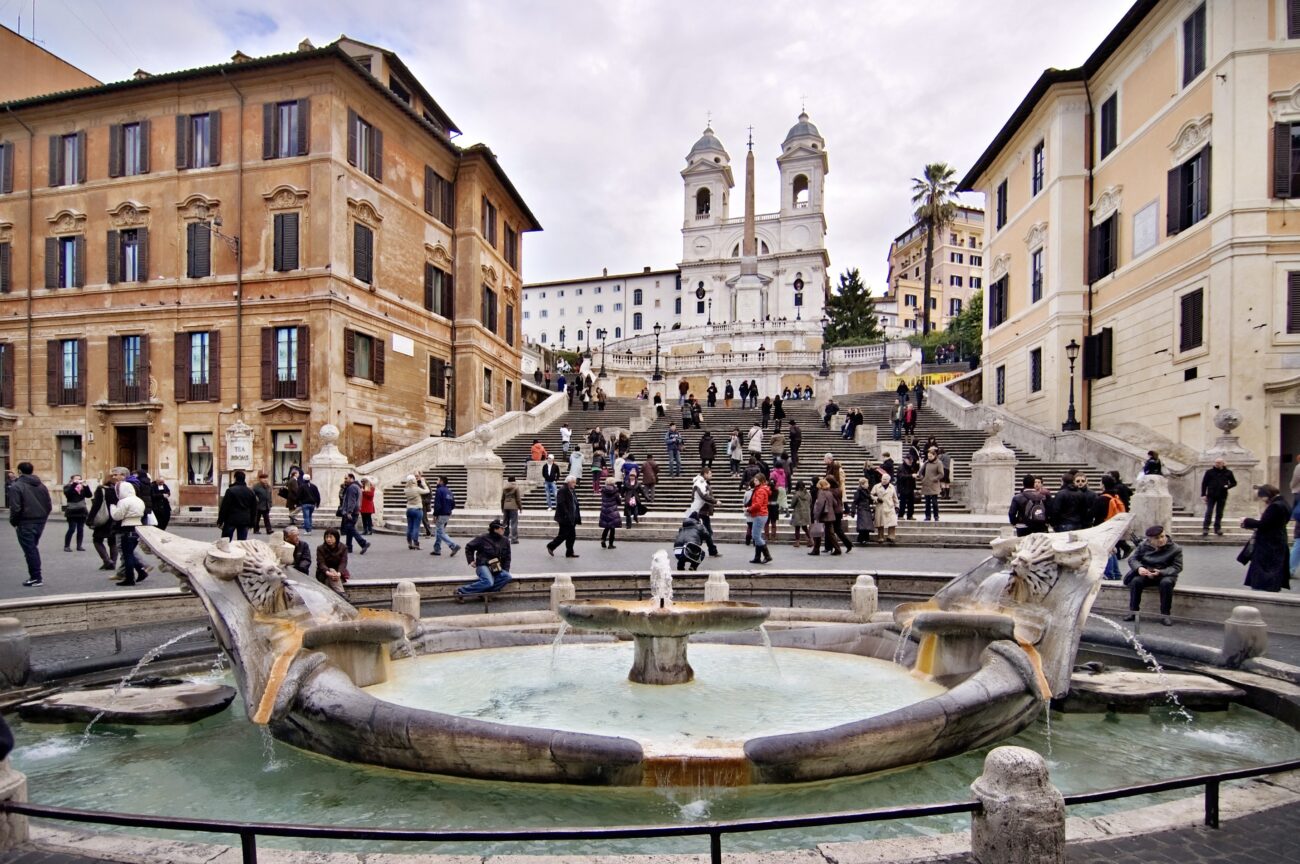
While influencers swarm the Trevi Fountain, authentic Rome awakens in quiet piazzas and family-run trattorias that locals never left.
Tourist herds stampeding through Rome’s greatest hits have turned the Eternal City into an eternal traffic jam. Yet beneath the selfie-stick chaos lies the Rome that Romans never abandoned—a city of dawn-lit monuments, neighborhood trattorias with handwritten menus, and ancient ruins that predate the Colosseum without the crushing crowds.
Dawn Patrol and Neighborhood Strategy
The magic window between 7-10 AM transforms Rome’s most famous sites into private experiences.
Your alarm becomes your secret weapon. The Pantheon at 7 AM feels like your personal discovery, bathed in golden light with maybe a dozen early risers instead of the usual thousand. Piazza Navona reveals its baroque splendor before the street artists and tour groups colonize every corner.
Strategic neighborhood selection matters more than monument chasing. Testaccio serves as Rome’s true foodie heart—a former slaughterhouse district where nonnas still hand-roll pasta and locals vastly outnumber tourists. Skip the Instagram-famous Trastevere main drag for its quieter backstreets, or explore Prati’s residential charm near the Vatican, where Romans actually live and eat.
- Teatro Marcello offers Colosseum grandeur minus the chaos—this ancient amphitheater predates its famous cousin
- Parco degli Acquedotti stretches ancient aqueduct arches across parkland—metro-accessible but crowd-free
- Basilica di San Clemente hides archaeological layers including a Mithraic temple beneath the church
- Vatican Gardens require advance booking but provide meditative Vatican access without St. Peter’s Square mayhem
The Trattoria Truth Test
Authentic Roman restaurants reveal themselves through Italian-only menus and zero food photography.
Real Roman trattorias operate by reverse Instagram logic—the fewer photos, the better the food. Establishments worth your euros display short, handwritten menus in Italian only, often scrawled on chalkboards announcing the day’s pasta special. Food photographs in windows or multilingual menus signal tourist-trap territory faster than a TikTok trend spreads.
Local food experts agree that the pasta is fatta in casa and the nonna is in charge—that’s when you know you’ve found authentic Roman cuisine. They recommend spots like Flavio al Velavevodetto in Testaccio, where cacio e pepe arrives perfectly executed in a space carved into ancient Monte Testaccio.
Timing matters as much as location. Romans take coffee standing at the bar, order pasta as a separate primo course, and linger over meals without rushing between photo opportunities. Seasonal ingredients drive menus—carciofi alla giudia appears when artichokes peak, abbacchio when spring lamb arrives fresh.
Markets reveal local rhythms better than monuments. Sunday’s Porta Portese flea market pulses with Roman energy, while weekday visits to Testaccio Market connect you with vendors who’ve served the same families for generations.
Rome rewards those who slow their pace and trust their appetite over your camera roll. The city’s essence lives in morning espresso rituals and evening trattoria conversations—experiences no influencer can manufacture.