

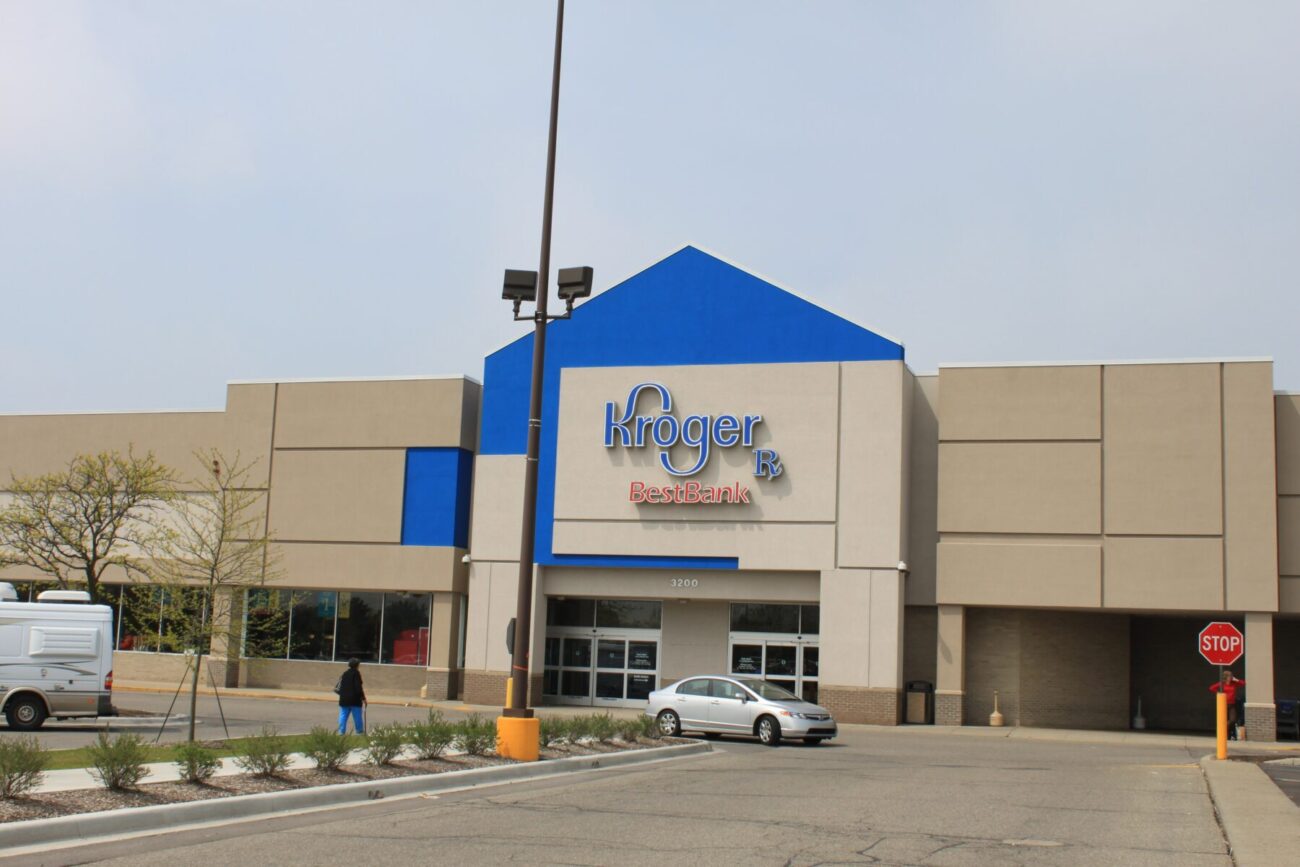
Court documents made public last week reveal the Department of Justice is actively investigating Kroger for potential False Claims Act violations related to its Medicare opioid dispensing. Federal prosecutors allege the grocery chain submitted claims for opioids and other medications that weren’t “reasonable, necessary, or eligible for coverage” under federal healthcare programs.
This isn’t another settlement negotiation—it’s an active federal fraud investigation with prosecutors demanding access to patient records Kroger has been withholding. Unlike previous civil settlements, this probe carries the potential for criminal referrals and treble damages under federal fraud statutes.
The Battle Over Patient Data
Federal attorneys are demanding unprecedented access to pharmacy records in their Medicare fraud investigation.
DOJ attorneys are asking courts to compel Kroger to turn over unredacted patient names and health information, arguing the company has no legal basis for withholding such records. Kroger claims internal policies prevent sharing patient data without court orders, creating a standoff that federal officials say is hampering their investigation.
The dispute highlights how seriously prosecutors are pursuing potential Medicare fraud charges against one of America’s largest pharmacy operators. This data access fight represents a critical juncture—if Kroger prevails, it could limit federal investigators’ ability to pursue similar cases against other pharmacy chains.
Pattern of Costly Legal Troubles
The federal investigation follows billions in previous opioid-related settlements across multiple states.
This federal probe builds on a pattern of costly legal troubles for Kroger’s opioid oversight. The company has already committed to a $1.37 billion national settlement and faces an additional $122 million California settlement for allegedly failing to monitor suspicious prescription patterns.
According to California Attorney General Rob Bonta, “we are committed to holding entities, like Kroger, accountable for their role in fueling the opioid epidemic.” These settlements required enhanced monitoring systems and reporting protocols across Kroger’s pharmacy network, yet the federal investigation suggests deeper systemic issues may persist.
What’s at Stake
The outcome could reshape federal oversight of major pharmacy operators nationwide.
The investigation signals escalating federal scrutiny of pharmacy chains beyond traditional civil settlements. If the DOJ proves False Claims Act violations, Kroger could face penalties far exceeding previous agreements—including potential criminal prosecutions and treble damages.
For millions of customers who fill prescriptions at Kroger pharmacies, the outcome will determine whether stronger federal oversight reshapes how major retailers handle controlled substances. The company’s cooperation with patient data requests may ultimately decide whether this becomes a landmark case for pharmacy accountability.