

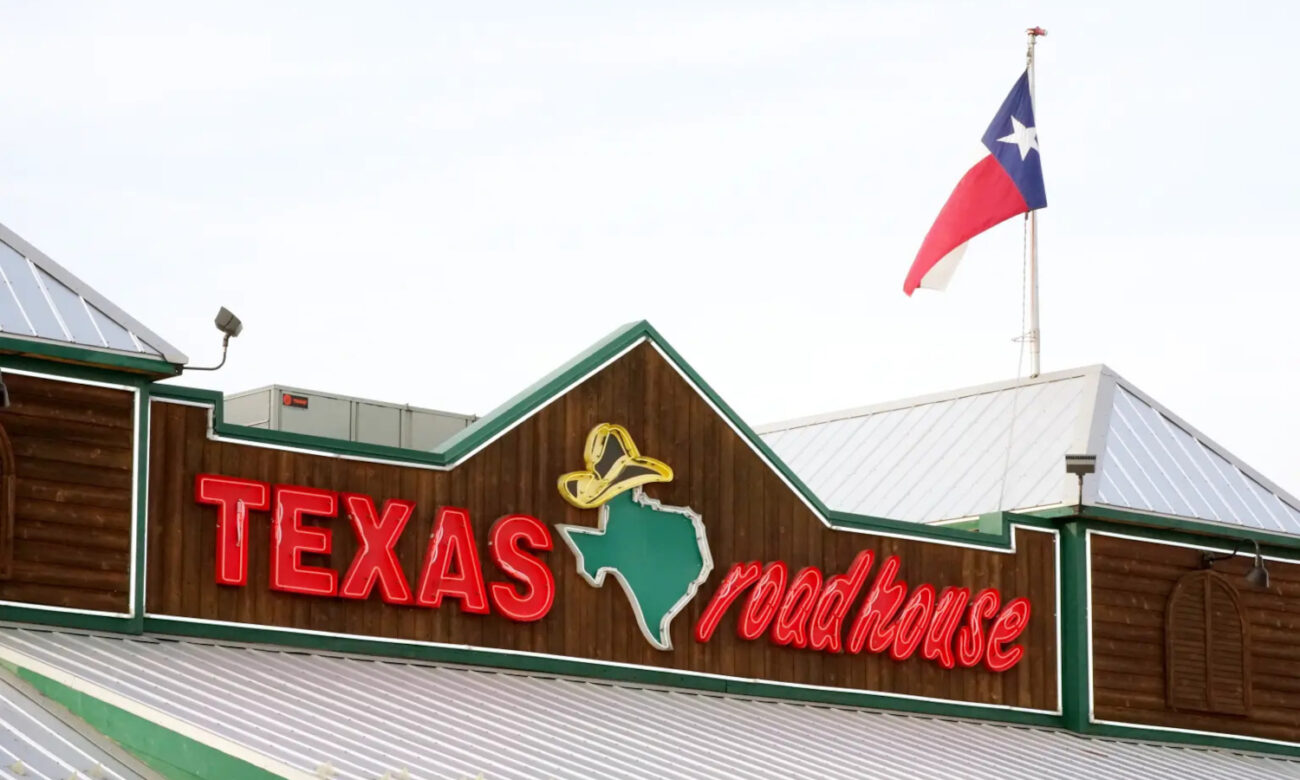
An approximately $10.50 price gap might not sound significant — until it reportedly keeps showing up on the wrong plate. Kenneth Card, a weekly regular at the Forsyth, Illinois Texas Roadhouse with prior restaurant and hotel kitchen experience, says he was served a $19.49 sirloin instead of his ordered $29.99 filet mignon on three separate occasions. Texas Roadhouse confirms one verified mix-up and says it could not verify the other two. That gap between a customer’s account and a chain’s confirmed record is precisely why consumer-trust disputes spread quickly — and why both sides of the story deserve careful scrutiny when it comes to cuts of steak.
What the Customer Claims
Card’s allegation rests on kitchen-informed confidence, a year of weekly visits, and three incidents the chain has only partially acknowledged.
Card reportedly visited the Forsyth location roughly once a week for over a year before the alleged substitutions began. His background working in restaurant and hotel kitchens gave him a specific frame of reference: filet mignon is notably more tender and softer than sirloin’s chewier texture. He says he recognized the difference immediately each time. On the first reported occasion, staff checked his order and replaced the steak. He says he stayed quiet during the second incident but confronted management after a third alleged substitution — then stopped visiting the location entirely.
Key facts in this dispute:
- Card alleges three separate substitutions; Texas Roadhouse has confirmed only one
- The price difference: $29.99 (filet mignon) versus $19.49 (sirloin) — approximately $10.50 per visit
- Card’s ability to identify the wrong cut is grounded in prior restaurant and hotel kitchen experience
- His TikTok warning reportedly drew more than 30,000 views; commenters claiming similar experiences are anecdotal and unverified
Texas Roadhouse’s Response
The company confirmed a single corrected order error and disputed that the incident occurred three times.
Texas Roadhouse confirmed one order mix-up occurred and said management “quickly made it right” by providing Card with the filet he ordered. The company said it could not verify that the substitution happened on three separate occasions.
That’s Card’s verdict, posted publicly on TikTok and reportedly watched more than 30,000 times. Commenters responded with accounts of their own, though those claims are anecdotal and do not independently confirm a chain-wide or location-wide pattern. Intentional substitution has not been established; social-media speculation is not evidence of a deliberate practice. What the episode does illustrate is how sharply public perception shifts when a visible price premium is involved — and how difficult it is to fully repair that perception once a complaint goes viral, as explored in Real-Life Western steakhouse culture.
How to Spot the Difference at the Table
Knowing what to look for before the first cut can save a frustrating conversation later.
When a $30 steak arrives, check it before eating. Filet mignon is generally more tender and softer than sirloin, which tends toward a firmer, chewier bite. If something seems off, ask your server to verify the cut while the meal can still be corrected. Keep the receipt. Texas Roadhouse itself has advised customers to alert their server at the time so any issue can be addressed on the spot — straightforward guidance that applies at any steakhouse, much like the way retailers and fuel stations routinely overcharge without customers noticing.
Card’s allegation of three substitutions remains just that — an allegation. Texas Roadhouse has confirmed one error and says it corrected that mistake. What the dispute leaves behind, regardless of how many incidents actually occurred, is a reminder that order accuracy matters most when a diner is paying a premium for a specific cut — and that one confirmed mistake is already a meaningful breach of that expectation.