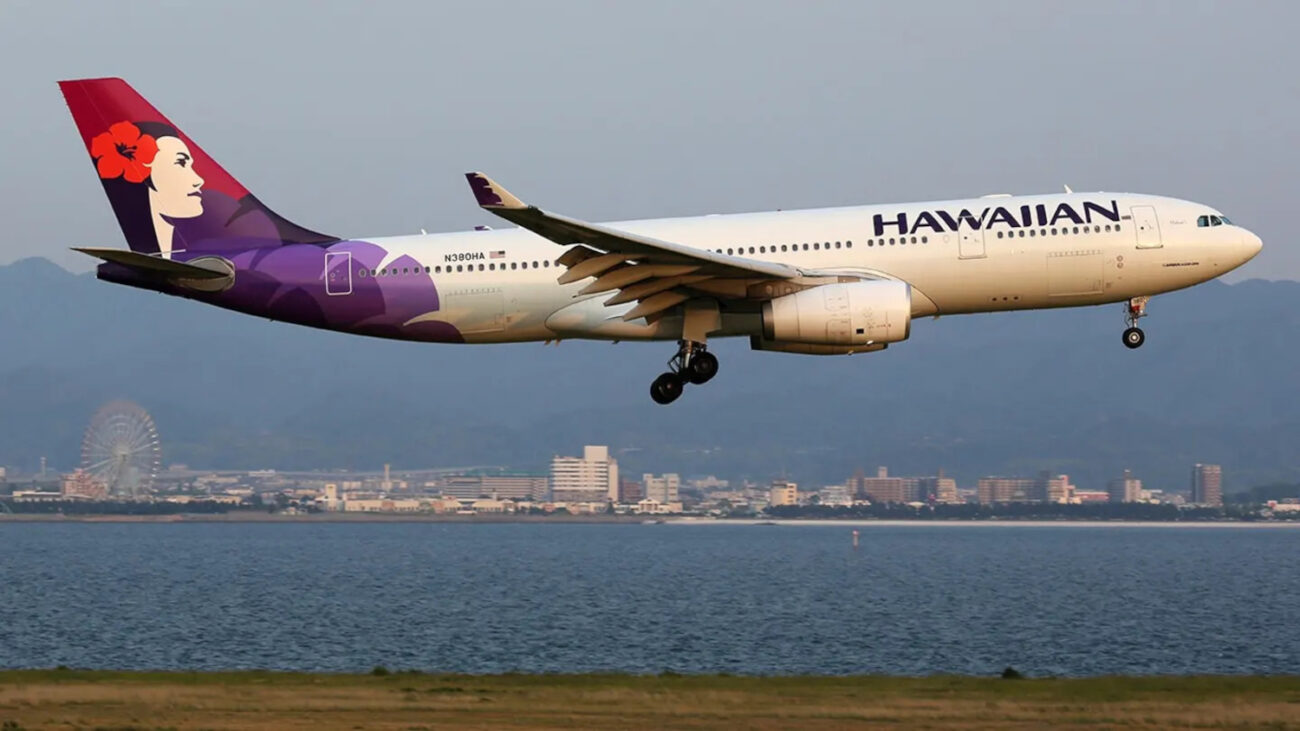


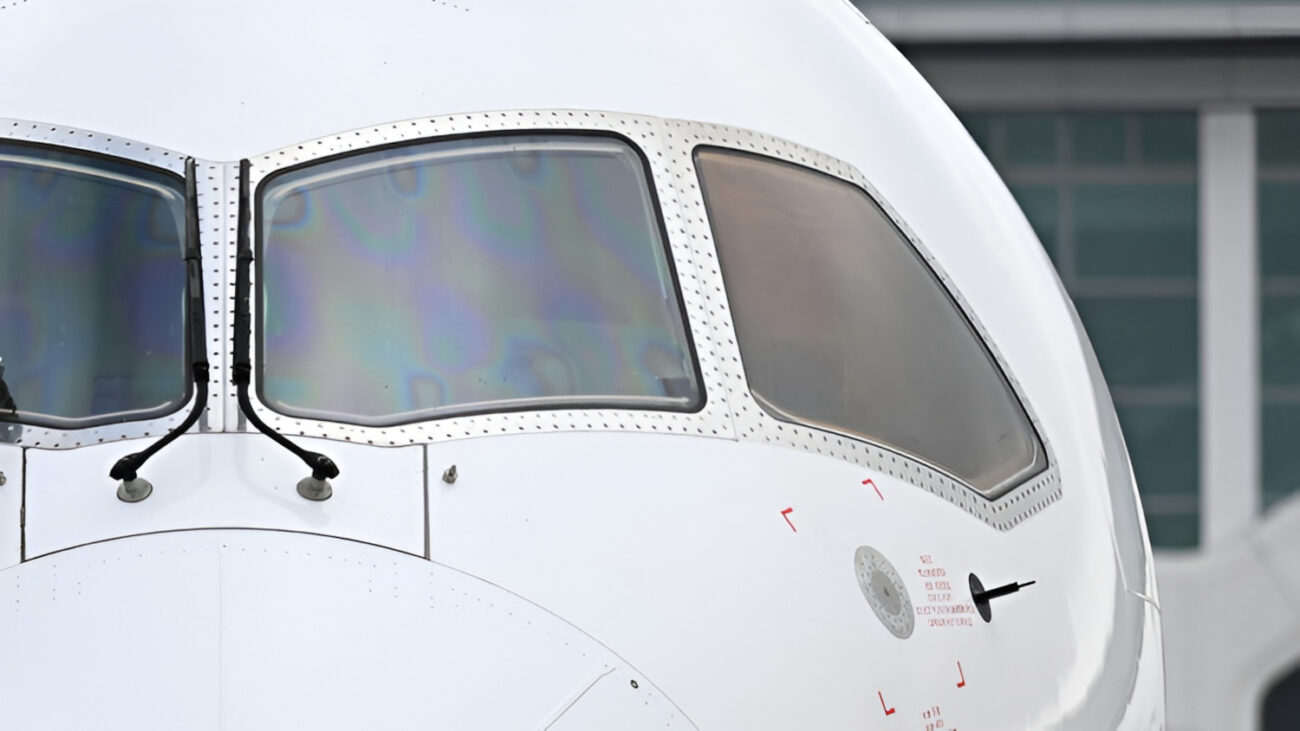
According to air traffic control audio, pieces of glass were falling inside the cockpit of United Express Flight 6309 shortly after it departed Houston’s George Bush Intercontinental Airport on Sept. 27, 2026. The Mesa Airlines-operated Embraer E175, bound for El Paso with passengers aboard, turned around and returned to Houston. No injuries were reported among passengers or crew. The aircraft landed safely and taxied to the gate under its own power. The FAA has said it will investigate the incident — and the cause of the windshield failure remains undetermined.
What Actually Happened Up There
Glass in the cockpit, cabin pressure intact, and the plane back at the gate in under an hour.
The flight departed at approximately 12:20 p.m. Shortly after takeoff, the first officer’s-side cockpit windshield shattered, with pieces reportedly entering the cockpit — wording captured in air traffic control audio, as reported by ABC13. Commercial aircraft windshields are built in multiple layers, a design intended to provide redundancy so that damage to a single layer does not compromise the flight. The fact that glass reportedly fell inside the cockpit, suggests more than one layer may have failed, according to ABC News analysis of the ATC audio. Even so, the cabin remained pressurized throughout — meaning the system that maintains breathable air at altitude continued functioning. Mesa Airlines characterized the return to Houston as a standard precautionary measure, consistent with procedure following a windshield failure of this kind. The aircraft landed around 1 p.m. and taxied to the gate under its own power.
Key details at a glance:
- Flight: United Express 6309, operated by Mesa Airlines, Houston to El Paso
- Damage: First officer’s cockpit windshield shattered; glass reportedly fell inside the cockpit, per ATC audio
- Cabin pressurization: No depressurization reported throughout the incident
- Injuries: None reported among passengers or crew
- Resolution: Passengers transferred to a replacement aircraft; arrived El Paso at approximately 3:14 p.m., per flight-tracking data cited by CNN
Standard Procedure, Unsettled Questions
The crew returned safely to Houston — what caused the windshield to fail remains an open question for investigators.
For passengers, the afternoon became a significant delay — inconvenient and no doubt unsettling, but ultimately resolved. The replacement aircraft reached El Paso. The crew followed the reported return procedure, which is precisely what training exists to produce.
What no one can answer yet is why the windshield failed. The cause of the windshield failure remains undetermined, according to available reporting. The FAA confirmed it will investigate. For broader context, a suspected weather-balloon strike damaged a United Airlines 737 MAX windshield at 36,000 feet in October 2025 — a separate incident, with no established connection to the Houston event, but one that underscores the range of hazards commercial windshields can face at altitude. Details on the Mesa Airlines incident remain unclear pending the FAA’s investigation.
The aircraft returned to Houston on its own power. Passengers continued to El Paso on a replacement flight. The investigation remains open — and the question of what shattered that windshield is still waiting for an answer.