

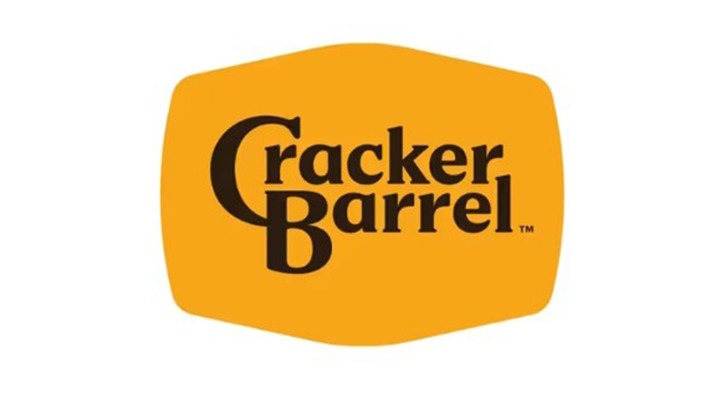
Cracker Barrel’s first logo change in 56 years triggered a massive $100 million market value loss in a single day. The restaurant chain’s stock crashed 7.15% to $54.80 on August 21, 2025, after unveiling a minimalist rebrand that strips away the folksy imagery that built its roadside empire.
Trading volume exploded to $250 million as investors and customers reacted to what many see as corporate abandonment of American nostalgia. The five-day losing streak totaled 16.47%—the worst performance since February 2025.
Uncle Herschel Gets the Boot
The new logo abandons the overall-clad man leaning on a barrel for corporate minimalism.
Gone is “Uncle Herschel,” the overall-wearing figure who embodied Cracker Barrel’s country store mythology since 1969. The replacement? A sanitized wordmark in gold and brown that corporate claims draws inspiration from “farm-fresh eggs and biscuits.”
This isn’t just aesthetic tinkering. The logo swap anchors a $700 million overhaul targeting “decluttered” dining rooms and updated menus—a strategic pivot from CEO Julie Felss Masino, who admitted last year that “the chain is not as relevant as we once were.”
Wall Street Votes No Confidence
Razor-thin profit margins make the expensive gamble even riskier.
The market’s verdict was swift and brutal. With profit margins already hovering around 1.5%—well below industry standards—Cracker Barrel’s stock touched $50.27 before recovering slightly. That’s a far cry from the $147.91 peak in April 2021.
Critics immediately drew parallels to Bud Light and New Coke, corporate missteps that became cautionary tales about abandoning core audiences. Even competitor Steak ‘n Shake publicly condemned the move, recognizing an opportunity to court traditionalist diners.
Heritage Brands Face Modernization Trap
Cracker Barrel’s stumble highlights the cultural landmines facing Americana-themed businesses.
The backlash reveals tensions about authentic American identity in corporate boardrooms. Marketing professionals and conservative commentators criticized the decision, arguing that Cracker Barrel misread its customer base’s emotional investment in nostalgic branding.
Company executives insist Uncle Herschel remains “in stores and menus” while maintaining that “values haven’t changed, and the heart and soul of Cracker Barrel haven’t changed.” But stockholders and loyal customers aren’t buying that distinction.
The controversy exposes the high-stakes gamble facing heritage brands: modernize and risk alienating your base, or stay traditional and watch relevance fade. For now, the market has delivered its verdict—and it sounds like a cash register slamming shut.