

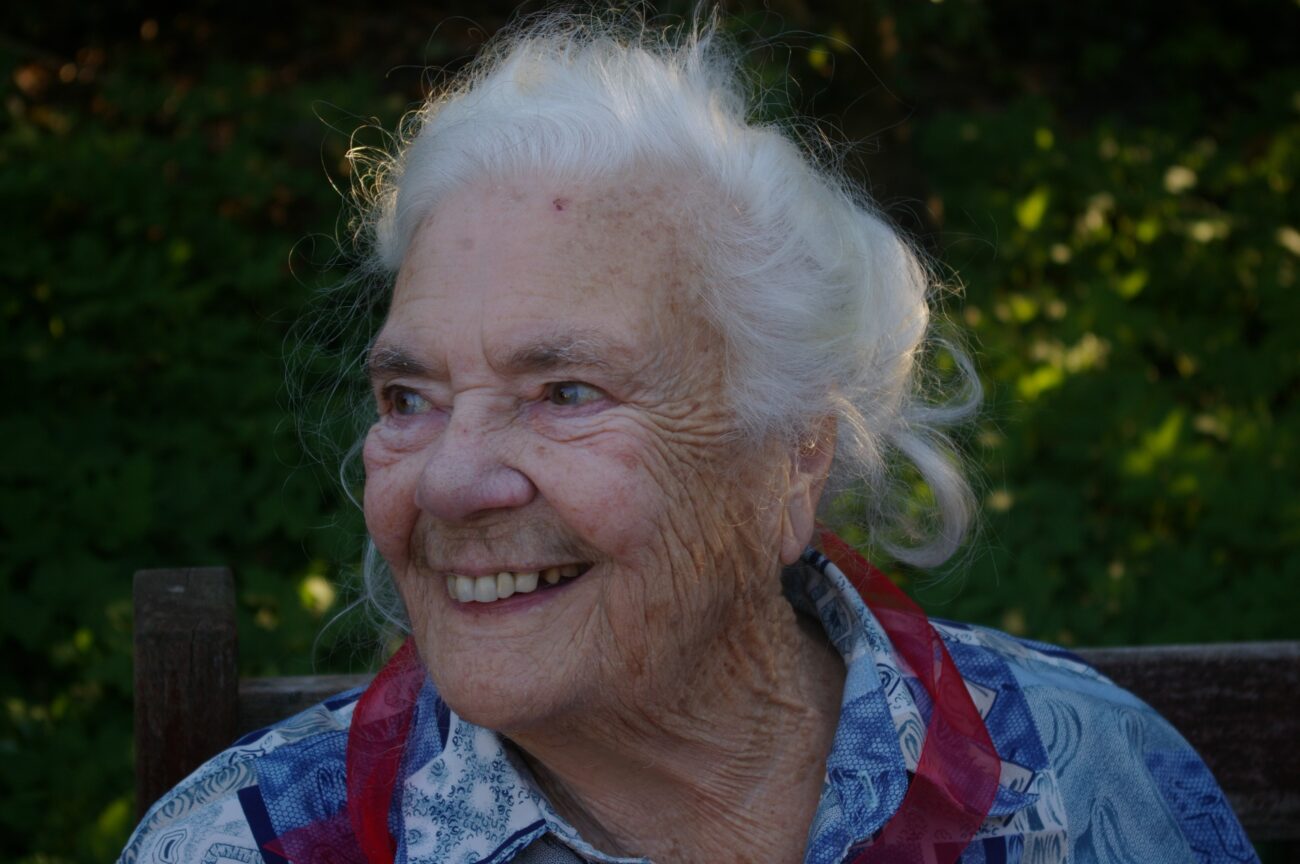
Calorie-counting apps crash more often than your motivation to log meals, yet your great-grandmother maintained a healthy weight without tracking a single macro. The so-called “Grandma Diet“ wasn’t a diet at all—it was life before food became complicated.
Women in the 1950s cooked nearly every meal from scratch using basic ingredients: meat, vegetables, grains, and dairy. They served food at set times, ate together as families, and closed the kitchen after dinner. No constant grazing, no guilt-ridden relationship with food, no scrolling through conflicting nutrition advice on TikTok.
Real Food, Real Results
Home cooking and structured eating naturally regulate portions and prevent overconsumption.
The numbers tell a stark story. Obesity rates in the 1950s were significantly lower despite—or perhaps because of—a diet rich in butter, whole milk, and eggs.
Ultra-processed foods were scarce, so even “junk food” required effort to make from scratch. That effort mattered. Making cookies meant measuring, mixing, baking, and cleaning up afterward—a natural deterrent to overconsumption.
Meanwhile, daily life demanded substantial physical movement: manual chores, walking for errands, and cooking that required actual work. This lifestyle created an energy balance that modern sedentary habits struggle to match.
The Family Table Advantage
Eating together without distractions provides mental health benefits that extend far beyond nutrition.
Family meals deliver benefits that no supplement can replicate. Eating together at the table—without screens or distractions—correlated with better mental health outcomes, stronger family bonds, and higher satisfaction with food.
Children from families with regular dinner routines showed lower rates of mental health issues and better self-esteem. The ritual of shared meals transformed eating from fuel consumption into connection.
Modern research consistently supports these principles: home cooking, reduced processed food intake, and mindful eating align with lower risks of chronic diseases and healthier weights.
What Actually Matters Now
Simple 1950s principles prove more effective than today’s complex tracking systems and restriction cycles.
Your great-grandmother’s approach wasn’t perfect—vegetables were often overcooked, and dietary variety was limited. But she understood something the wellness industry has forgotten: eating well doesn’t require perfection, just consistency.
Structured meals, real ingredients, and cooking at home create sustainable habits that no algorithm can improve. The irony cuts deep: we’ve engineered complexity into the most basic human need, then wonder why simple solutions feel revolutionary.