


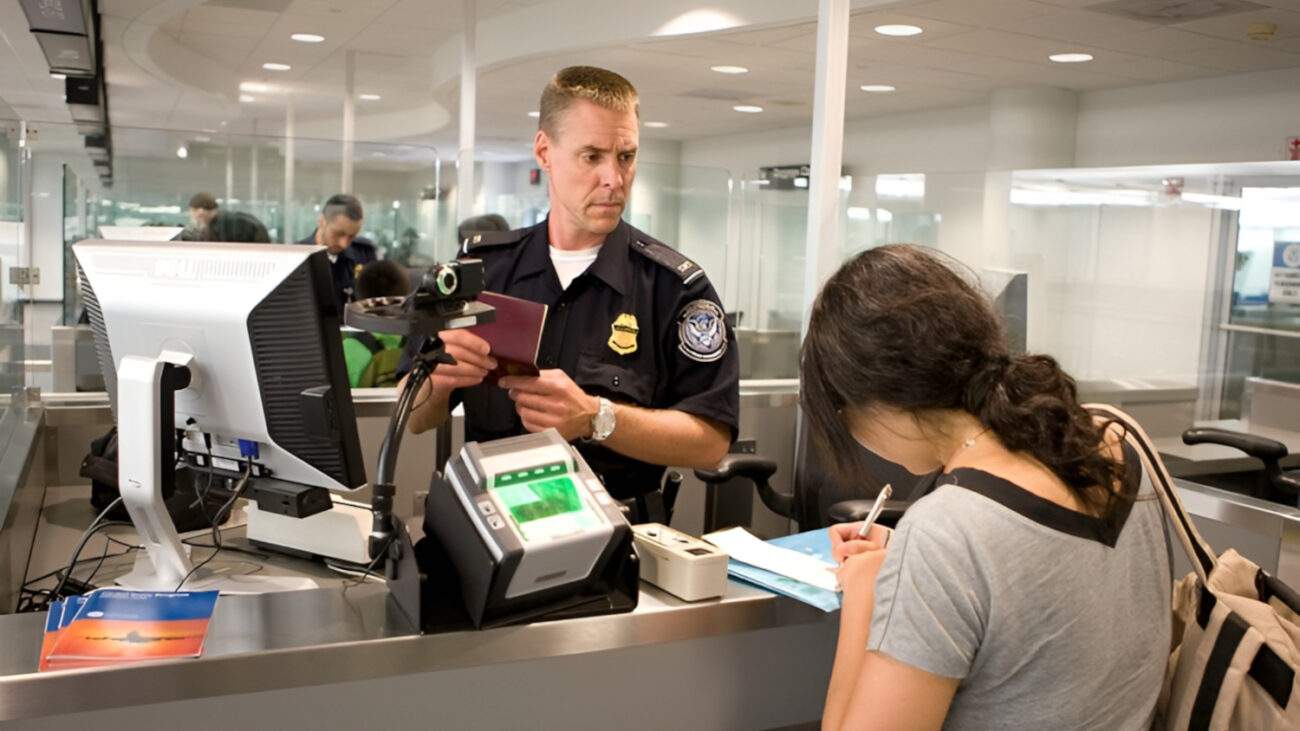
A traveler lands at JFK after a nine-hour flight. ESTA approved, passport valid, hotel booked. A Customs and Border Protection officer directs them to a secondary inspection room, and suddenly the connection to Chicago looks very optimistic. A visa or Electronic System for Travel Authorization approval is permission to show up and ask — not a guarantee of admission. A CBP officer holds final determination of admissibility at every U.S. airport security port of entry. Understanding that distinction before you fly is the only preparation that actually matters.
What Actually Happens at the Border
The inspection process moves quickly for most travelers, but the outcomes range from immediate admission to refusal and return.
Most travelers walk through in minutes. Some don’t. When you present your documents, a CBP officer reviews them, asks questions, and decides: admitted, referred to secondary inspection for further review, or refused. Refusal typically means the carrier returns you to your last point of departure, though the specific destination depends on applicable rules and circumstances. Detention is possible when authorities need to investigate suspected fraud or serious security concerns. Knowing this process exists means you won’t be blindsided.
The most common reasons entry gets refused:
- Expired or missing travel documents
- Prior overstays, deportations, or unresolved immigration violations
- Criminal or security-related inadmissibility grounds
- Intentional misrepresentation or fraud during inspection
- Travel history or dual nationality that disqualifies Visa Waiver Program eligibility
Three Types of Travelers, Three Different Rules
U.S. citizens, Visa Waiver Program travelers, and lawful permanent residents each face a distinct set of documentation and admissibility requirements.
U.S. citizens have a right to enter — but CBP can still inspect and delay them. Air travel generally requires a U.S. passport. Land and sea crossings accept other Western Hemisphere Travel Initiative-approved documents, including passport cards and enhanced driver’s licenses.
Visa Waiver Program travelers — citizens of designated VWP countries — can seek admission for up to 90 days for tourism or business without a visa. Core requirements include an electronic passport, approved ESTA, and full admissibility. Certain travel histories or dual nationalities involving specific countries identified under U.S. law can make a person ineligible for VWP travel unless a statutory exception applies; those travelers generally need to apply for a visa instead. Check CBP and State Department guidance before departure — not at the gate.
Per CBP, ESTA is not a visa. It determines whether a traveler may board under the Visa Waiver Program — not whether that traveler will be admitted at the port of entry.
Lawful permanent residents reenter with a valid green card. Absences exceeding six months may raise questions about maintenance of residence. A reentry permit helps document the intended temporary nature of travel but does not guarantee admission.
Before You Fly: The Short List
A handful of practical steps before departure can prevent the kind of avoidable complications that derail travel plans at the border.
- Confirm that your passport is valid, undamaged, and in acceptable condition.
- Verify that your stated purpose of travel matches your visa or VWP category — the VWP permits qualifying business visitor activities such as meetings and conferences, but employment or other unauthorized work is not permitted, so confirm that your activities fall within the allowed scope.
- Carry evidence of onward travel, accommodation, and sufficient funds where relevant.
- Answer CBP questions truthfully and concisely — this is not the moment for elaboration.
One current example of how quickly rules can change: CBP guidance requires air travelers departing for the U.S. to attest that they have not been in the Democratic Republic of the Congo within the preceding 21 days. Public-health requirements can shift rapidly. Verify official CBP guidance immediately before every trip.
The One Variable You Control
Preparation is the only element of the entry process entirely within a traveler’s hands.
Documents in order. History understood. Questions answered honestly. The admissibility determination belongs to the officer, made within the framework of U.S. law. If your situation involves prior removal, an asylum claim, or complex immigration history, contact qualified immigration counsel or a reputable nonprofit before you travel — not after you land. This article provides general information only and is not individualized legal advice.