

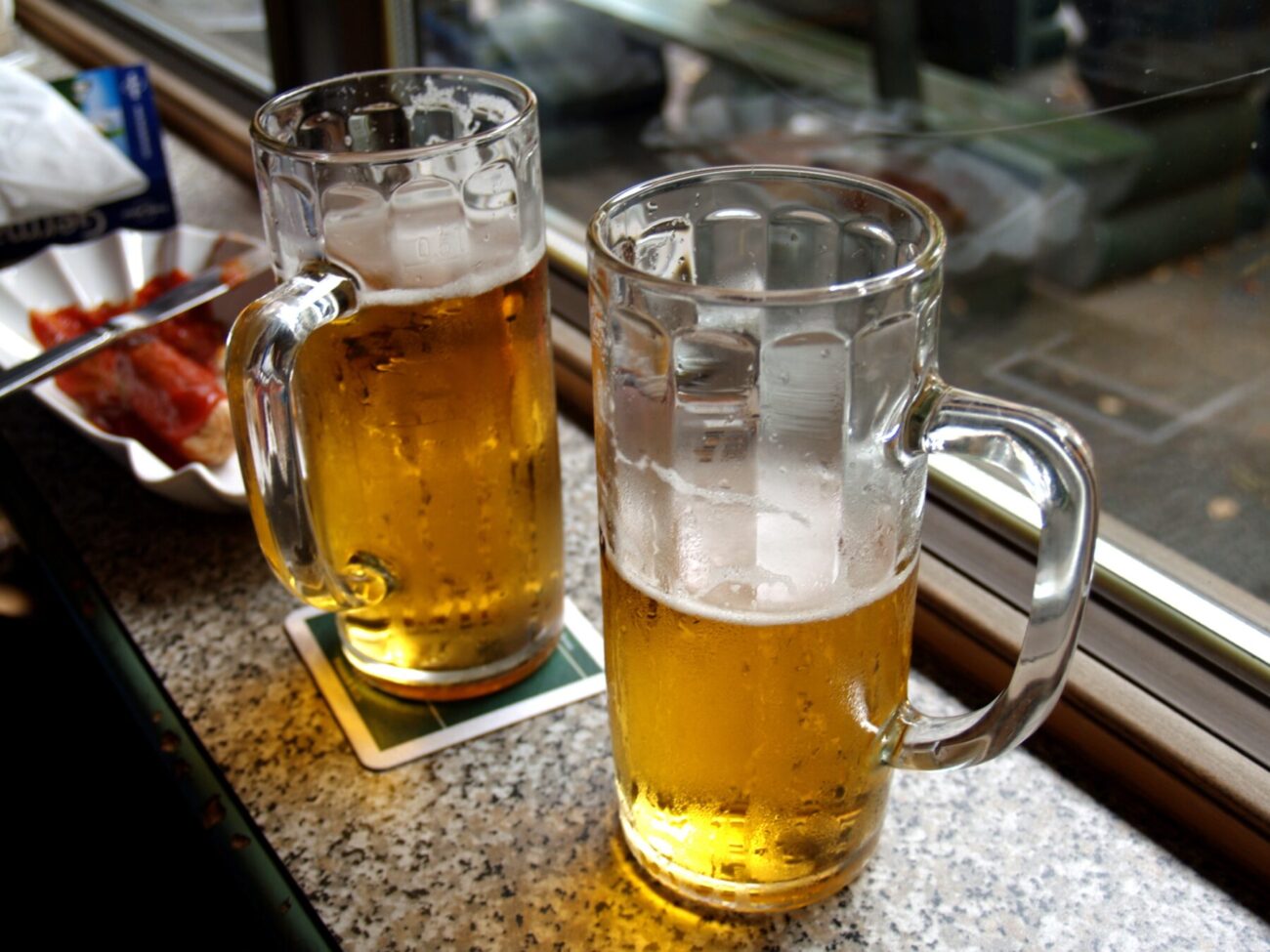
According to Visual Capitalist analysis, Miller dominates 30 U.S. states while the once-mighty Budweiser claims just two. This isn’t just market shift—it’s generational warfare played out in coolers and corner stores across America. Five legacy beer brands maintain fierce Boomer loyalty while younger drinkers increasingly treat them like relics from a blander era.
Regional Strongholds Tell the Story
Geography reveals where old-school beer loyalty still runs deep.
The data exposes stark regional divides. Miller Lite and High Life (“The Champagne of Beers”) command the Midwest and West with almost imperial authority. Coors maintains its Rocky Mountain heritage grip across the Southwest, while Budweiser’s “King of Beers” crown has slipped dramatically from its Missouri throne.
Pabst Blue Ribbon occupies stranger territory—experiencing both Boomer nostalgia and ironic Millennial adoption before settling back into old-school Americana. Blue Moon carved out its niche as the gateway wheat beer, complete with signature orange slice ritual, but rarely graduates drinkers beyond basic exploration.
Key factors driving the divide:
- Boomer loyalty stems from decades when TV marketing ruled and beer choices were limited
- Millennials prioritize authenticity, local sourcing, and flavor complexity over national branding
- The craft beer explosion created exploration culture that legacy brands struggle to match
- Health-conscious “mindful drinking” pushes younger consumers toward moderation or alternatives
Why the Split Runs So Deep
Cultural values, not just taste preferences, separate the generations.
These brands represent fundamentally different approaches to drinking culture. Boomers value continuity, community, and accessible celebration—qualities these beers delivered when options were fewer and simpler. The familiar ritual of cracking open a Miller or Coors connects to decades of shared experiences.
For Boomers, these beers represent continuity and community, but Millennials see them as generic products lacking the distinctiveness they crave in everything from coffee to craft spirits. This generational divide reflects broader consumer trends toward authenticity and local sourcing, much like Forgotten Foods that once bridged generational gaps.
Millennials came of age during the craft beer revolution, developing palates that crave innovation over familiarity. They seek stories behind their beverages—local brewers, unique ingredients, sustainable practices. Mass-market lagers, despite attempted craft collaborations and retro limited editions, rarely satisfy these deeper authenticity demands.
The generational divide isn’t disappearing. While these legacy brands adapt through light variants and nostalgia marketing, their cultural relevance continues shrinking among younger demographics, even as their parents and grandparents remain steadfast in decades-old loyalties.