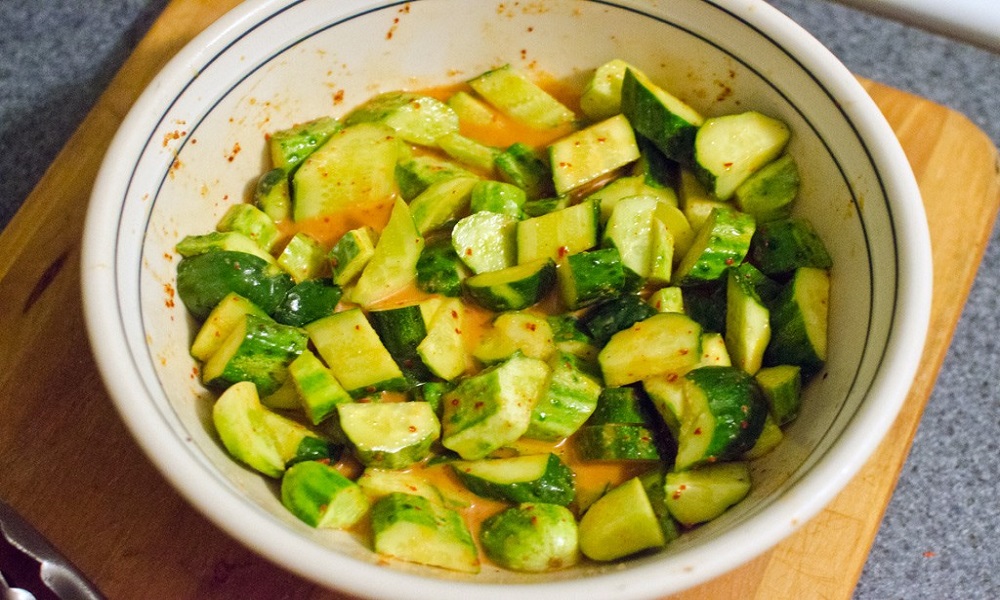


Reaching for dark chocolate at midnight isn’t just about sugar—it might be your soul demanding boundaries. That sudden craving for pickles? Your creative spirit is calling for excitement.
According to Ayurveda’s 5,000-year-old framework, your taste buds function as emotional GPS, guiding you toward exactly what your energy needs.
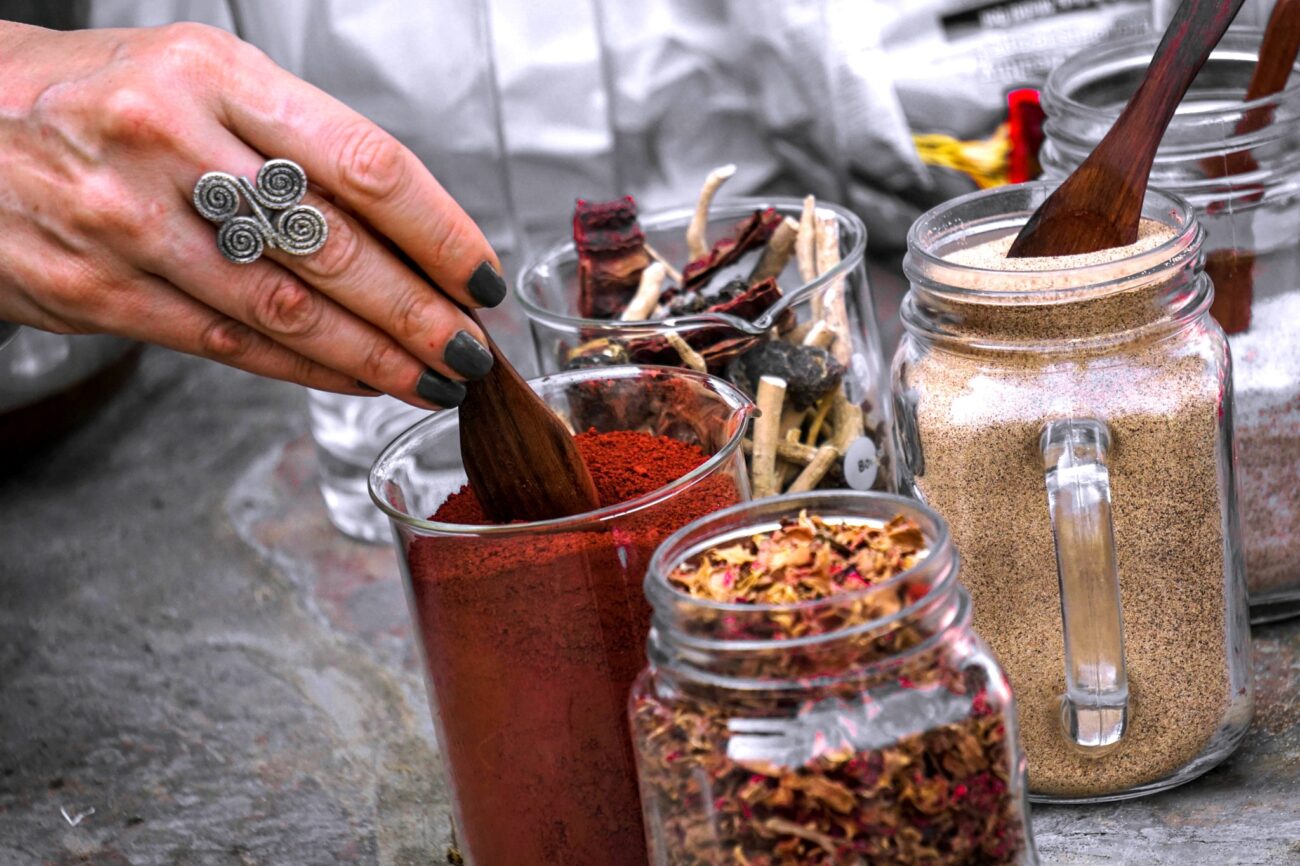
This ancient Indian wellness system identifies six fundamental tastes, but four hold special significance as “feminine” flavors: sweet, sour, salty, and bitter. These rasas don’t just satisfy hunger—they’re considered energetic medicine, each one addressing specific emotional and spiritual needs that modern life often leaves unfulfilled.
Your Plate as Energy Prescription
Ancient texts viewed taste as vibrational healing, not mere nutrition.
Traditional Ayurvedic philosophy treats food cravings as intelligent signals rather than weaknesses to overcome. The Charaka Samhita and other foundational texts describe how each taste correlates with elemental forces and emotional states, creating a sophisticated system where your dinner plate becomes a prescription for inner balance.
The four “feminine” flavors each serve distinct energetic purposes:
- Sweet embodies nurturing and comfort—think rice, dates, and milk. Craving sweetness often signals a need for self-compassion or emotional grounding during stress.
- Sour channels creativity and passion through foods like lemon, pickles, and yogurt. This craving typically emerges when you need mental stimulation or emotional honesty.
- Salty represents confidence and sensuality via sea salt, miso, and olives. Salt cravings may indicate a desire for self-expression or affirmation.
- Bitter embodies wisdom and boundaries—found in kale, dark chocolate, and leafy greens. This taste supports emotional “detox” and clarity.
From Temple Kitchens to Trending Menus
Wellness restaurants now design emotion-forward plates around these ancient principles.
Modern chefs and nutritionists increasingly incorporate these concepts into curated dining experiences. Restaurants like Ananda Spa in India and various wellness retreats design menus specifically around emotional energy balance, describing dishes with their intended energetic effects rather than just ingredients.
The approach resonates particularly strongly with diners seeking a deeper connection to their food choices—turning every meal into an opportunity for self-awareness rather than mere sustenance. Contemporary wellness culture has embraced the “what you crave is what you need” philosophy, with social media showcasing bowls designed around specific taste-energy combinations.
Your next craving might be less about hunger and more about your inner wisdom requesting exactly what your spirit needs to thrive.