

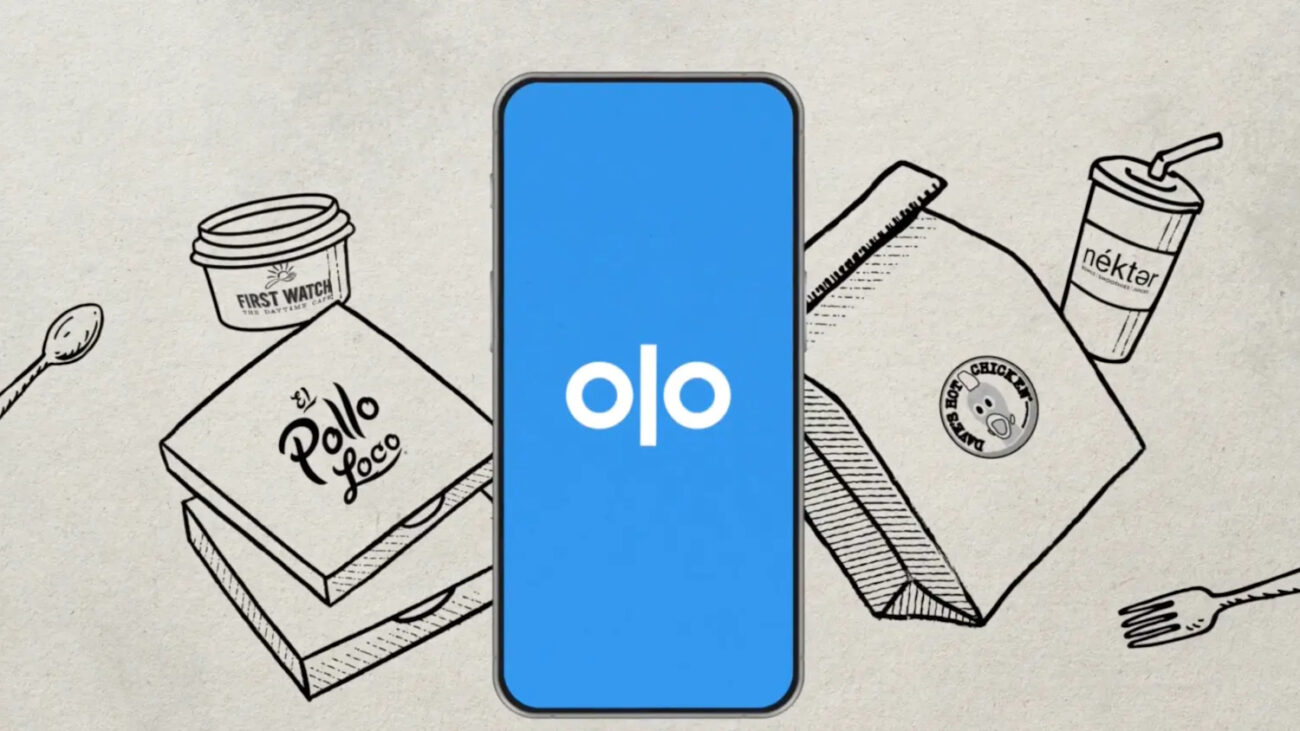
That cheeseburger, fries, and drink from Five Guys adds up fast on a major delivery platform — commission-driven markups baked into the menu price before a single hidden fee appears. Olo, a restaurant-technology company that previously operated behind the scenes powering branded ordering systems, has reportedly entered the consumer market promising something simpler: menu prices that match what the restaurant actually charges, plus a flat 5% network fee. Delivery costs still apply separately. “No markups” and “no fees” are not the same thing — and that distinction matters at checkout.
What “No Markups” Actually Means at Checkout
The savings may be real, but so are the asterisks hidden inside that final total.
The Five Guys price comparison is worth taking seriously, though it should be treated as illustrative rather than a universal guarantee. Taxes, tips, location, active promotions, and membership discounts all shift the final number. Before placing an order, run this checklist:
- Compare the same restaurant, items, and delivery address on both platforms at the same time.
- Add every line item: network fee, delivery fee, taxes, and tip — then compare totals.
- Check whether delivery is even available. Olo’s courier network is reportedly limited, and pickup may be the only option in many areas.
- Factor in any DashPass discounts or platform promotions before declaring a winner.
- Review Olo’s privacy settings before creating an account. According to Olo’s own privacy notice, the app uses personal data to build interest-based audiences, delivers ads on third-party sites, and may share identifiers, online activity, and geolocation data with advertising providers and business partners — activities Olo’s notice acknowledges may constitute “sale or sharing” under applicable privacy law. “No sponsored content inside the app” is a narrower promise than it sounds, and users can opt out of certain data-sharing activities through Olo’s privacy controls.
A Smaller Network Entering a Much Bigger Fight
Olo reportedly lists more than 250 restaurant brands; DoorDash reportedly partners with around 600,000.
Olo currently lists more than 250 national and regional brands — Five Guys, Waffle House, and Dave’s Hot Chicken among them, according to company materials. DoorDash reportedly partners with roughly 600,000 restaurants, though both figures should be verified against current official sources. That gap in selection and delivery coverage represents a serious competitive challenge — arguably more consequential than any pricing advantage Olo can offer. Rich Pleeth, a logistics industry executive, has assessed Olo as more likely to capture a consumer’s regular Friday takeout order than replace a delivery app entirely. That is expert analysis, not a measured market outcome.
The broader context adds pressure. DoorDash announced a proposed $17 billion acquisition of Instacart on Oct. 29, 2026, a deal that would combine restaurant delivery with grocery fulfillment and advertising technology. Both brands would continue operating separately until closing. The transaction remains subject to shareholder, regulatory, and other closing conditions, and is expected to close at the end of 2027 or in the first half of 2028. Olo is, in other words, proposing to challenge a company that — if the deal closes — would be considerably larger.
The honest test is not Olo’s advertised fee. It is the final total for your exact order, delivered to your address, tonight. Run the numbers at checkout. That is where Olo either earns the order or doesn’t.