

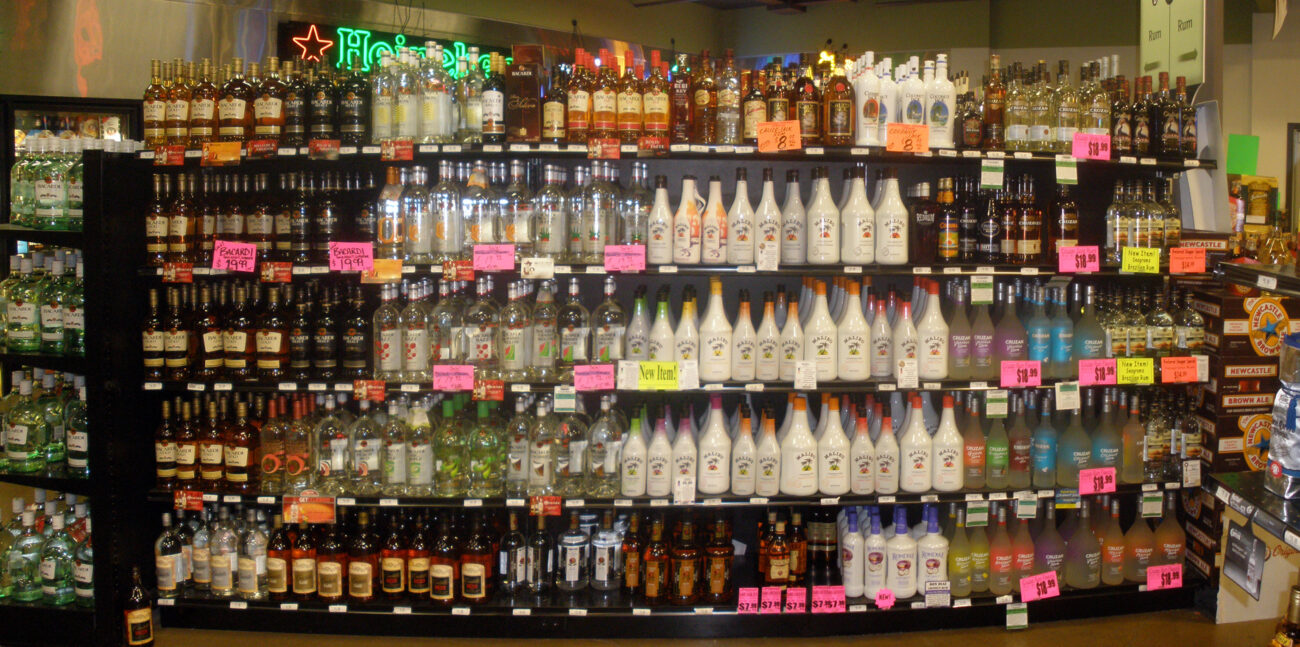
Dead phone batteries ruin your night, but navigating rum’s bewildering variety can ruin your bar experience entirely. Unlike whiskey’s rigid grain requirements or vodka’s neutral mandate, rum operates on one simple principle: sugarcane. Everything else—from fermentation funk to barrel choices—becomes fair game for regional interpretation.
This isn’t chaos masquerading as craftsmanship. Rum’s diversity spans continents precisely because sugarcane thrives everywhere from Caribbean islands to Philippine plantations. Where other spirits constrain themselves with legal definitions, rum embraces the beautiful mess of cultural tradition.
Three Traditions, Infinite Expression
Regional colonial history shaped rum into distinct styles that newcomers can actually navigate.
Rum production follows three primary paths that make selection manageable rather than mystifying:
- French-style rhum agricole uses fresh sugarcane juice instead of molasses, creating grassy, herbaceous spirits aged in used Cognac casks
- English-style rums from Jamaica and Barbados favor molasses fermentation in pot stills, yielding robust spirits with vanilla and tropical fruit notes from bourbon barrel aging
- Spanish-style ron from Puerto Rico and the Dominican Republic employs column stills for lighter, drier profiles with subtle wood influence
The magic happens during fermentation which accounts for at least 50% of rum’s final flavor profile. Yeast transforms sugar into alcohol while generating esters and congeners—the compounds responsible for everything from banana bread aromas to funky, overripe fruit character that makes Jamaican rum unmistakable.
Quality Over Complexity
Good rum announces itself through balance, not bewildering tasting notes.
Forget wine-style flavor wheels that intimidate more than they illuminate. Quality rum reveals itself through honest characteristics: natural sweetness balanced with wood and spice, tropical notes like grilled pineapple or dried plantain, and harmony between elements. Look for rums that represent their origins authentically rather than chasing exotic descriptors.
Start with trusted producers who respect tradition. Appleton Estate’s Joy Spence consistently crafts award-winning Jamaican expressions, while Barbados’s Richard Seale at Foursquare earned reputation as a purist fighting sweetened industrial rums. For cocktail enthusiasts, Smith & Cross delivers Navy-strength Jamaican funk that transforms tiki drinks.
Climate matters more than you’d expect. Tropical aging accelerates evaporation and wood extraction, creating richer flavors faster than cooler environments. This explains why Caribbean rums often display pronounced character even at younger ages.
Your palate remains the ultimate judge. Rum’s wild diversity means everyone finds their preference—whether that’s the agricultural purity of Martinique rhum or the molasses-driven richness of Barbadian tradition. Start with one regional style, then explore. Unlike other spirits that demand reverence, rum rewards curiosity above all else.