

Scan the menu at a local Mexican restaurant. Tacos, burritos, enchiladas — probably in that order. Tamales? Increasingly, no. Tamale entrées declined 7.8% on U.S. restaurant menus between the second quarters of 2021 and 2026, according to Technomic’s Ignite Menu data as reported by Fox News. That figure doesn’t signal tamales disappearing from American food culture. It signals a dish being squeezed out of commercial kitchens by economics most diners never see coming.
Three Days of Work for a $6 Plate
The labor behind this menu item explains why so many restaurants quietly stopped offering it.
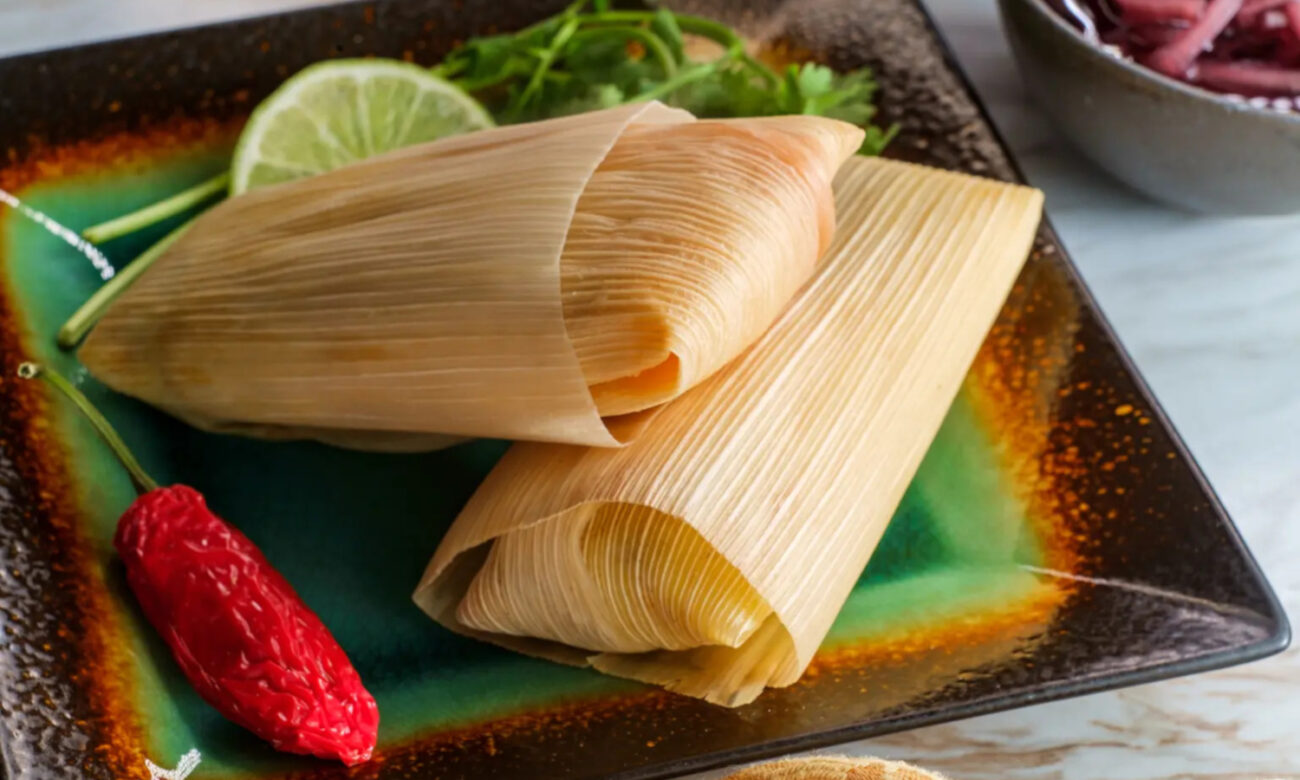
Elio Gomez, executive chef at Taquería Picoso in Alexandria, Virginia, kept tamales on the menu anyway. That decision costs him approximately three days per batch. His process starts with sourcing corn from Mexico, then cooking it overnight through nixtamalization — an alkaline treatment that makes the grain workable before it’s ground into masa. From there come the fillings, the banana leaves, aerating the dough, then assembling and steaming each tamale.
A written recipe can’t transfer that knowledge. Gomez spent months working alongside the employee who now handles his tamales — training that covered how the masa should feel and how firmly each tamale must be wrapped. An incorrectly wrapped tamale dries out in the steamer. The margin for error is physical, not theoretical.
Gomez charges $6 per tamale and considers that modest given the labor involved. Diners who remember cheaper tamales from other settings, however, may not recognize what’s behind the price. This kind of hidden cost tension has even sparked a wider restaurant reckoning around what diners are actually paying for.
Robert Mahon, director of operations for Mahon Hospitality Group — which runs Amor Loco and Toro Loco in New York City — offers the other side of the calculation. His restaurants have discussed serving tamales but currently do not. Customers aren’t requesting them the way they request tacos, and high effort paired with uncertain demand is one reported driver pushing tamales off menus across the country.
A Dish Rooted in Far More Than Restaurant Culture
Tamales carry a cultural history that long predates the laminated menu — and that context helps explain where the dish is headed.
Gomez grew up eating tamales as an everyday breakfast from Mexico City street vendors. In the United States, the dish has gradually become associated with holidays — Christmas, weddings, family gatherings — a multiday communal production deeply embedded in Mexican and Mexican-American domestic life. Culinary history sources, including the Ohio State University history of Mexican food in the United States, trace tamales to Mesoamerican foodways. The dish later absorbed Spanish colonial influences, among them pork fat and pork fillings, before traveling north through migration, street vending, and Mexican-American cooking.
That layered history doesn’t map neatly onto a standard lunch entrée. A restaurant-menu decline is not the same as cultural loss. Beloved Treats that fade from menus often follow this same pattern — remembered fondly, still craved, but no longer commercially viable. Tamales remain a living tradition in:
- independent taquerías willing to absorb the labor
- seasonal pre-orders
- market stalls
- family kitchens where they have always made the most sense
The dish isn’t gone — it’s simply most at home in settings where the three days of work behind it can be properly honored.