

New Orleans hums with more than just Bourbon Street beats and beignet crumbs. While iconic spots certainly hold their charm, the city’s true soul resides in its vibrant neighborhoods—each a world unto itself. This guide explores those corners where jazz riffs meet everyday life, balancing hidden gems with easy access. Ready to ditch the usual tourist traps? Consider this list a roadmap to the real New Orleans, where every street corner sings and unexpected adventures await.
7. Bywater & Marigny
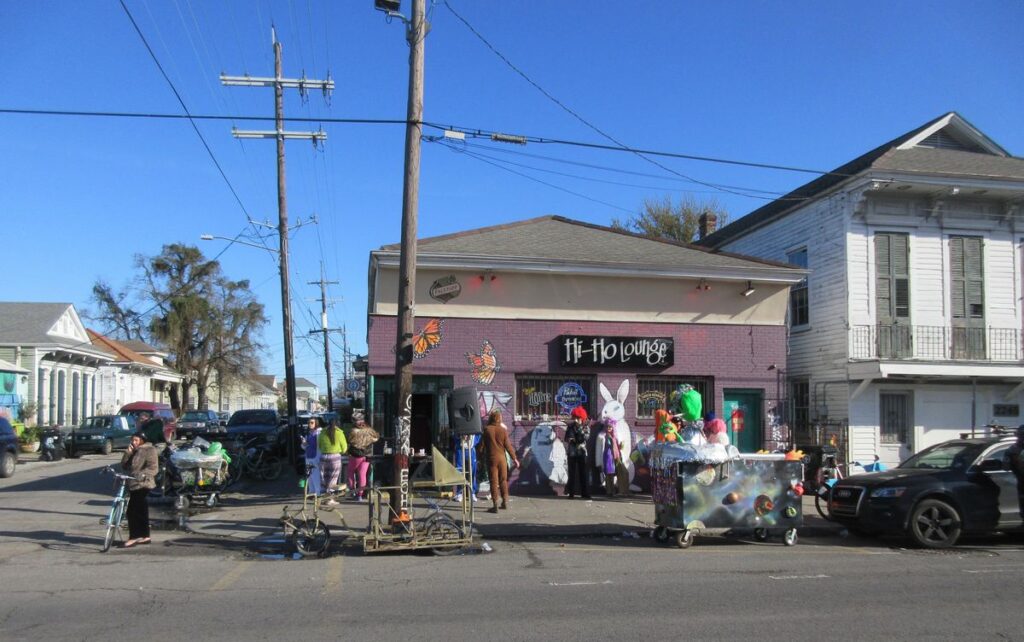
Forget Bourbon Street’s neon chaos—here, colorful historic homes stand shoulder-to-shoulder with vibrant street art.
No neighborhoods embody New Orleans’ creative spirit more than Bywater and Marigny. Each mural whispers tales of a bohemian vibe that beats in time with the community’s creative pulse. You’ll stumble upon indie coffee shops that smell of chicory and revolution, or wind up on riverfront trails in Crescent Park, the Mississippi a constant, calming companion.
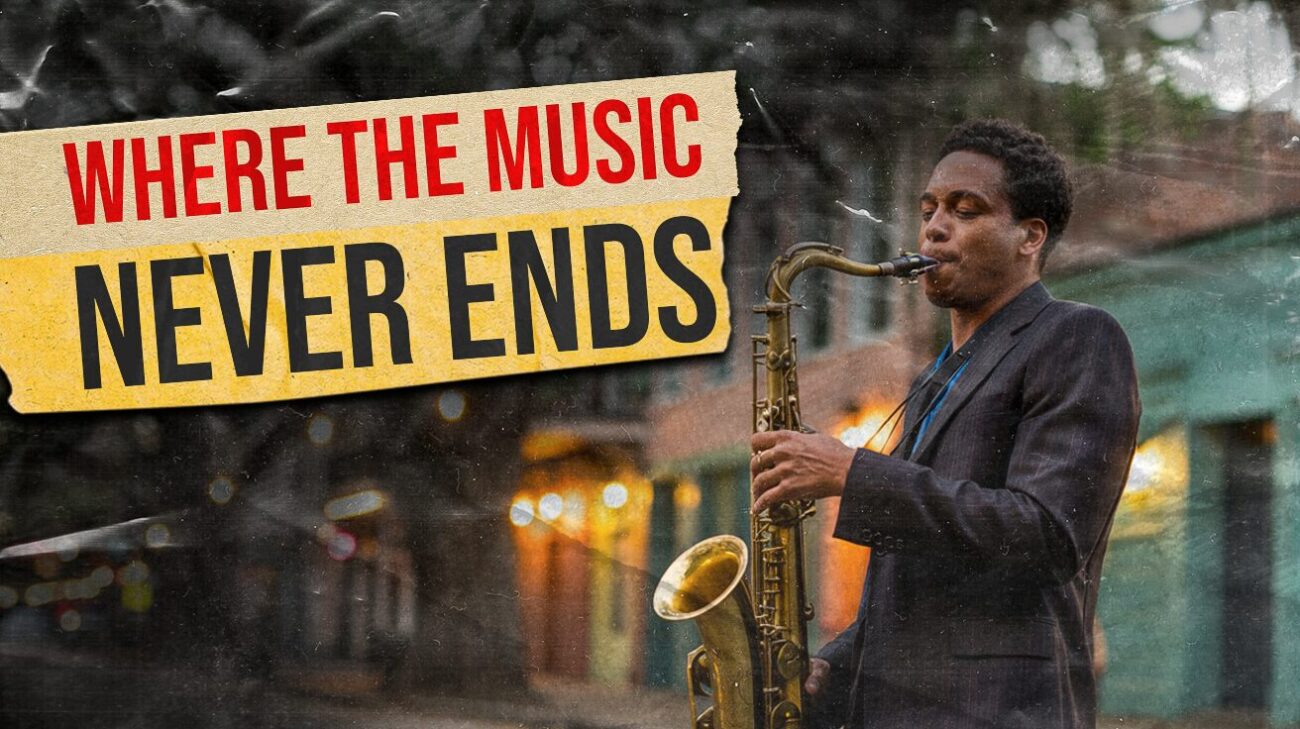
Anyone who’s ever sought refuge in art will find every corner is a canvas here, a gallery without walls. Instead of manufactured experiences, Frenchmen Street’s jazz echoes authentic history. These sister neighborhoods aren’t just locations—they’re living love letters to every dreamer and artist who colors outside the lines.
6. Magazine Street

Six miles of laid-back contrast unfurl through Uptown and the Irish Channel, offering boutique shopping and the city’s best brunch spots.
Over six miles snake through neighborhoods where Magazine Street delivers a local haven for antique treasures and galleries that don’t shout quite as loudly. You might spot a local settling into a sidewalk cafe, newspaper in hand, their laughter mixing with the clatter of silverware—a scene as authentic as the city’s jazz.
The street continues its evolution, blending new with old. One moment you’re hunting for the perfect vintage find, the next you’re savoring avocado toast that could make a food blogger weep. Magazine Street proves that the best adventures often happen at walking pace.
5. Bayou St. John
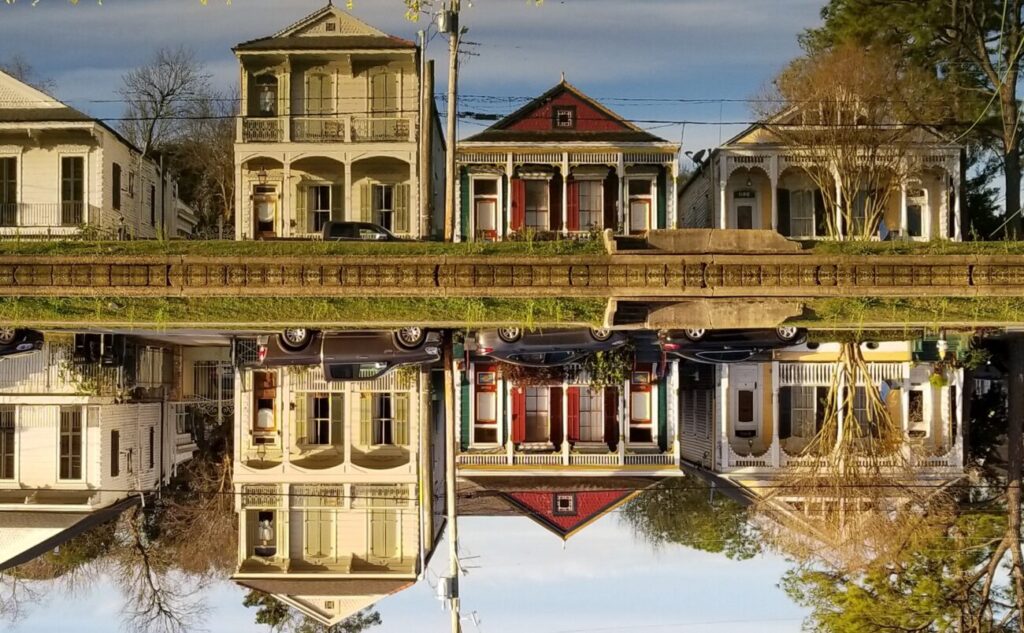
This Mid-City gem makes you forget you’re still in the city, with historic homes peeking through curtains of oak and Spanish moss.
Bayou St. John’s true appeal lies in its tranquil atmosphere. Picture a picnic blanket spread by the water’s edge, the aroma of Parkway Bakery po-boys mingling with the breeze as kayaks glide past. On any given weekend, you might stumble upon festivals like Bayou Boogaloo, where music seems to rise from the very water.
Trade the neon glare for the soft glow of sunset reflecting on the water. The po-boys are waiting, and the bayou offers something the French Quarter can’t—the rare gift of peaceful contemplation in a city that never truly sleeps.
4. Tremé & Armstrong Park
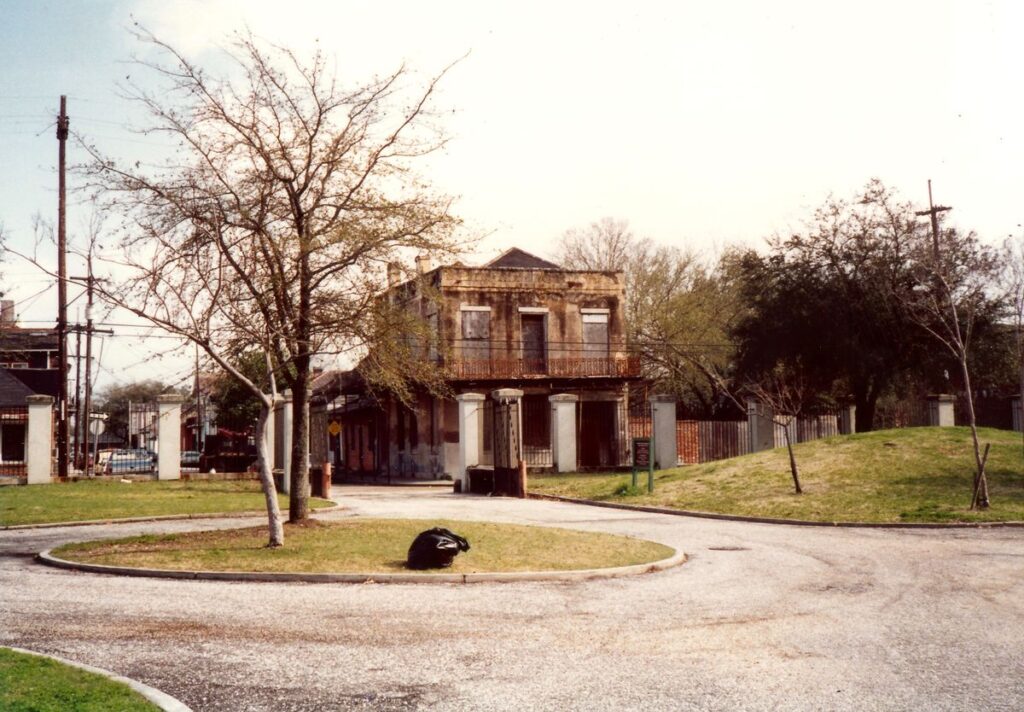
Armstrong Park encompasses historic Congo Square, where enslaved Africans once gathered each Sunday to play music, dance, and trade.
This 240,000-square-foot space remains the cultural and spiritual heart of the city. Before the Civil War, this gathering was a crucial lifeline where identities were celebrated and sustained. You see echoes of this legacy in Tremé, one of the oldest African American neighborhoods in the U.S., where jazz spills out of doorways like a song you can’t help but hum along to.
Picture a second line parade snaking through the streets, trombones wailing like joyful tears, celebrating ancestors and rhythms that refuse to be silenced. This neighborhood—a melting pot that’s been simmering for over 200 years—defines New Orleans’ soul and sound through Black heritage, activism, and stories that could make Nina Simone weep.
3. St. Roch Market
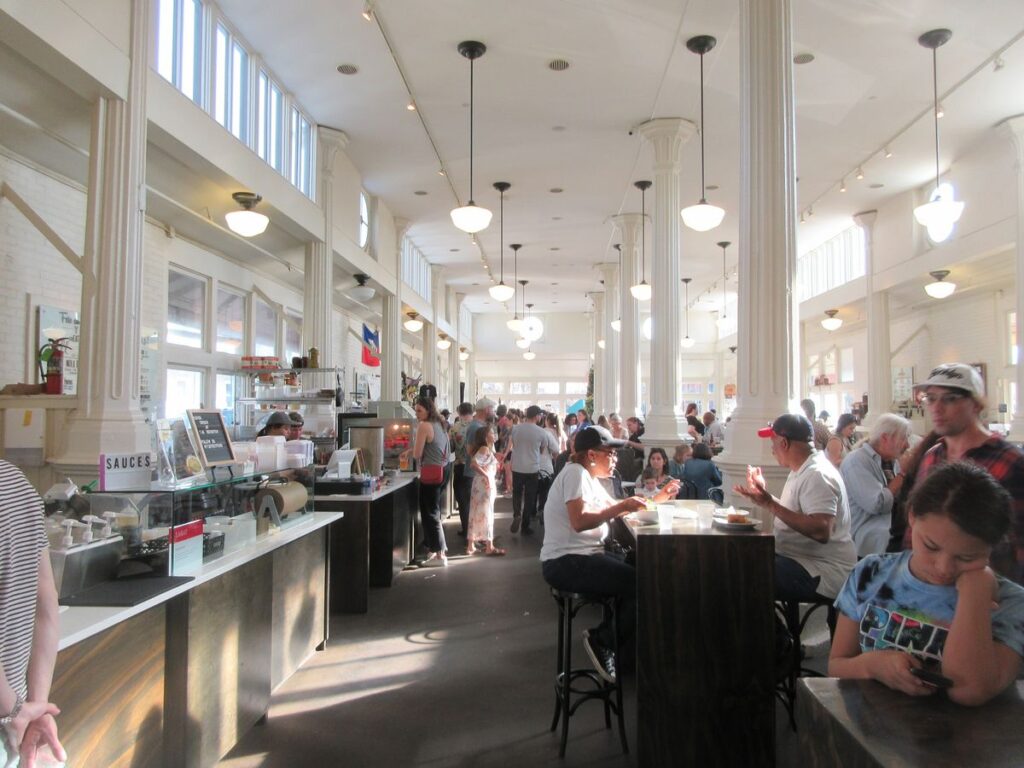
This Bywater hub represents New Orleans’ multicultural landscape, serving everything from Vietnamese pho to spicy Creole classics.
St. Roch Market functions as more than your average food hall—it’s a microcosm of the city’s soul, where local vendors sling their specialties with stories as rich as their sauces. Sample crispy spring rolls from a Vietnamese stall, then pivot to jambalaya that sings with the Holy Trinity of Creole cooking (onions, celery, and bell peppers).
The real flavor party happens here, with a soundtrack of laughter and the clatter of satisfied forks. St. Roch proves that New Orleans extends far beyond beignets and Bourbon Street, offering a culinary confessional where every bite tells a story.
2. Garden District
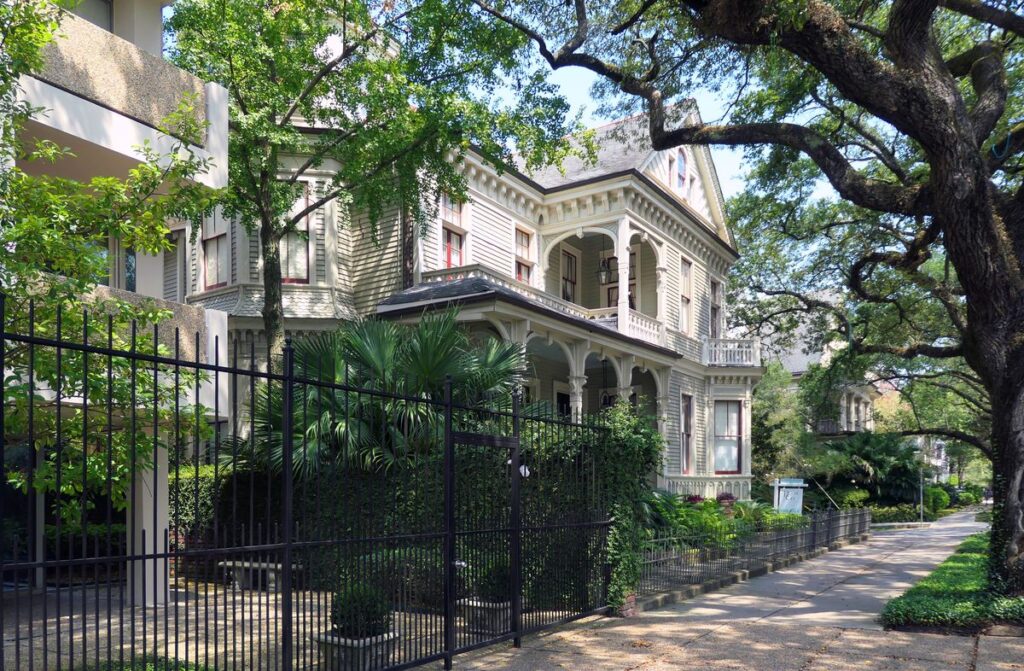
Grand mansions and tree-lined avenues stand as testament to elegant Southern charm, a deliberate contrast to the French Quarter’s frenetic energy.
The Garden District whispers stories while other neighborhoods shout. Once upon a time, wealth took root here, growing skyward in the form of Greek Revival and Italianate masterpieces. Amble along streets where each home’s façade murmurs secrets of generations past.
You’ll notice the shade of century-old oaks is cooler, the air less hurried. While the French Quarter pulsates with jazz, the Garden District offers a retreat—a serene counterpoint where history is savored at a slower pace, like sweet tea on a tiered veranda.
1. City Park
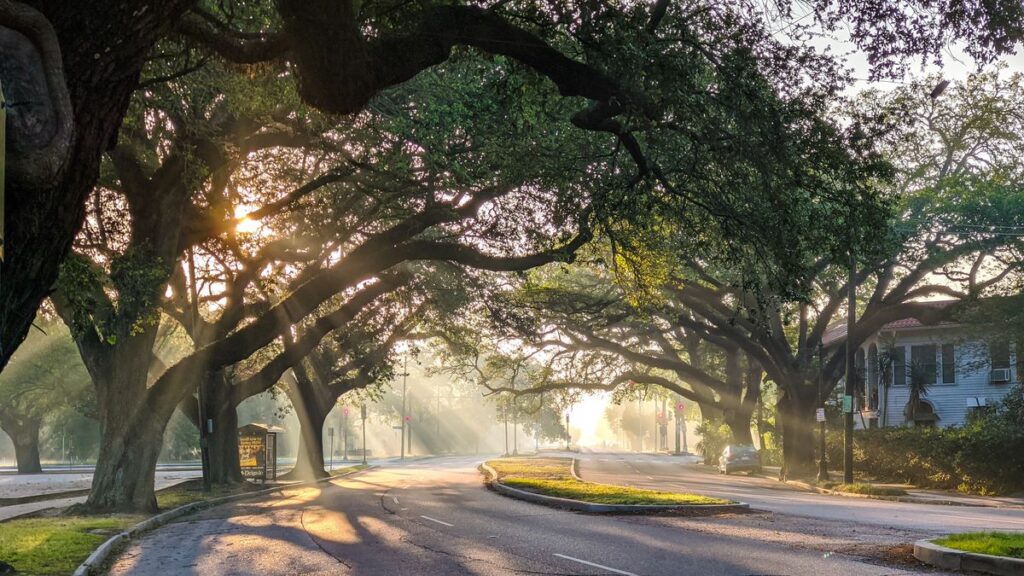
New Orleans’ largest and oldest outdoor attraction encompasses over 1,300 acres, housing art, nature, and the legendary JazzFest.
City Park provides peaceful respite from lively streets while offering more than just green space. The New Orleans Museum of Art and sculpture garden showcase over 90 art pieces across 11 acres, turning a simple stroll into an unexpected cultural expedition. Wander far enough, and you might stumble upon a modern masterpiece while searching for a quiet picnic spot.
As JazzFest’s location, the park serves as a vibrant backdrop where music and culture merge. That fusion of art, nature, and sound creates an immersive experience, drawing people into a space where relaxation and celebration naturally intertwine—every visit contributing to the park’s ongoing story.