

Restaurant dessert menus aren’t just pretty pictures and flowery descriptions—they’re psychological warfare disguised as hospitality. That molten chocolate cake photographed with perfect lighting and described as “velvety indulgence” isn’t accidental. It’s engineered to override your rational brain, particularly if you’re a woman dining in a group.
The tactics are sophisticated and deliberate. Restaurants have discovered that women often serve as the dessert decision-makers at tables, initiating orders that the whole group shares. This social dynamic becomes the perfect target for menu manipulation.
Visual Triggers That Hijack Your Brain
High-resolution food photography activates neural reward pathways similar to actually tasting dessert.
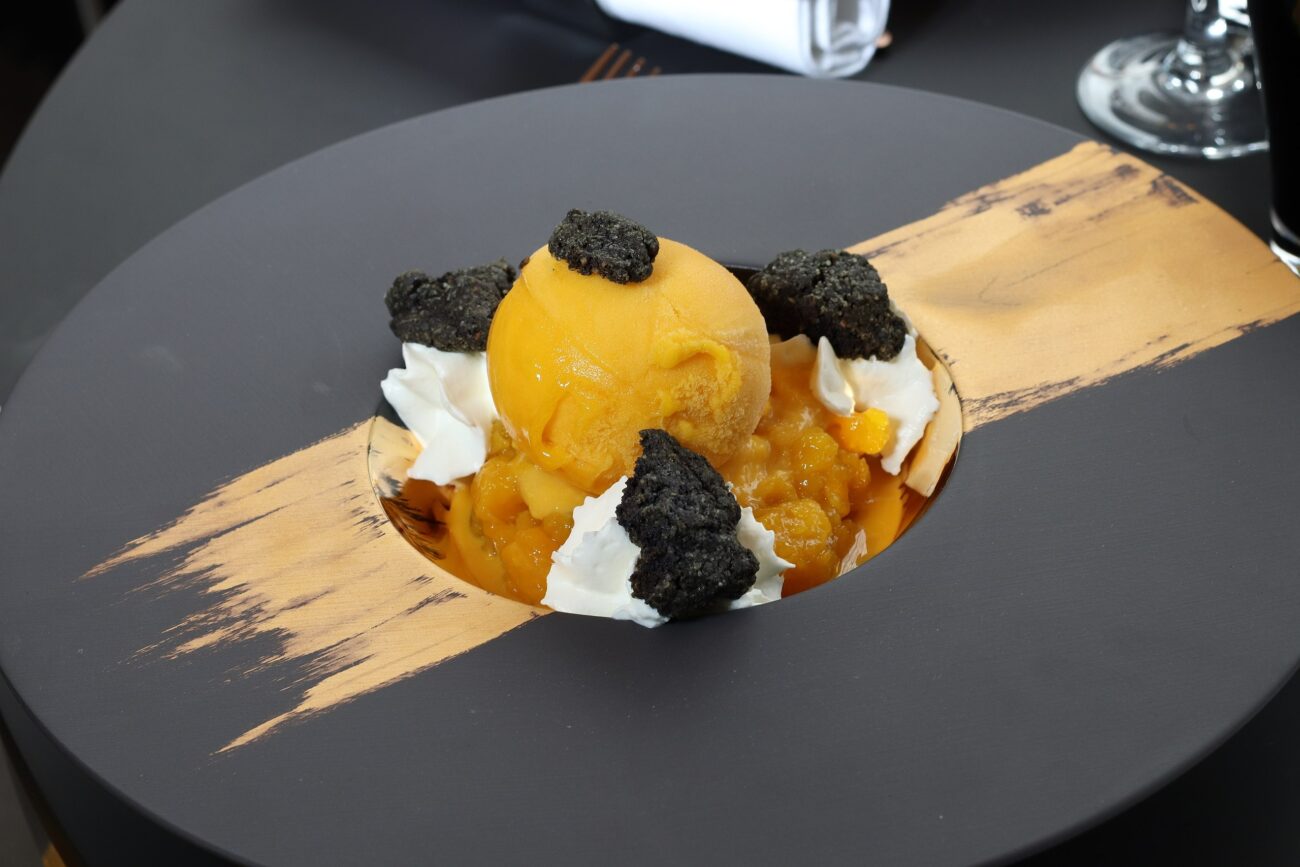
Close-up shots of glossy glazes and melting chocolate create instant cravings because your brain processes visual food cues as simulated consumption, according to research published in behavioral psychology studies. Those warm colors—reds, oranges, and golds—aren’t decorative choices. They stimulate appetite and generate feelings of comfort that make saying “no thanks” exponentially harder.
The language gets weaponized too. Words like “handcrafted,” “decadent,” and “artisanal” tap into emotional centers rather than logical ones, creating anticipation that overrides health considerations entirely.
Key manipulation tactics include:
- Strategic placement of premium items with compelling descriptions
- Price anchoring that makes expensive desserts seem reasonable
- Photography that emphasizes texture and richness
- Social pressure through “shareable” and Instagram-worthy presentations
The Social Media Amplification Effect
Group dining dynamics turn dessert ordering into performance and peer validation.
Women face unique pressure in group settings—not just to order dessert, but to facilitate the table’s indulgence. That pressure gets amplified by Instagram culture, where photogenic desserts become social currency.
Research shows diners consistently underestimate both caloric and financial costs at the decision point, focusing primarily on anticipated pleasure. The emotional high of ordering that towering sundae or sharing that chocolate soufflé creates genuine satisfaction.
Until it doesn’t.
The guilt cycle kicks in later—after the photos are posted, the bill arrives, and the sugar crash hits. But menus are designed to minimize these future consequences, emphasizing reward while burying nutritional information in fine print or omitting it entirely.
Understanding these tactics doesn’t mean swearing off dessert forever. It means recognizing when your buttons are being pushed, so the choice becomes genuinely yours.