

Your favorite Thai place swaps traditional galangal for ginger, uses canned coconut milk instead of fresh, and sweetens pad thai beyond recognition. The “authentic” Italian spot down the street? Pre-made marinara and frozen meatballs. Welcome to the beautiful, necessary lie of ethnic dining.
The Great Substitution Game
Economic reality forces restaurants to swap authentic ingredients for accessible alternatives.
Restaurants face a brutal choice: authentic ingredients or affordable prices. Thai kitchens replace expensive lemongrass and galangal with readily available herbs. Spanish restaurants serve paella with frozen vegetables instead of saffron, which costs more per ounce than gold. These substitutions happen across cuisines as owners balance tradition against razor-thin margins and local supply chains. Pre-made sauces, frozen proteins, and local substitutes maintain consistency while keeping doors open.
Your Brain on “Authenticity”
Stanford research reveals consumers rate restaurants higher when they feel authentic, regardless of actual fidelity.
Here’s the kicker: authenticity is more about storytelling than ingredients. Stanford researchers found diners systematically rate restaurants higher when perceived as authentic, even when the food bears little resemblance to traditional recipes. “Craft authenticity“—the appearance of skill and story—matters more than technical fidelity to original methods.
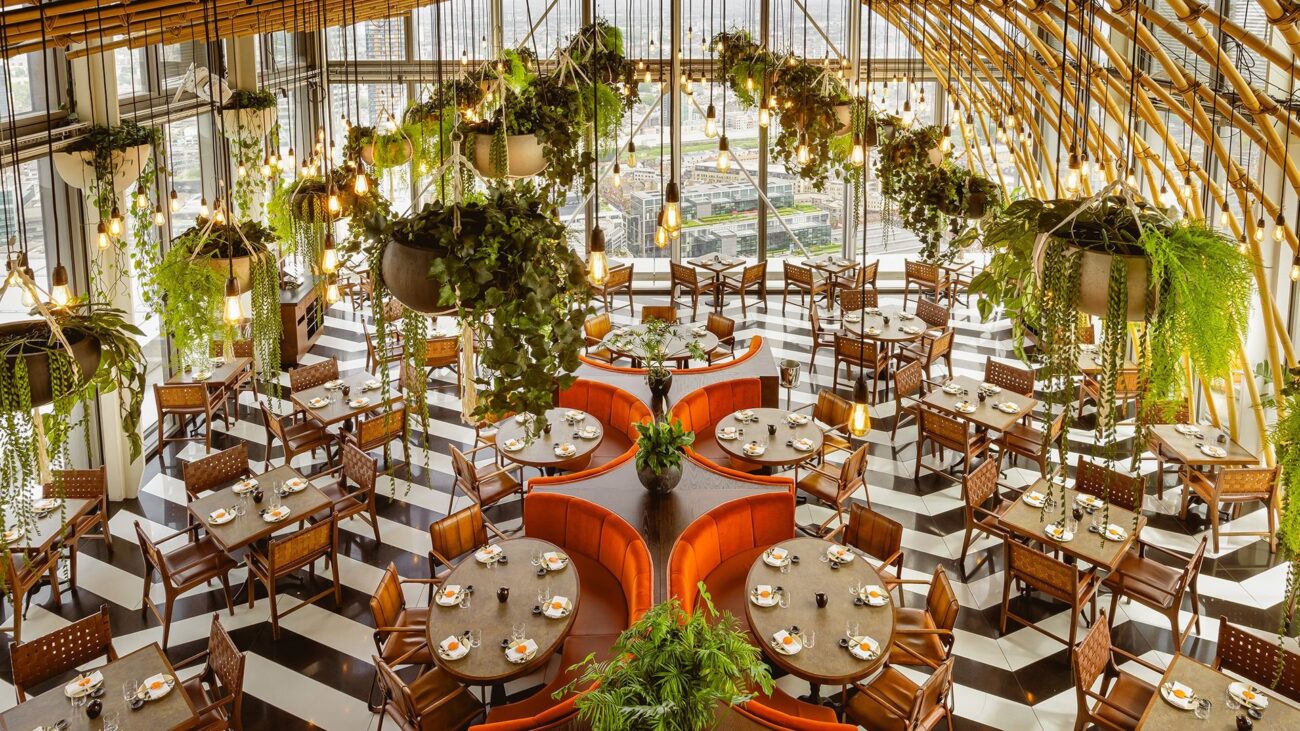
The handwritten menu and rustic décor? They signal authenticity more effectively than using traditional galangal or fresh coconut milk.
Instagram Killed Rustic Cooking
Social media aesthetics now drive presentation over traditional techniques.
Traditional Thai curry arrives in a simple bowl, not a hollowed-out pineapple. Authentic paella looks rustic, not Instagram-ready. But millennial diners expect their meals to photograph well, pushing restaurants toward theatrical presentation that prioritizes visual appeal over cultural accuracy.
The result? Food that performs better on your feed than in its homeland.
The Immigrant Restaurant Trap
Ethnic restaurant owners navigate between cultural preservation and business survival.
Immigrant restaurateurs face scrutiny from both their own communities and outsiders, regardless of local adaptations necessary for survival. They’re criticized for being “inauthentic” when they modify recipes for local palates or available ingredients.
Meanwhile, dominant-culture chefs profit from sanitized versions of their cuisines without facing the same authenticity policing. The real question isn’t whether your local spot serves “real” food, but whether you’re supporting the people who brought these flavors to your neighborhood in the first place.
Authenticity in restaurants isn’t about purity—it’s about adaptation, survival, and the messy reality of bringing one culture’s food to another’s palate.