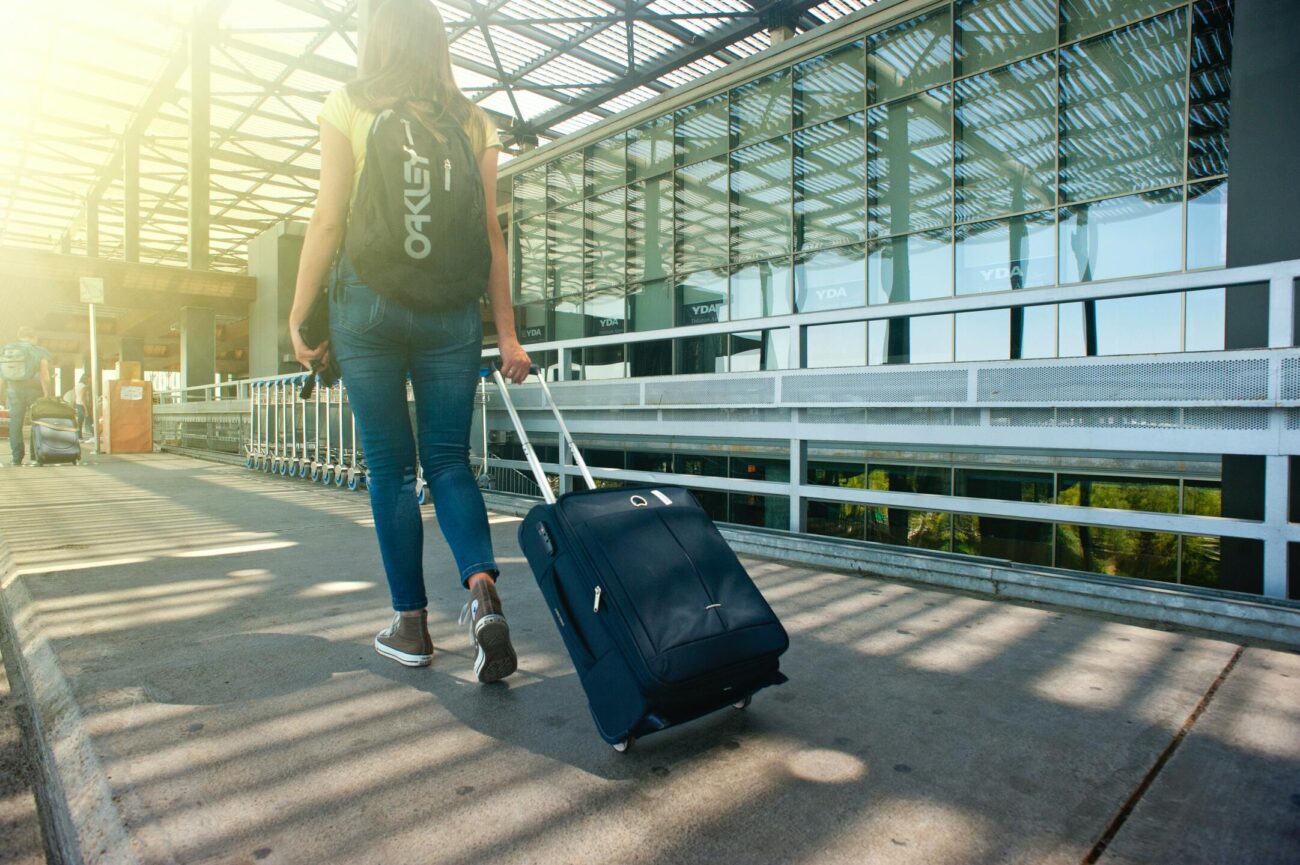


Crossing time zones disrupts more than sleep—it scrambles women’s reproductive systems in ways that rarely make it into travel guides. While everyone expects fatigue and brain fog after long flights, the hormonal chaos that follows hits women hardest. Irregular periods, crushing mood swings, and persistent anxiety become the unspoken aftermath of that dream vacation or crucial business trip. Yet most women blame themselves for “overreacting” instead of recognizing these symptoms as biological consequences of disrupted circadian rhythms.
The science reveals an uncomfortable truth: jet lag tangles up hormone release, particularly affecting estrogen and other reproductive hormones tied to the body’s internal clock. When travel exposes you to light at unexpected times, it scrambles the brain’s “master clock”—the same system that regulates both daily rhythms and monthly cycles.
Your Body Clock Controls More Than Sleep
Female biological systems prove uniquely vulnerable to the cascading effects of circadian disruption.
Animal studies expose why women suffer disproportionately from time zone changes. Female mice experienced more severe biological rhythm disruptions than males, with altered metabolism and hormone regulation persisting long after the initial shift. This suggests women’s bodies may be uniquely vulnerable to jet lag’s lingering effects.
The cascading symptoms often include:
- Delayed, shortened, or completely missed periods lasting one or more months
- Emotional volatility and heightened anxiety that feels impossible to control
- Disrupted appetite and energy levels that don’t match your new schedule
- Long-term health risks for frequent travelers, affecting bone density and cardiovascular health
Research shows that many women internalize these effects, blaming themselves for emotional instability rather than recognizing the symptoms as biological consequences of disrupted hormonal systems. The tendency to self-blame often prevents women from seeking appropriate support or adjusting travel expectations.
Flight attendants and business consultants face particular risks from chronic jet lag. The delicate hormonal feedback loops driving menstrual cycles become persistently unstable, potentially affecting fertility and overall health over time.
The solution starts with acknowledgment. Track your cycles, pack travel supplies regardless of timing predictions, and recognize that post-travel hormone chaos isn’t personal failure—it’s biology responding to environmental disruption. Persistent symptoms beyond two cycles warrant professional consultation, because chronic hormonal disruption shouldn’t be travel’s hidden tax on women’s health.