

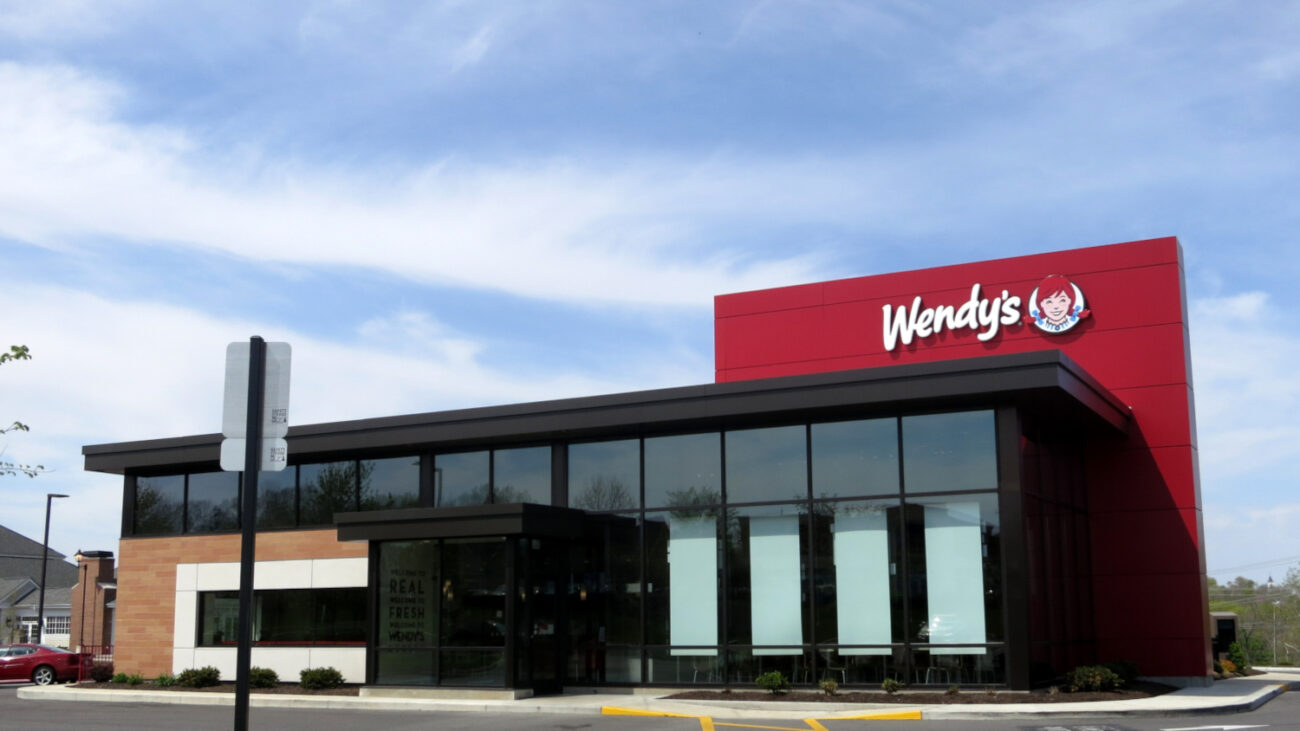
Most customers assume the Wendy’s near the office and the one across town are run by independent franchisees setting their own prices. A new lawsuit challenges that assumption directly. California customer Andy Garcia filed a proposed federal class action — a suit seeking to represent a large group of similarly affected people — in Maryland on November 23, 2026, against Wendy’s and restaurant-software provider NCR Voyix, alleging the two companies conspired to inflate menu prices nationwide. The complaint claims tens of thousands of customers paid artificially high prices between roughly 2016 and 2022. No court has found wrongdoing; these remain allegations.
How the Alleged Scheme Worked
The complaint places NCR Voyix’s Aloha point-of-sale software at the center of the alleged arrangement, claiming it funneled transaction-level sales data to Wendy’s so the chain could act as a “common decisionmaker” across locations that should have been competing on price.
Point-of-sale software processes transactions at the register and, according to the complaint, does considerably more in this case. Garcia alleges Wendy’s required franchisees to run NCR Voyix’s Aloha platform, which collected detailed pricing and sales data across locations. That data, the complaint claims, allowed Wendy’s to coordinate prices — while the company separately represented to investors that franchisees set prices on their own. That alleged contradiction sits at the heart of the case.
Key facts from the complaint, as reported by Reuters:
- Garcia filed the proposed class action in federal court in Maryland on November 23, 2026
- NCR Voyix’s Aloha software is at the center of the alleged data-sharing arrangement
- The alleged pricing coordination ran from approximately 2016 through 2022
- The suit seeks unspecified monetary damages and a court order halting the alleged coordination
- Neither Wendy’s nor NCR Voyix had responded to requests for comment at time of reporting
Garcia’s attorney argued Wendy’s used its pricing system to “manipulate the market,” and that consumers pay more when businesses that should compete on price stop doing so. Class certification still requires court approval, and the case is at an early stage.
The core legal question is whether pooling competitively sensitive franchise data and returning it as pricing guidance crosses from legitimate “recommendation” into unlawful coordination. When shared software blurs that line, antitrust law is left to decide where the boundary sits.
Wendy’s Isn’t Alone at the Counter
A parallel lawsuit targeting McDonald’s raises nearly identical questions about whether centralized data tools can quietly remove competition from franchise pricing.
McDonald’s is fighting a proposed class action in Illinois alleging its AI-enhanced pricing tool uses nonpublic store-level sales data to recommend prices across competing franchise locations, according to AP News. McDonald’s denies wrongdoing and maintains that franchisees — not algorithms — set menu prices. The two cases involve different companies, software systems, and allegations, but they share one unsettling premise: does centralized data infrastructure strip the competition out of “competitive pricing”?
Courts are now being asked to weigh in. Expected next steps in the Wendy’s case include:
- formal responses from the defendants
- potential motions to dismiss
- litigation over class certification
How the Aloha system actually collected and distributed pricing data is likely to face close examination. Whatever the outcome, the question of whether franchise software platforms can facilitate quiet coordination among businesses that should be rivals is not going away.