

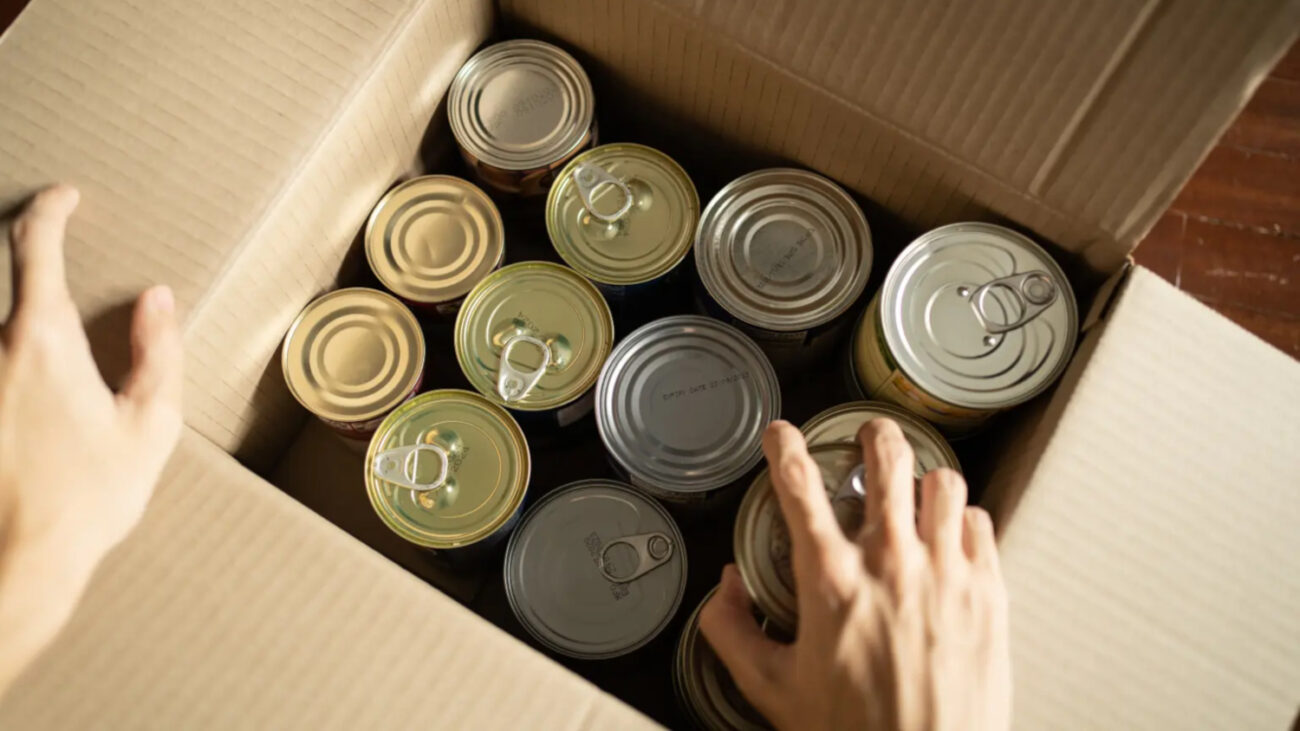
Check the propane shelf at your nearest Walmart. Odds are it looked a little thin recently. Walmart CFO John David Rainey confirmed to Bloomberg that shoppers had stocked up on emergency staples — bottled water, propane and camping gear — following a string of technology disruptions. The buying surge reportedly eased and didn’t alter Walmart’s quarterly outlook, but it happened. Three pressures appear to have contributed, none of them apocalyptic, all of them worth understanding.
When the Lights Stay On but Everything Else Goes Dark
One massive outage revealed how little separates “normal” from “nothing works.”
Microsoft’s Outlook and Teams went dark across more than 70 countries for roughly 36 hours. No malicious cause was confirmed, according to the New York Times — this was not a coordinated attack. It was the digital equivalent of a water main bursting beneath a street that looked perfectly fine.
Payment systems, logistics, and communications all run on the same interconnected stack, so when one layer buckles, the fear shifts quickly from inconvenience to something more unsettling: can you buy groceries tomorrow?
The disruptions that compounded this anxiety arrived in rapid succession:
- Microsoft outage: 70-plus countries, approximately 36 hours, no confirmed malicious cause
- FAA nationwide ground stop: linked to communications equipment problems, per FAA reporting
- Separate disruptions at multiple financial institutions during the same period
These incidents were not publicly established as connected. The timing, however, made them feel like one long systems failure.
Rational Hedge or Panic Buy?
Bulk rice and a generator won’t fix a software bug — but they do quiet a specific kind of dread.
This is where pandemic-era muscle memory kicks in. Mizuho Securities analyst David Bellinger described the behavior directly: consumers were “pantry-loading” and buying emergency-preparedness products after the outages and related anxiety, as reported by CBS News. At Costco, 21 of Costco’s 26 tracked generator models were sold out online at the time of Mizuho’s analysis. The firm estimated that Walmart, Sam’s Club, Home Depot and Lowe’s could all benefit from the buying surge, according to CNBC.
A second pressure is psychological: multiple failures landing close together feel like a pattern, even when evidence doesn’t establish one. A third is simply practical — bulk staples, bottled water and backup power equipment are widely available at major retailers and offer households a tangible sense of control.
Rotating shelf-stable food and keeping a few days of water on hand is guidance emergency managers have promoted for years, per FEMA. Buying more propane or fuel than can be safely stored is a different calculation entirely, carrying real risks of waste, unnecessary expense and unsafe conditions.
Walmart’s CFO said the surge had already eased. The cited reporting does not establish a nationwide food shortage. What the buying spike more likely reflects, as an interpretation of the available evidence, is how closely consumer behavior tracks perceived reliability of payment and logistics systems — not the food supply itself.
When the infrastructure feels uncertain, people prepare for the gaps they fear most.