

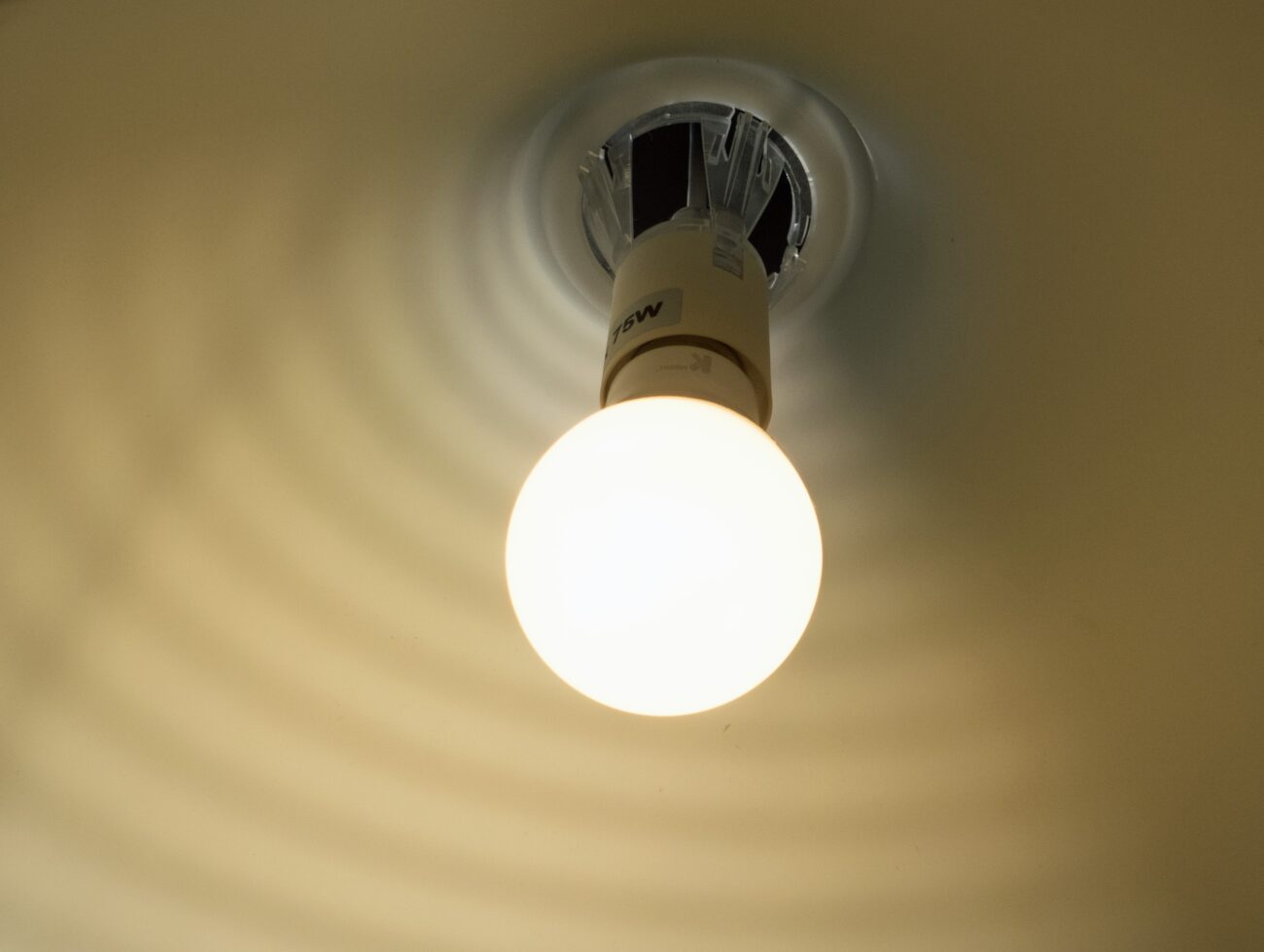
The gym sessions are consistent. Sleep schedule? Locked down. Stress management apps downloaded and actually used. Yet the scale won’t budge, and anxiety keeps creeping in during late evening hours. What if the real saboteur isn’t your willpower—it’s the LED bulb glowing overhead right now?
The Hidden Hormone Hijacker
Modern lighting tricks your brain into thinking it’s perpetual noon.
Artificial light after sunset—especially blue wavelengths from LEDs and screens—suppresses melatonin production, according to Harvard Health research. Your brain evolved to interpret blue light as “daytime,” triggering alertness when you should be winding down.
This biological confusion cascades through your entire hormonal system, disrupting the delicate balance that controls hunger, stress, and sleep. Blue light exposure blocks melatonin release while keeping cortisol elevated past its natural evening decline. Your body stays in “alert mode” when it should transition to “repair mode.”
The Weight Gain Connection
Disrupted sleep hormones turn your metabolism against you.
Poor circadian rhythm wreaks havoc on leptin and ghrelin—the hormones controlling hunger and satiety. Studies link artificial nighttime light exposure to higher obesity rates in populations, revealing how chronic sleep disruption creates perfect conditions for weight gain:
- Late-night cravings intensify as ghrelin signals increased hunger
- Satiety signals weaken as leptin becomes less effective
- Metabolism slows from inadequate restorative sleep
- Stress eating increases from elevated evening cortisol
Your midnight phone scrolling isn’t just stealing sleep—it’s reprogramming your appetite regulation.
Mental Health Under Siege
Blue light hits mood disorders hardest, but affects everyone’s anxiety levels.
Research shows people with bipolar disorder and depression experience heightened sensitivity to circadian disruption from artificial light. Even healthy adults report increased anxiety symptoms when exposed to bright artificial lighting before bed.
Teenagers face particular vulnerability, making that TikTok session potentially more harmful than parents realize. The “tired but wired” feeling plaguing modern evenings? That’s cortisol refusing to drop while melatonin gets suppressed. Your nervous system can’t downshift into relaxation mode.
Timing Trumps Technology
LEDs aren’t inherently evil—it’s about when you use them.
Daytime blue light exposure actually enhances alertness and mood. The problem emerges when we flood our homes with noon-intensity lighting at 9 PM.
Smart lighting systems offering “warm dim” features represent the hospitality industry’s growing recognition that lighting affects guest wellbeing, not just ambiance. The solution isn’t ditching modern lighting—it’s respecting your circadian rhythm by dimming artificial light at least 30 minutes before bed and using warmer light sources for evening activities.