

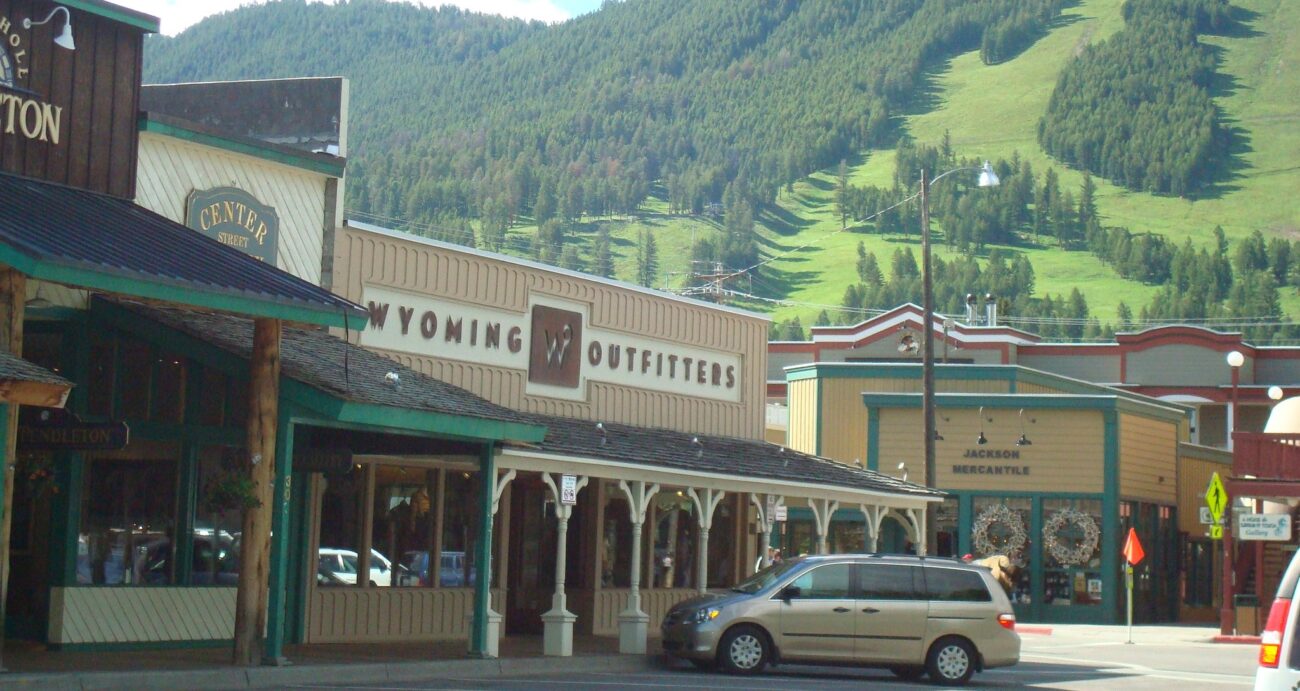
The nation’s richest county operates its morgue in a converted parking garage. That’s the reality in Teton County, Wyoming, where billionaires have created America’s most extreme wealth inequality while essential workers commute from neighboring states or sleep in their vehicles.
According to Cowboy State Daily, Teton County’s per capita income hit $532,903 in 2024—six times the national average. Yet the county coroner works out of a repurposed garage because basic infrastructure can’t keep pace with the wealth explosion. This isn’t prosperity—it’s a broken system where investment gains subsidize luxury while public services crumble.
The Tax Haven Gold Rush
How 2017 legislation created a billionaire boom in the least populated state
The 2017 Tax Cuts and Jobs Act transformed Wyoming into a wealth magnet. Corporate tax rates plummeted to 21%, estate exemptions doubled to $22 million per couple, and stock markets surged 80%.
The result? America minted 50% more billionaires, with many flocking to Wyoming’s no-income-tax paradise.
Joe Ricketts, TD Ameritrade’s founder, worth $8 billion, exemplifies this migration. According to reports, he purchased $9 million in public land for a private resort, bypassing wildlife regulations. The Mars and Walton heirs followed similar patterns, treating Wyoming like a personal tax shelter while the state slashed property taxes by another 25% on million-dollar homes.
Investment income now comprises 77% of Teton County earnings—versus just 21% nationally, according to economic data. The top 1% of households average $35 million annually, creating wealth gaps 221 times wider than the bottom 99%.
The Service Economy Collapse
When your workers can’t afford to live where they work
Jackson’s bakeries can’t expand. Rendezvous River Sports struggles to staff outdoor adventures. The math is brutal: 4,300 new jobs created, but only 300 new year-round residents added.
Average home prices exceeded $7 million in 2025, forcing service workers into 45-minute commutes over mountain passes from Idaho. Those who stay often live in employer-provided housing or their cars. A 495-square-foot townhouse rents for $3,300 monthly—if you can find one.
Schools, hospitals, and other public services strain under the pressure while nonprofits redirect millions toward arts centers instead of housing assistance.
The irony cuts deep: billionaires seeking mountain authenticity depend entirely on workers who can’t afford to live in their playground.
The inequality isn’t accidental; it’s policy-driven luxury subsidized by everyone else.