


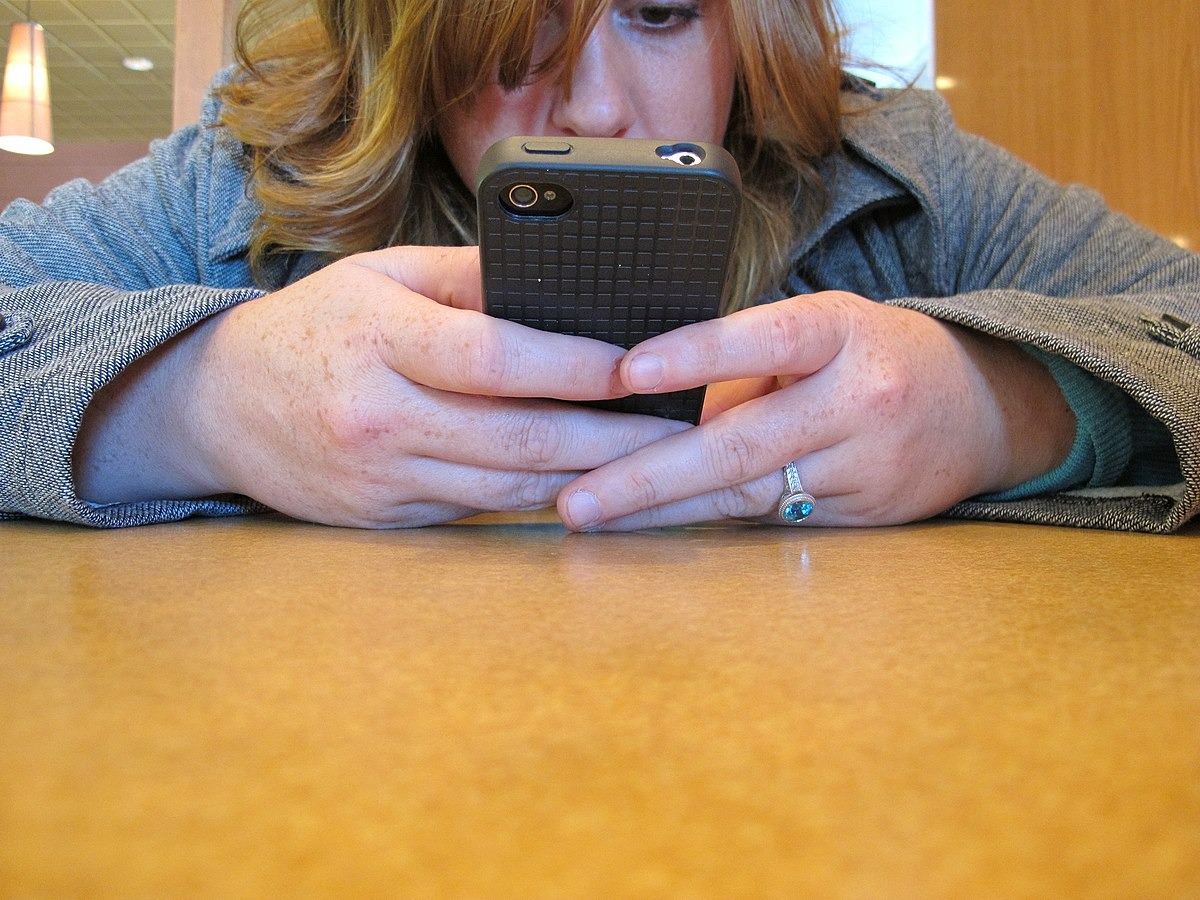
Behind every delayed response lies a micro-moment of doubt. Your partner sends “Can we talk tonight?”—then waits three hours for your “Sure, what’s up?” reply. Nothing explosive happens, but something small dies each time these digital delays accumulate into emotional distance.
The Research That Should Worry You
Studies reveal how mundane messaging patterns predict marital dissatisfaction.
Brigham Young University research found that couples who shift serious conversations to text experience measurably lower relationship satisfaction. When disagreements, apologies, or major decisions migrate from face-to-face exchanges to thumb-typed messages, marriages lose the nonverbal cues that build understanding.
The study tracked hundreds of couples and discovered that text-heavy relationships felt more like business partnerships than romantic bonds. You miss tone, body language, and those crucial pauses that signal when someone needs reassurance rather than solutions.
The most damaging texting habits destroying modern marriages:
- Logistics-only messaging that reduces partners to personal assistants (“Pick up milk,” “Running late”)
- Conflict resolution via emoji instead of actual conversation about hurt feelings
- Delayed responses during emotional moments that signal disinterest or avoidance
- Overusing brief acknowledgments (“k,” “yep”) that shut down deeper connection
The Gender Divide Making Everything Worse
Research reveals how messaging habits affect partners differently, creating communication dead ends.
The damage isn’t gender-neutral. Men who send frequent texts report lower relationship satisfaction overall, while women who use texting to manage conflict show the steepest drops in relationship quality.
Women frequently initiate emotionally charged conversations via text, while men withdraw or respond perfunctorily, compounding feelings of being ignored, according to relationship research from Brigham Young University. This creates a toxic loop: she texts about problems, he sends terse responses, she feels dismissed, he feels overwhelmed by constant digital demands.
Young adults hit hardest—they’re more likely to let texting habits shape their entire relationship dynamic, with some reporting both heightened intimacy and increased emotional drift from the same device.
The solution isn’t abandoning your phone. Save complex discussions for calls or face-to-face conversations, and use texting for support rather than conflict resolution.