

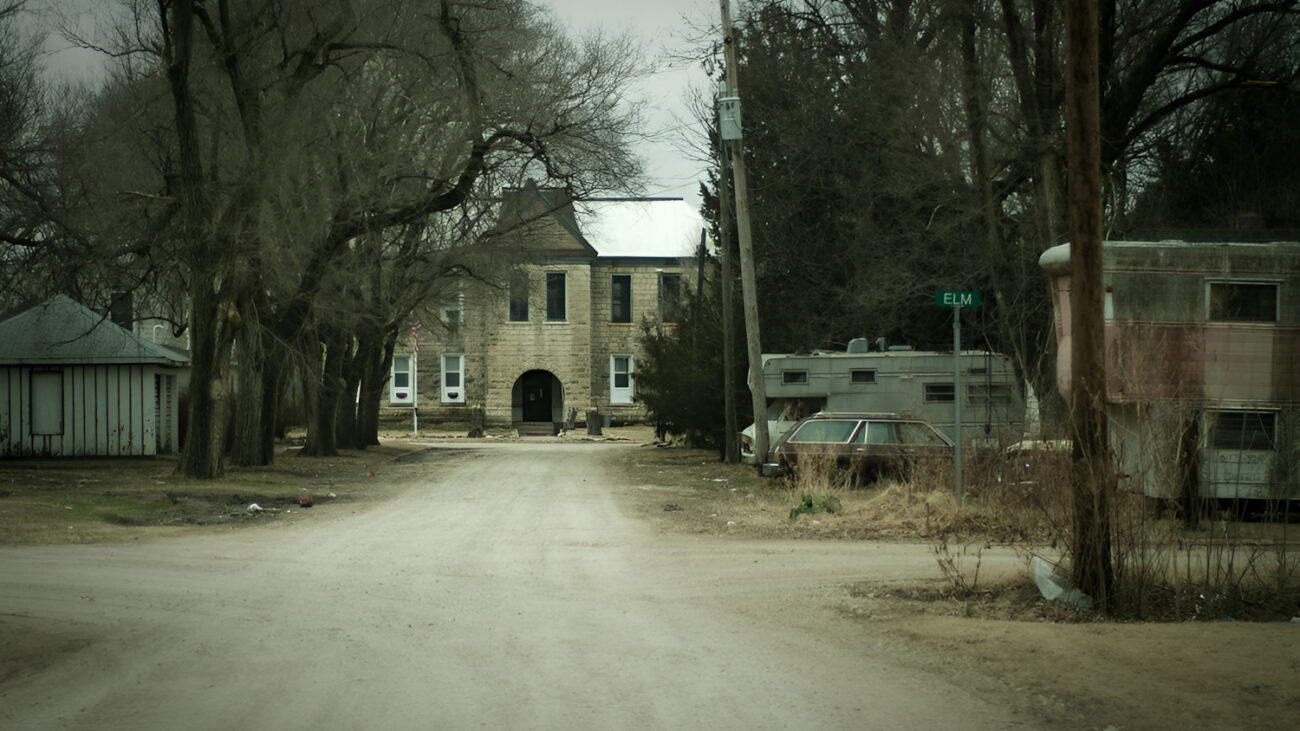
Virginia City, Nevada — population 787 according to the 2020 Census — just beat Salem at its own game. According to Vivint’s 2026 Spookiest Cities report, this silver-rush relic topped a ranking of 74 U.S. cities measured across seven categories: reported ghost sightings, haunted places, funeral-service listings, haunted-house attractions, psychics and astrologers, spiritual shops, and spooky-related Google searches. Most business and search figures are calculated per 10,000 residents, with each metric then normalized to a 0–100 scale. That methodological detail matters enormously — and explains almost everything counterintuitive about this list.
Small Towns, Big Screams
Per-capita scoring gives small tourism towns a structural advantage, and the top seven results prove it.
Virginia City recorded approximately 10,870 spooky searches per 10,000 residents and 124.2 haunted-house attractions per the same measure, according to Vivint’s report. Tombstone, Arizona, claimed second with the study’s highest concentration of psychics and astrologers. Then came Eureka Springs, Arkansas; Galena, Illinois; Gettysburg, Pennsylvania; Cape May, New Jersey; and Estes Park, Colorado. All are comparatively small, tourism-oriented destinations — and per-capita scoring amplifies any concentrated cluster of paranormal businesses when divided by a limited resident base.
The Full Top 10:
- Virginia City, Nevada
- Tombstone, Arizona
- Eureka Springs, Arkansas
- Galena, Illinois
- Gettysburg, Pennsylvania
- Cape May, New Jersey
- Estes Park, Colorado
- Austin, Texas
- Los Angeles, California
- Weston, West Virginia
Austin and Los Angeles are the ranking’s first major cities, arriving at eighth and ninth. Their raw numbers are genuinely striking. Austin logged 115 reported ghost sightings — the most of any city studied. Los Angeles recorded 61 reported haunted places, the highest absolute count in the report. Those figures read very differently before dividing by 10,000 residents. Big cities carry big denominators, and that’s the core tension the methodology cannot fully resolve: spooky-tourism density versus sheer haunted volume.
Reputation Isn’t the Same as Density
A high placement reflects the concentration of spooky commerce and search interest — not necessarily where the most dramatic haunted history lives.
New Orleans ranked 22nd. Savannah landed 28th. Salem — Salem — came in 41st. New York City and Boston finished 68th and 69th, respectively, among the 74 cities studied, according to Vivint’s report. Their per-capita concentration of paranormal businesses and search activity, apparently, could not keep pace with smaller rivals. Vivint also notes that Yelp-based business counts may include listings outside official city boundaries, adding a layer of imprecision worth considering before booking a ghost tour.
If your Halloween travel instinct defaults to Salem or New Orleans, those cities aren’t going anywhere — and neither is their history. But Virginia City, Tombstone, and Gettysburg have built dense ecosystems of haunted attractions, spiritual shops, and paranormal businesses around their reputations. According to Vivint’s index, that concentration is precisely what spooky-tourism intensity looks like — and the internet has clearly taken notice.