

Shopping while hungry costs Americans an extra $26 per grocery trip, according to a 2024 survey commissioned by Dole Food Company. That growling stomach doesn’t just drive you toward the snack aisle—it rewires your entire decision-making process, turning careful budgeters into impulse-buying machines.
The damage peaks between 4 p.m. and 5:59 p.m., when post-work hunger collides with depleted willpower. Your blood sugar dips, your brain’s reward centers light up at the sight of food, and suddenly that family-size bag of chips seems essential.
Even shoppers who swore they’d stick to their carefully curated shopping lists find themselves loading up the cart like they’re preparing for a Netflix binge weekend.
When Hunger Hijacks Your Budget
The survey reveals just how thoroughly hunger demolishes good intentions. Seventy-six percent of Americans admit to ignoring their grocery budget when shopping hungry, while 60 percent abandon their healthy eating goals entirely.
But here’s the twist: those impulse purchases aren’t just junk food. The top grabbed items include:
- Bananas (33 percent)
- Grapes (30 percent)
- Apples (22 percent)
“The key is affordable, ethically sourced, nutrient-dense foods and shopping habits that reflect health priorities, not impulse or convenience alone,” says William Goldfield of Dole. Even healthy choices become budget busters when hunger drives the decisions.
According to research published by the American Council on Science and Health, hungry shoppers gravitate toward high-calorie options as reward circuits fire more intensely after fasting. It’s not a character flaw—it’s neuroscience.
Smart Shopping Strategies That Actually Work
Eat a protein-rich snack before entering the store. Your blood sugar stabilizes, those impulse triggers quiet down, and you can actually stick to your list.
Time your trips for mid-morning or early afternoon when both crowds and cravings are manageable.
Create specific lists and track spending as you shop. Compare unit prices ruthlessly—those pre-cut vegetables and bulk items often hide per-ounce premiums that hungry brains ignore. Digital coupons help, but only if you remember to activate them before checkout.
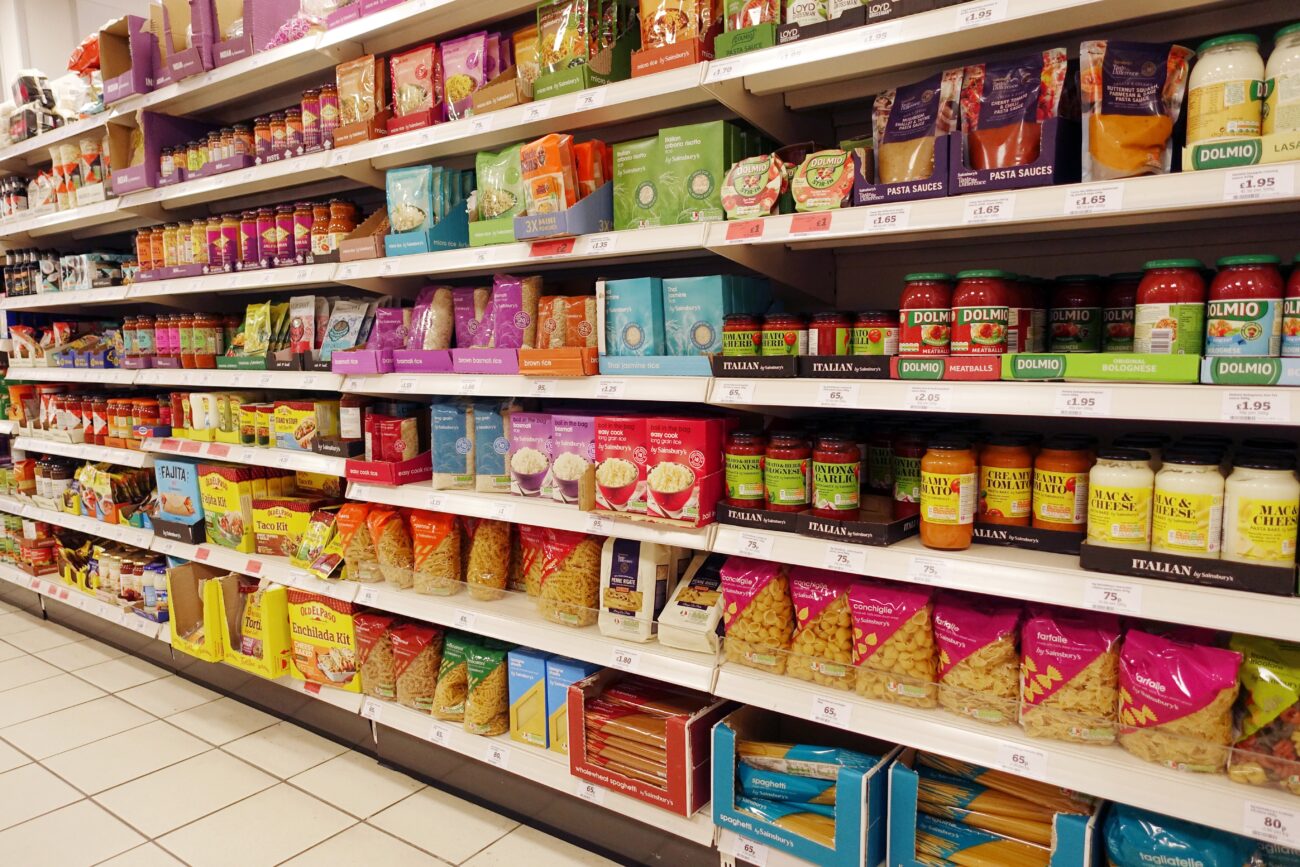
The grocery store will always be designed to trigger impulse purchases. But armed with a satisfied stomach and a solid plan, you can keep that extra $26 where it belongs—in your account, not their register.