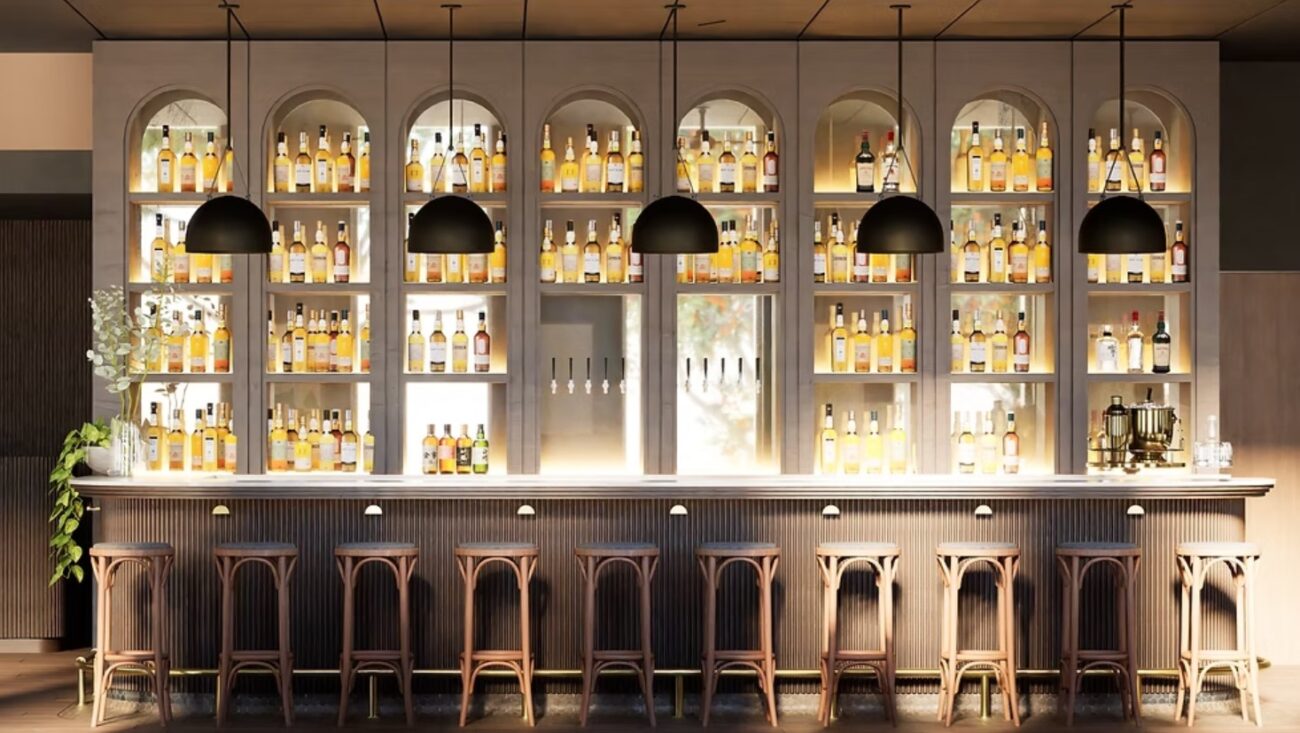


That all-white apartment looked stunning in photos, but living in it feels like inhabiting a medical facility. The open shelving promised effortless chic—until every meal became a dust-collection showcase. Across social media, the home decor trends dominating feeds are creating beautiful images and deeply uncomfortable lives, leaving homeowners questioning why they prioritized likes over livability.
The Psychology of Picture-Perfect Spaces
Museum-quality interiors trigger constant anxiety about maintaining impossible standards that no one can sustain.
All-white furnishings transform daily life into a vigilant cleaning routine, where every coffee cup becomes a potential catastrophe. The psychological toll extends beyond cleanliness stress—these spaces often feel sterile and unwelcoming, more like stage sets than sanctuaries designed for actual human habitation.
Design experts increasingly recognize that homes optimized for photography create environments that actively work against human comfort and well-being.
When Trendy Becomes Toxic
The most popular Instagram decor choices create practical nightmares that homeowners discover only after committing to the aesthetic.
- Open kitchen shelving creates endless dust accumulation while exposing every mismatched dish and food package
- Neon signs and LED strips, designed to create “cozy vibes,” actually disrupt sleep patterns and flood rooms with artificial light that feels more like a nightclub than a home
- Beige-on-beige minimalism strips spaces of personality, leaving rooms that feel flat and emotionally vacant
- Oversized mirrors in small apartments amplify feelings of self-consciousness, creating surveillance-like atmospheres that heighten anxiety rather than expand space
The Authenticity Backlash
A growing movement of homeowners and design professionals now prioritize wellness over social media validation.
Design professionals increasingly advocate for wellness-centered approaches that prioritize comfort over camera appeal. The counter-movement embraces natural materials, varied color palettes, and lived-in charm—evidence that people actually inhabit their spaces.
Millennials report feeling liberated when they abandon the pressure to hide children’s toys, personal collections, or everyday clutter that social media culture demands they conceal. Social platforms that once celebrated sterile perfection now showcase homes that feel genuinely livable.
The shift reflects broader cultural exhaustion with performative living, where every corner must serve Instagram rather than the inhabitants. Your home should restore you, not stress you—the most beautiful space means nothing if you can’t actually relax in it.