


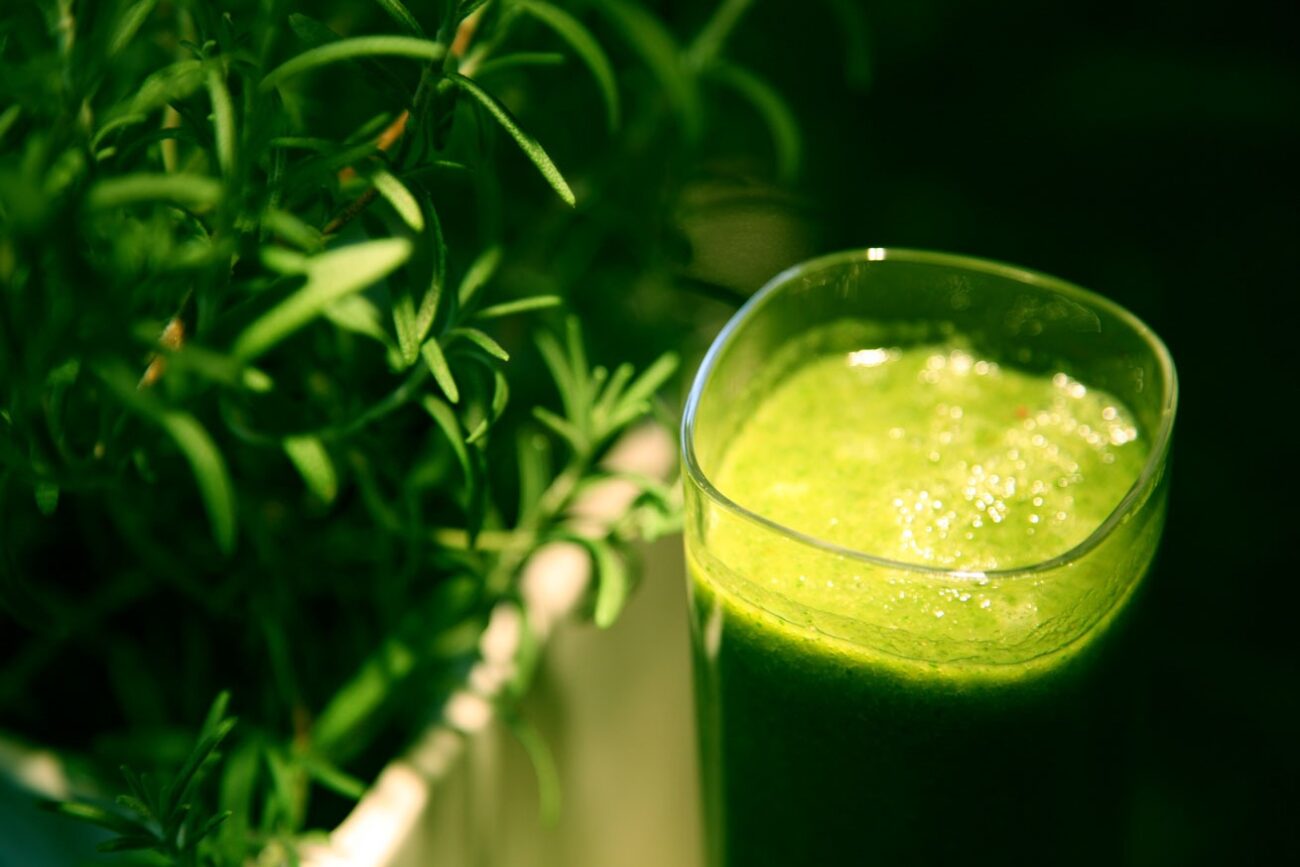
That green goddess smoothie you grabbed for breakfast? It’s sabotaging the very thing you’re trying to improve. Commercial smoothies marketed as nutritional powerhouses routinely pack over 50 grams of sugar per serving—exceeding a 12-ounce Coke by nearly 20 grams, according to nutrition experts analyzing popular chains.
The Wellness Industry’s Sweet Deception
Marketing masks sugar bombs as health solutions, targeting busy consumers seeking quick nutrition fixes.
The culprits hiding behind feel-good labels read like a chemistry experiment: fruit juice concentrates, turbinado syrups, and sugar alcohols that sound harmless but wreak havoc on gut bacteria. These ingredients feed harmful microbes while starving beneficial ones, creating the exact opposite environment your digestive system needs to thrive.
Even drinks labeled “natural” or “immune-boosting” contain stabilizers and artificial sweeteners that disrupt bacterial populations, leading to bloating, inflammation, and that familiar afternoon energy crash.
Your gut’s warning signals are hard to miss:
- Persistent bloating after your “healthy” morning routine
- Brain fog that coffee can’t fix
- New skin breakouts despite clean eating efforts
- Energy crashes that leave you reaching for more sugar
- Irregular digestion patterns that seem to worsen with wellness drinks
What Your Microbiome Actually Needs
Real gut health comes from fiber-rich whole foods, not processed convenience drinks.
The processed smoothie industry strips away fiber—the essential prebiotic that feeds healthy gut bacteria—while loading products with blood-sugar-spiking sugars that promote inflammation. Women especially need to pay attention to gut health’s connection to immunity, mood regulation, and hormone balance, according to functional medicine experts. These marketed health drinks can undermine all three systems when consumed regularly.
Traditional food cultures got this right without billion-dollar marketing budgets. Mediterranean and Asian diets emphasize fermented foods, seasonal produce, and minimal processing—approaches linked to diverse, resilient microbiomes.
Your kitchen blender can replicate this wisdom: Greek yogurt, whole berries, flaxseed, and a handful of spinach deliver more gut-supporting nutrients than any commercial blend.
The solution isn’t swearing off smoothies entirely. It’s reading labels like a skeptical detective, prioritizing whole ingredients over marketing claims, and remembering that real wellness rarely comes with a corporate logo attached.