

Restaurant bills shouldn’t depend on gender, yet studies analyzing over one million U.S. restaurant transactions reveal female diners consistently pay more per calorie consumed. The culprit isn’t menu pricing—it’s the subtle bias baked into how servers interact with women versus men.
The Upsell Advantage
Waitstaff unconsciously guide women toward lighter fare and smaller portions while aggressively pushing desserts and cocktails. Men get presented with heartier entrees and face less upselling pressure. The economics are stark: women end up paying premium prices for foods that deliver fewer calories per dollar.
This isn’t conscious discrimination—it’s ingrained bias playing out in real time across American dining rooms. According to research from academic institutions, these patterns persist regardless of diners’ familiarity with the establishment or their dining frequency.
The Politeness Tax
Female diners are generally more conversational, polite, and perceived as receptive to suggestions. Servers exploit this dynamic, knowing women are less likely to refuse recommendations or challenge portion sizes.
The politeness conditioning hits particularly hard during the ordering process. Where men might simply request their entree choice, women often navigate multiple suggestion rounds about appetizers, upgraded sides, and dessert pairings. This societal expectation of agreeableness translates directly into higher bills.
Breaking the Pattern
Smart establishments now audit their server scripts and train staff to recognize gendered assumptions. Some restaurants have restructured their approach entirely, focusing on what customers actually order rather than what servers think they should want based on gender stereotypes.
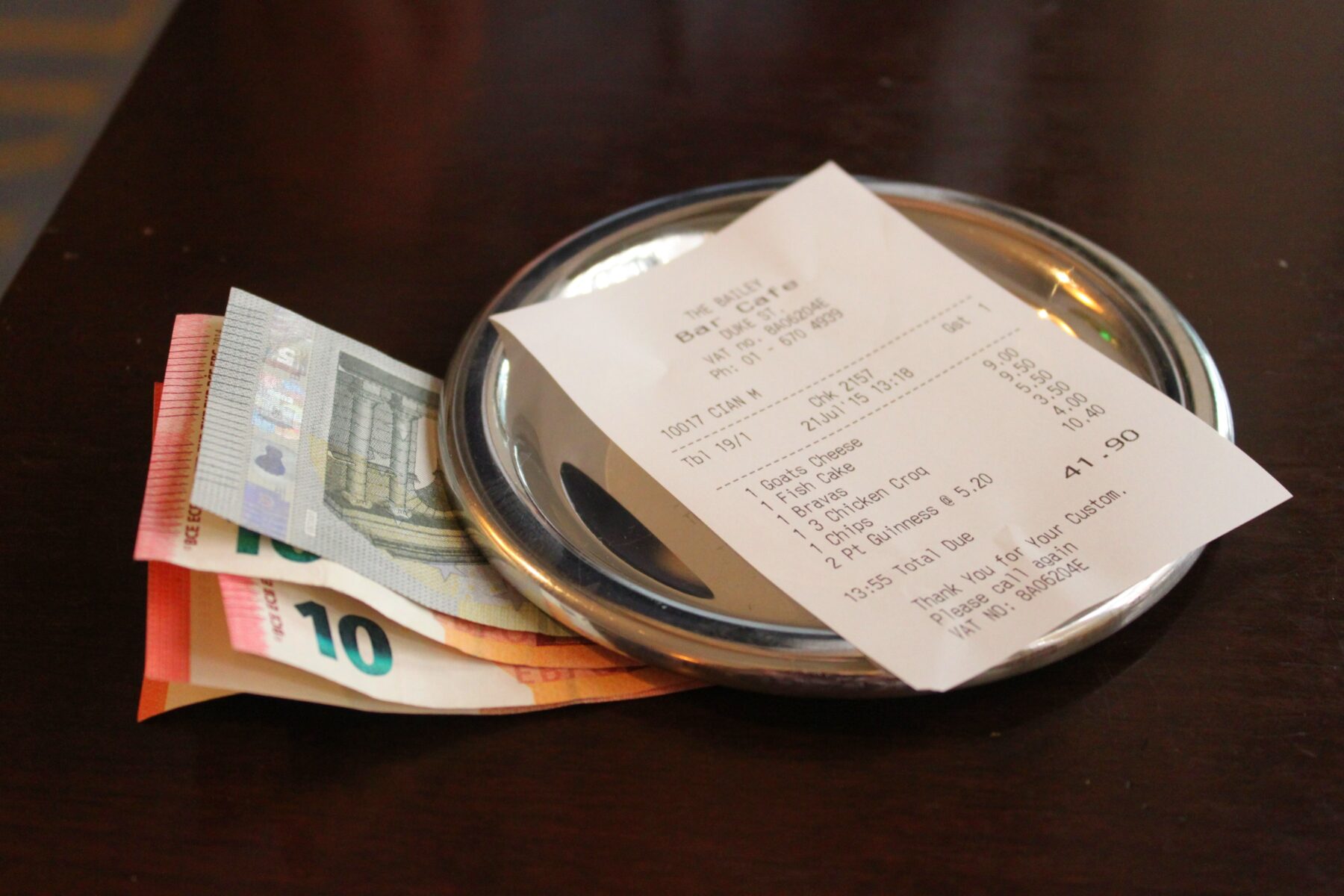
Meanwhile, savvy diners are learning to order confidently and politely decline unnecessary upsells. Industry advocates suggest recognizing that your final bill reflects more than just comfort food—it’s also a receipt for every social assumption your server made about your appetite and spending preferences.
Recognition beats resignation. Next time you’re dining out, notice the subtle patterns in server suggestions and your responses. Understanding these dynamics helps level the playing field, one meal at a time.