

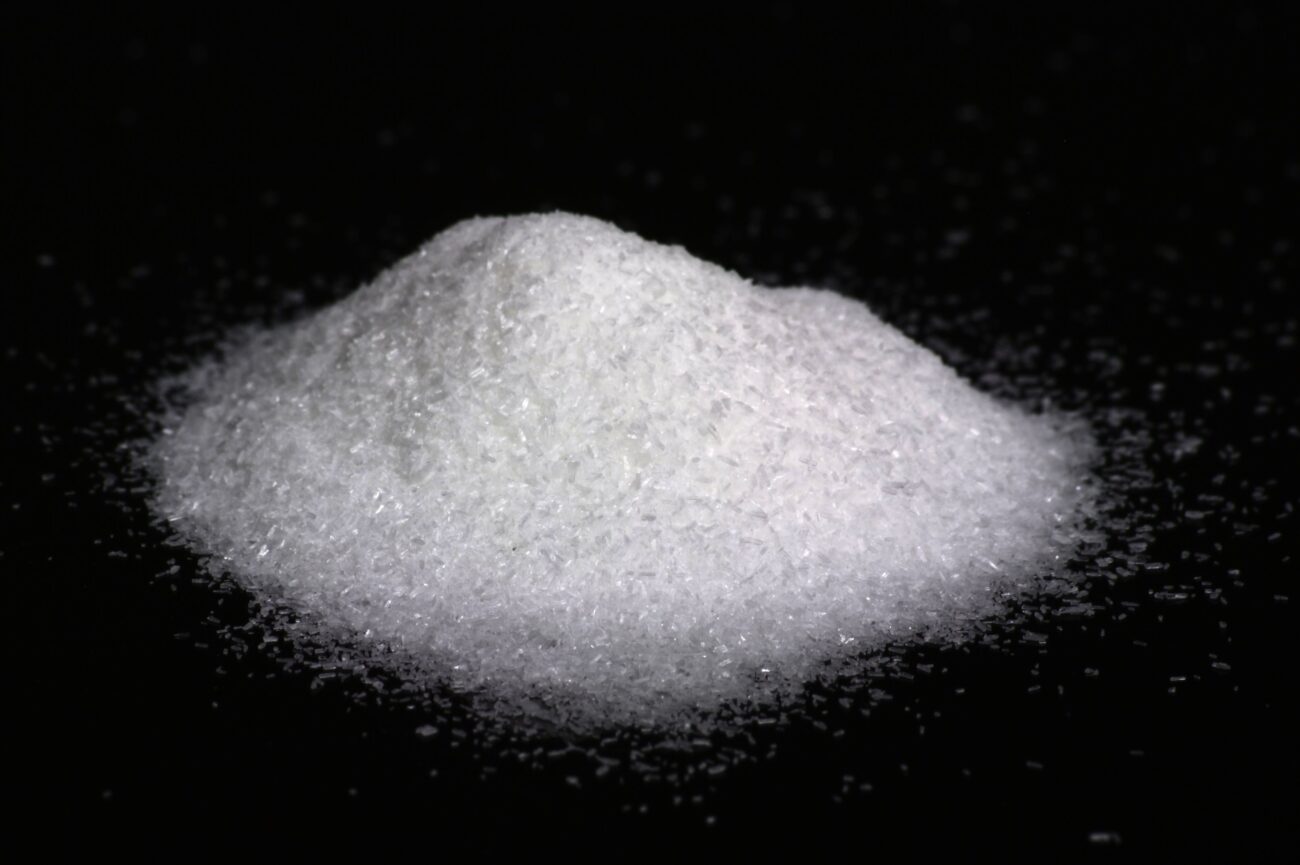
While home cooks wrestle with bland weeknight dinners, professional kitchens rely on a crystalline powder that transforms ordinary ingredients into crave-worthy dishes. That powder is MSG – and despite decades of misconceptions, it’s the missing link between your cooking and restaurant-quality flavor.
The Professional Secret
Professional kitchens treat MSG like premium salt—a precise tool for amplifying existing flavors rather than masking them.
Chefs don’t dump MSG into everything. They use it strategically, typically just a pinch per recipe, to enhance what’s already there. Ground beef becomes meatier, roasted vegetables develop deeper sweetness, and broths gain the satisfying fullness that usually requires hours of simmering.
This magic lies in MSG’s ability to activate umami receptors on your tongue, amplifying savory flavors without adding its own distinct taste. Unlike exotic seasonings that cost a fortune, MSG delivers restaurant-level results from a $3 container.
The ingredient works before, during, or after cooking—mixed into burger patties, stirred into pasta sauce, or sprinkled on vegetables before roasting.
Quick Application Guide:
- Mix into ground meat for juicier burgers and meatballs
- Add to soup bases for instant depth
- Enhance sauces and gravies to eliminate flatness
- Sprinkle on vegetables before grilling or roasting
- Use sparingly—excess creates metallic, bitter notes
Beyond the Myths
Research spanning decades confirms MSG poses no health risks for the vast majority of people, debunking xenophobic claims.
The FDA, along with extensive clinical studies, has repeatedly confirmed MSG’s safety. Any negative reactions are typically linked to overall sodium content or other ingredients, not MSG itself.
The “Chinese Restaurant Syndrome” myth stems from a 1968 letter misattributing symptoms to MSG—a claim that rigorous double-blind studies have thoroughly debunked.
MSG is chemically identical to glutamic acid found naturally in Parmesan cheese, tomatoes, and mushrooms. You’re already eating it in soy sauce, fish sauce, and countless processed foods. The difference is purity and control.
Celebrity chefs like David Chang now openly champion MSG, calling it “magic” and including it in mainstream cookbook recommendations. This rehabilitation isn’t just culinary—it’s cultural, representing a broader embrace of evidence-based cooking over food fear-mongering.
Start with a light hand, treat it like finishing salt, and prepare for the difference a single ingredient can make in your weeknight cooking game.