


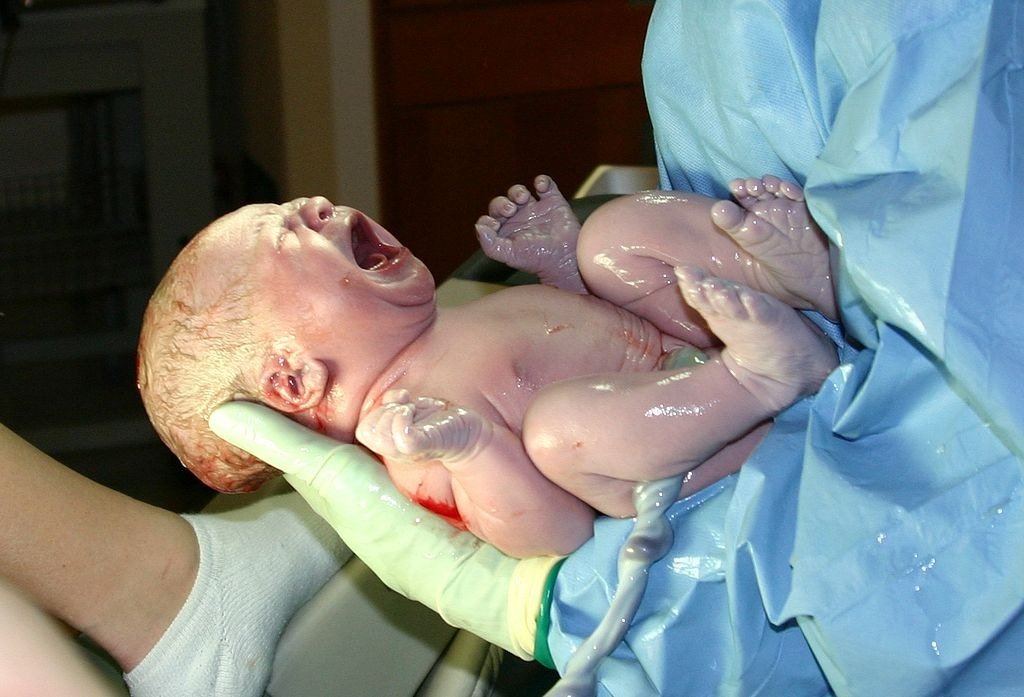
Picture opening your hospital bill after welcoming your newborn and finding a $400 charge labeled something like “skin-to-skin contact” or “holding baby.” Many parents feel frustrated—did they seriously charge you to hold your own child?
The Real Story Behind the Outrageous Charge
The viral “$400 to hold your baby” stories stem from hospitals using deliberately vague language to describe CPT Code 99464. This medical billing code actually covers “attendance at delivery and initial stabilization of newborn”—not parental bonding time. The charge compensates a pediatrician or neonatal nurse for standing by during delivery, ready to intervene if your baby needs immediate medical attention.
Hospitals know most exhausted new parents won’t decode their cryptic billing language. They’ll list 99464 as “newborn care” or worse, something that sounds like a parental contact fee, banking on families paying without question.
The Hospital Menu of Newborn Charges
Beyond the infamous 99464, expect to see these CPT codes on your maternity bill:
- 99460 – Initial daily newborn care management
- 99462 – Follow-up newborn care on subsequent days
- 99464 – Delivery attendance and stabilization (the “holding” controversy)
- 99465 – Delivery room resuscitation (only if baby actually needed active intervention)
Each represents a separate billable service, turning your baby’s first moments into an itemized restaurant menu.
When Hospitals Play Defense
“We maintain skilled personnel on standby and provide extensive documentation,” hospitals typically respond when challenged. Translation: we need to maximize reimbursement from every possible angle to cover our overhead costs. Insurance companies and billing departments rely on patient confusion—most people won’t contest charges they don’t understand, especially during emotionally overwhelming moments like childbirth.
The gap between medical necessity and billing reality creates perfect conditions for these misleading practices to flourish.
Fight Back Against Junk Fees
According to Healthcare Financial Management Association recommendations, request your complete itemized bill before leaving the hospital. Challenge any charge with vague descriptions by demanding plain-English explanations. Most hospitals have wide discretion to adjust or remove questionable fees, particularly for self-pay patients.
The “$400 baby-holding fee” isn’t technically fraud—it’s billing opacity designed to extract maximum payment from vulnerable families. Knowledge of what those codes actually mean gives you the power to push back.