

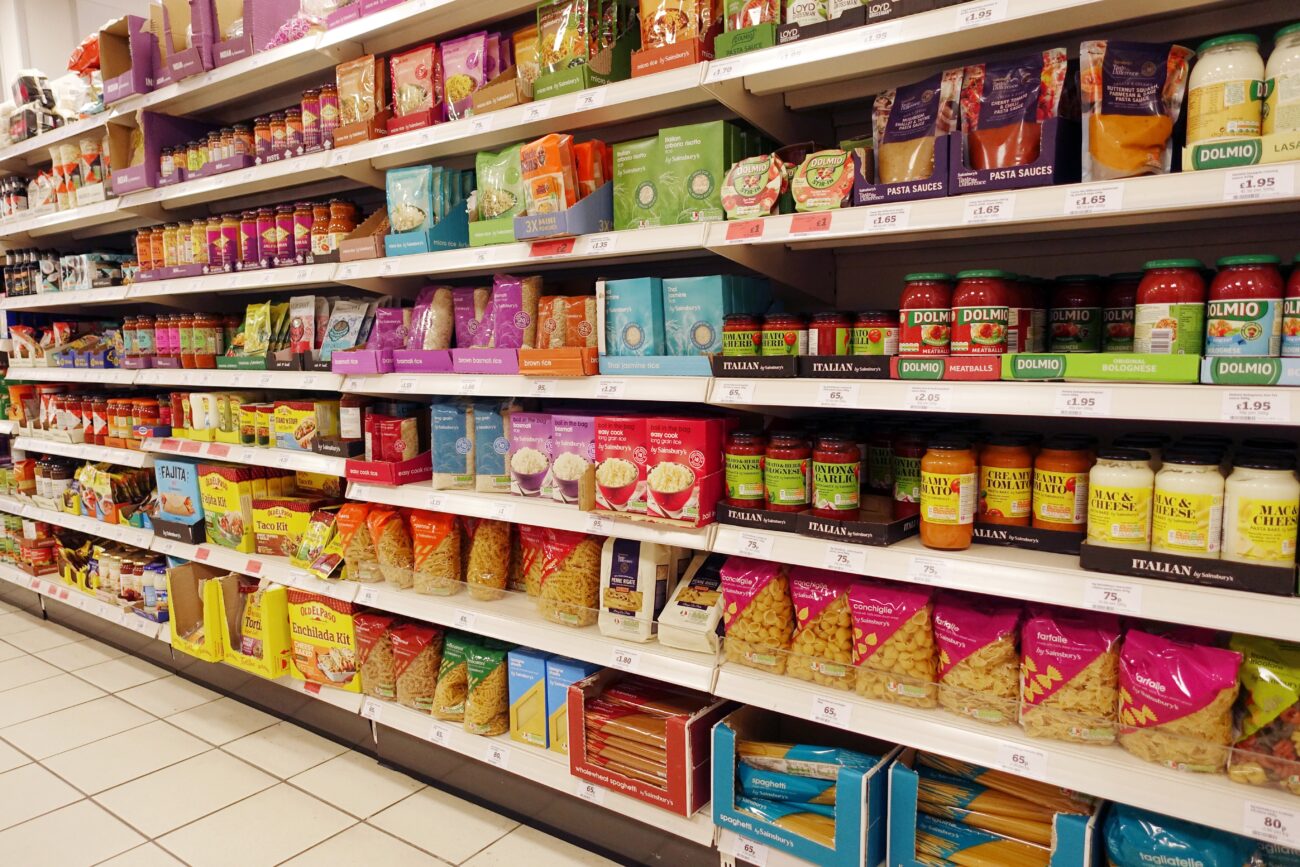
That slow Saturday morning wander through Whole Foods isn’t about forgotten milk. Women transform routine grocery runs into private sanctuaries—spaces where small rebellions unfold between organic produce and artisanal crackers. These aren’t shopping trips; they’re carefully orchestrated acts of personal reclamation, hidden in the most mundane of settings.
The Therapeutic Aisle Escape
Grocery stores become sensory therapy sessions offering rare autonomy.
The psychology behind these rituals runs deeper than meal planning. Research findings suggest many women view these excursions as therapeutic escapes, providing sensory immersion and control when other life domains feel constrained by external demands. You’re not just buying that $8 chocolate bar—you’re purchasing 15 minutes of uninterrupted decision-making power.
The colors, scents, and textures of food aisles create a meditative environment where women can exercise agency over what to indulge in, how to indulge, and when to break their own rules. This sensory experience transforms a practical errand into something approaching self-care therapy, offering stress reduction and creative inspiration distinct from other daily responsibilities.
Secret Acts of Self-Reward
Small indulgences become discreet rebellions against societal expectations of feminine thrift.
These shopping rituals remain deliberately private because societal expectations still implicitly link “good” femininity to self-sacrifice and providing for others—not personal indulgence, as food culture researchers have noted. That boutique wine tucked quietly into the cart? It’s camouflaged rebellion.
Women curate these moments carefully:
- Midnight grocery dates with girlfriends at 24-hour stores
- Solo wandering sessions that stretch a 20-minute errand into an hour-long mental health break
The pleasure gets tempered by judgment, creating a complex dance between desire and guilt.
Research shows women who enjoy grocery shopping are often planners and sensory seekers who use conscious consumption to express personal values—turning necessity into adventure. They’re more likely to budget carefully while still allowing for small splurges that balance thrift with pleasure.
The grocery store remains one of the few accessible spaces for meaningful acts of agency disguised as domestic duty. These aren’t frivolous habits—they’re micro-resistances in a world demanding constant productivity and perfection, where mundane moments become opportunities for quiet rebellion and self-preservation.