

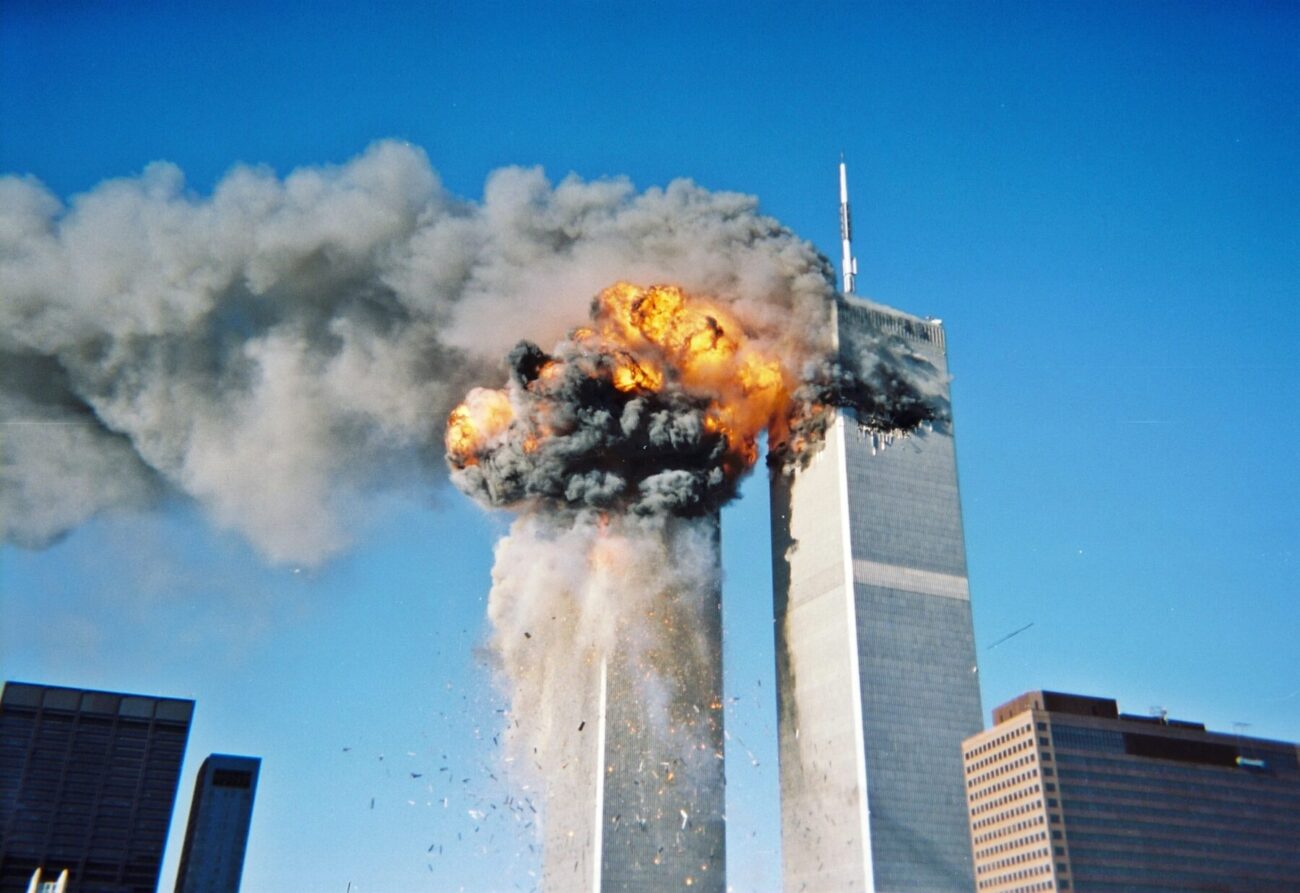
Twenty-three years later, the children who lost parents on September 11th aren’t just surviving—they’re healing others. Cait Leavey organizes community art projects where kids paint stars honoring local heroes. Elizabeth Miller travels to Guantánamo Bay observing military tribunals, pushing for transparent justice.
What started as programs to help grieving children has evolved into something more powerful: a generation of professionals who understand trauma from the inside out.
Organizations like Tuesday’s Children provided crucial support from childhood through adulthood, offering peer mentoring and career guidance. Now these same children, grown into their twenties and thirties, have chosen careers that directly address trauma, injustice, and healing.
From Firefighter’s Daughter to Trauma Specialist
Cait Leavey channels her father’s legacy of service into specialized counseling for first responder families.
Leavey lost her firefighter father at age seven. Today, she works as a mental health counselor specializing in trauma, focusing specifically on first responder and military families. Her approach mirrors her father’s positive influence—she aims to bring out “sunshine” in every child she counsels, according to the 9/11 Memorial & Museum.
Her healing work extends beyond individual therapy. Leavey organizes the Spirit of 9/12 community art event, where participants create memorial artwork.
This blend of art therapy and community building reflects a sophisticated understanding of collective healing that she developed through programs like America’s Camp, designed specifically for children of 9/11 victims.
Advocacy Born from Early Loss
Elizabeth Miller transformed childhood grief into systemic challenges to post-9/11 detention policies.
Miller was six when she lost her firefighter father. Unlike some survivors who found solace in traditional remembrance, Miller grew uncomfortable with the secrecy and indefinite detention that followed 9/11.
She joined September 11th Families for Peaceful Tomorrows, advocating for plea deals over endless legal battles and transparent resolution for families still seeking closure.
Her advocacy takes her to places most Americans never see. Miller has observed military tribunal proceedings at Guantánamo Bay, witnessing firsthand the legal machinery that emerged from her personal tragedy. This direct engagement represents a shift from private grief to public accountability—using loss as leverage for systemic change.
Recent advances in DNA identification continue bringing closure to families, with three more victims identified just this year, according to New York City officials. Yet for advocates like Miller, the work extends beyond identification to ensuring justice processes remain transparent and accountable to those most affected.
These adult children of 9/11 represent something unprecedented: a generation that channels inherited trauma into professional competence, turning the worst day in recent American history into careers dedicated to healing others.