

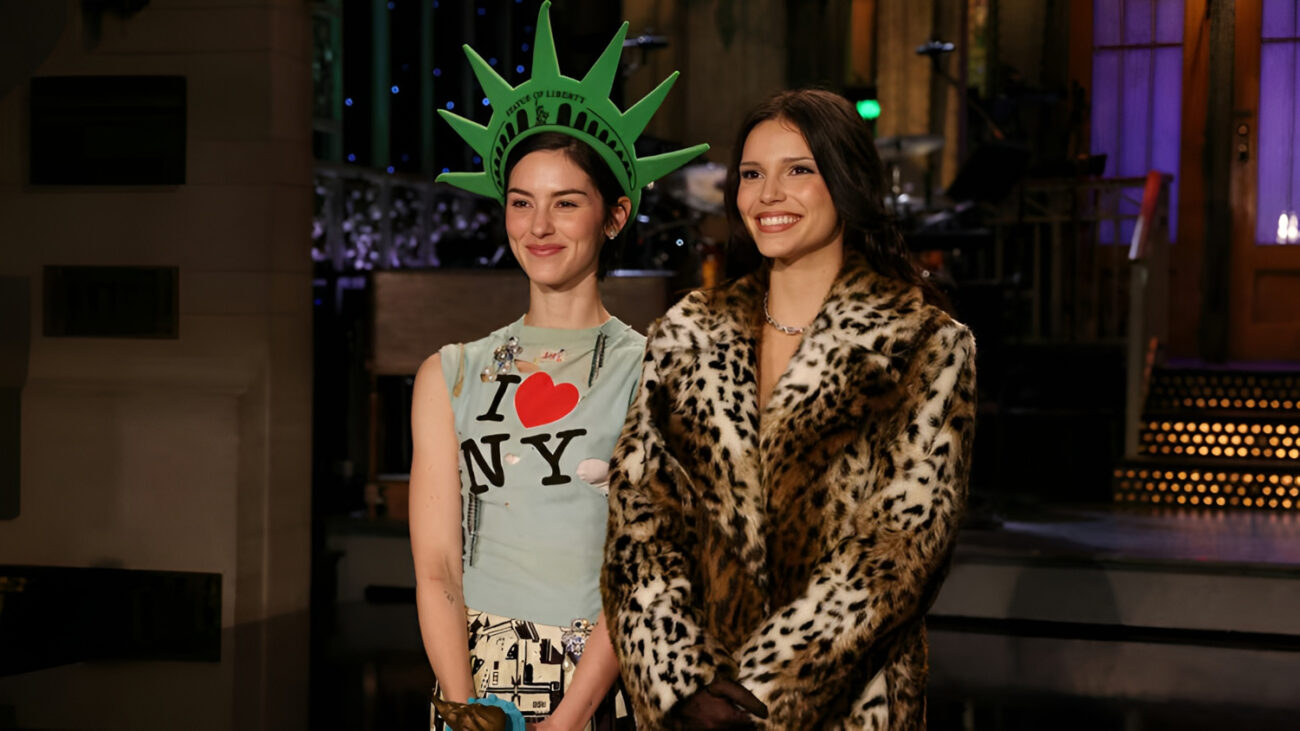
Anyone who has paid a baggage fee for the right to carry a free flight perks onto a plane has already encountered the logic that SNL’s “Delta Disruptive” sketch skewers. The fake commercial — which aired during Inde Navarrette’s Season 52, Episode 4 hosting debut — proposes a dedicated cabin section for unruly passengers, sealed behind four inches of plexiglass and staffed by what the sketch implies are flight attendants who’ve seen things. The premise sounds absurd. It isn’t, really. The fictional Delta spokesperson’s stated rationale, as reported by The Atlantic, is the whole joke in five words: “We still wanted their money.”
What “Delta Disruptive” Actually Does
Ashley Padilla sells chaos like a premium upgrade — and that’s precisely the point.
Ashley Padilla plays the cheerful, dead-eyed fictional airline spokesperson, pitching the service with the confidence of someone announcing a new boarding group. Behind the plexiglass: passengers ignoring seat assignments, conspiracy theorists, apparent drug use — including one passenger rolling a joint — and a biting comfort iguana that Kenan Thompson’s flight attendant is left to handle. Mikey Day appears among the disruptive passengers, though the sketch populates the chaos cabin with an ensemble of offenders. Vulture noted the sketch’s dense joke succession, describing it as moving at “a million jokes a minute,” with characters acting like normal humans for roughly two seconds before reverting completely.
Key documented details:
- FAA unruly-passenger reports peaked at 5,973 in 2021, up from 1,161 in 2019, according to Transportation Research Board data drawn from FAA figures
- 2025 figures — recorded at approximately 1,621 — remain more than 40 percent above the pre-pandemic baseline, per the same Transportation Research Board presentation
- The FAA notes its database includes only incidents reported to the agency, and reporting is at the crewmember’s discretion; the figures do not represent a complete census of every disruptive event
- The fictional “Delta Disruptive” service is satirically restricted to domestic flights within Florida
- The sketch aired as SNL Season 52, Episode 4, during Inde Navarrette’s hosting debut
The Joke That’s Not Quite a Joke
When every inconvenience becomes a market segment, satire runs out of room to work.
The fake-commercial format is doing heavier lifting than it first appears. SNL isn’t simply mocking bad passengers — it’s indicting the commercial logic that treats every degraded travel experience as a revenue opportunity. Carry-on fees, exit-row surcharges, basic seat selection charged as an add-on: the unbundling of airline services has advanced to the point where a tolerable flight increasingly resembles a premium product rather than a standard one.
That is the feedback loop the sketch exposes. Cramped, monetized cabins generate frustration. Extreme incidents become highly visible online, amplified across social platforms before the flight even lands. And the industry’s proposed remedies can look less like genuine fixes and more like new revenue lines — which is, of course, the joke.
The real sting is that audiences recognize the logic instantly. No explanation required. When satire hits that register — when the joke lands before the punchline even arrives — it signals that the thing being mocked has already normalized itself. “Delta Disruptive” works because the fictional chaos cabin is structurally indistinguishable from the ancillary-fee strategies passengers already navigate every time they book a flight.