

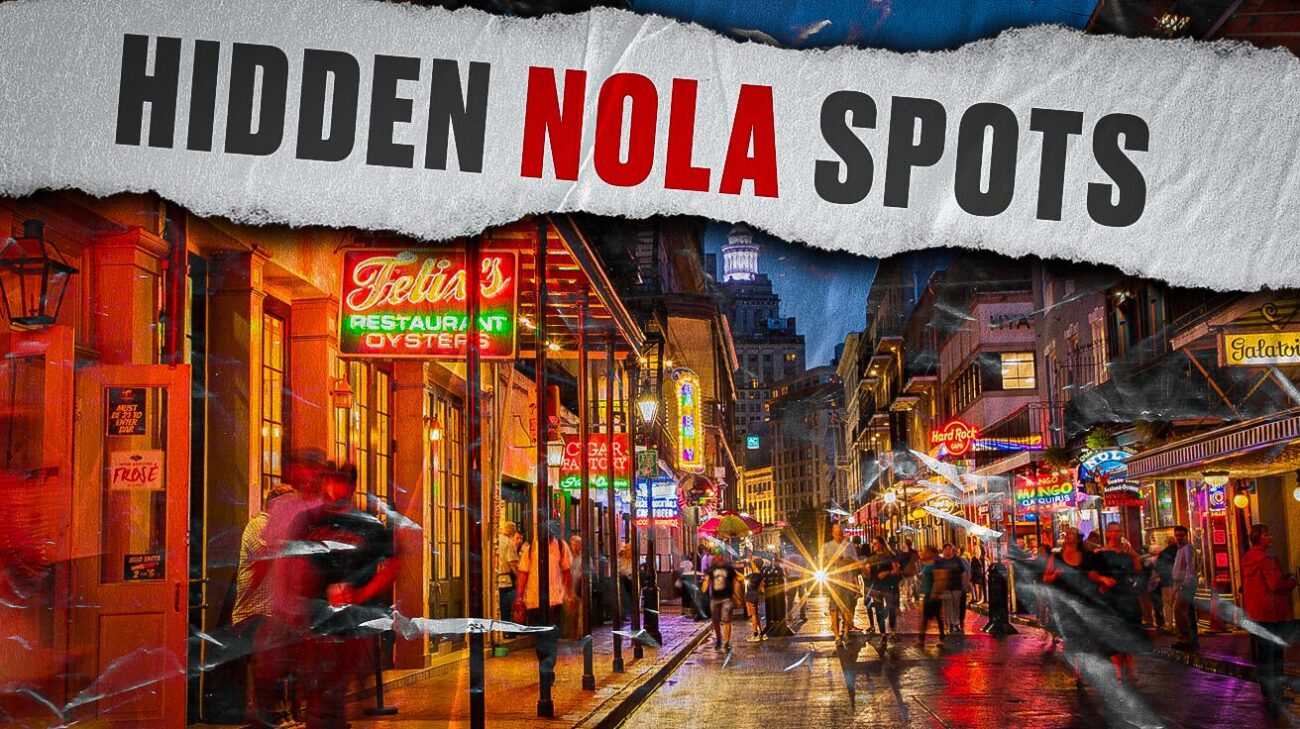
“The Big Easy” isn’t just a nickname; it’s a promise of experiences layered like the city’s iconic beignets, dusted with charm and a touch of decadence. New Orleans offers an intoxicating mix of culinary, musical, and cultural heritage that seduces travelers and food lovers alike. This guide curates that vibrant intersection, highlighting landmarks from Jackson Square to the soulful depths of Frenchmen Street. Like a jazz riff building to a crescendo, these places promise to ignite the senses and deepen connections to a city where every meal tells a story.
12. Louis Armstrong Park

Where jazz was born and cultures still converge in the heart of New Orleans.
Louis Armstrong Park enshrines the birthplace of jazz near Congo Square, reminding visitors that in the 1800s, this green space was a crucial gathering point for enslaved people. The echoes of their rhythms still seem to blend with the trumpet notes of the great Louis Armstrong himself.
Anyone who’s ever strolled through a place vibrating with history knows the feeling. Here, monuments and historic markers pay homage to that past, creating a space where music and memory intertwine. Take an afternoon to wander, and let the city’s soulful spirit serenade you. The story of jazz unfolds right where it all began.
11. Marie Laveau’s House
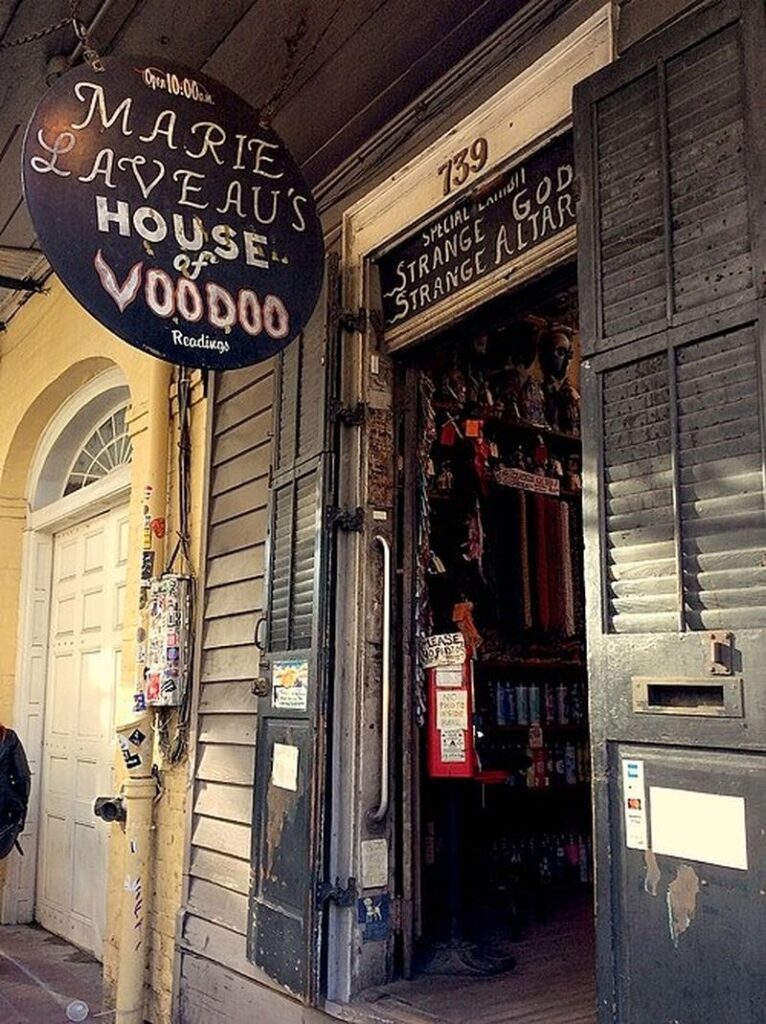
Hair ties and mystique mark this shrine to New Orleans’ legendary Voodoo queen.
A simple strand of plastic loops around iron bars at Marie Laveau’s House, where visitors perpetuate a tradition of leaving hair ties as offerings to the Voodoo queen. This practice blends history and mystique, solidifying the house’s place in New Orleans’ spooky narrative.
For anyone strolling through the French Quarter—where jazz notes and wrought-iron balconies compete for attention—a stop at Laveau’s residence connects visitors to the city’s deeper, mystical roots. Contributing to the ongoing saga by adding a hair tie ensures Laveau’s spirit, like a good gumbo, continues to simmer.
10. Jackson Square
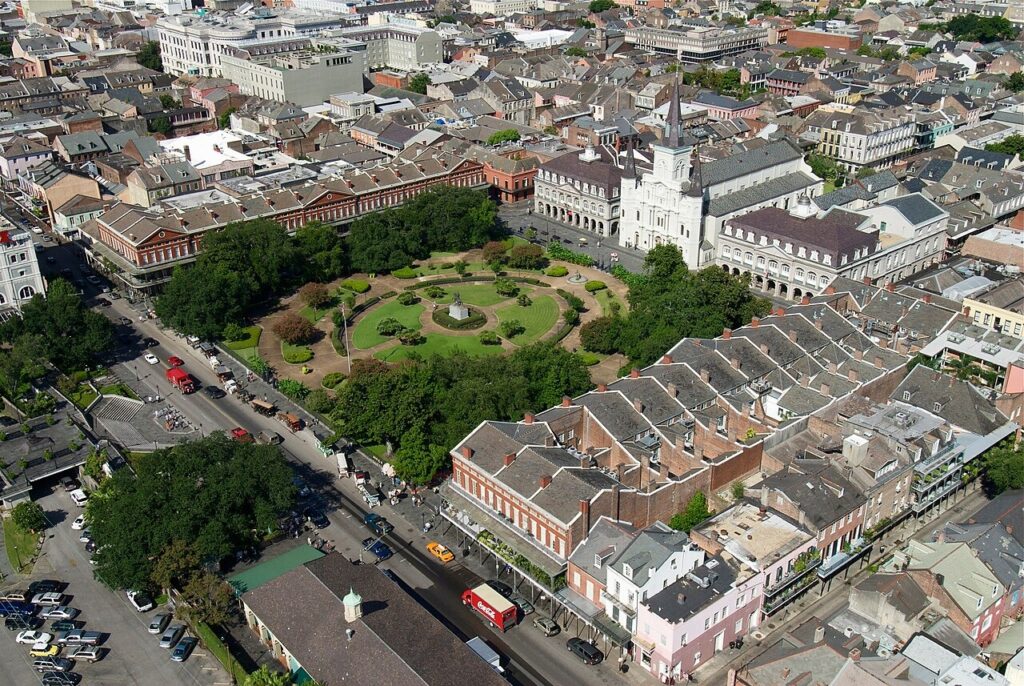
The beating heart of the French Quarter where art, music, and beignets collide.
Jackson Square serves as the first stop for many visitors, evoking European city squares with a distinctly New Orleans vibe. This lively gathering place pulses with music filling the air, art lining the walkways, and the aroma of fresh beignets drifting from nearby Café du Monde.
The square transforms into a stage where the soul of the city unfolds against the backdrop of the historic St. Louis Cathedral. Strolling in from the French Quarter, drawn by a trumpet solo, visitors become part of a scene plucked from a movie—a place where every corner holds a story and the city’s pulse blends art, history, and the irresistible scent of powdered sugar.
9. Cafe du Monde
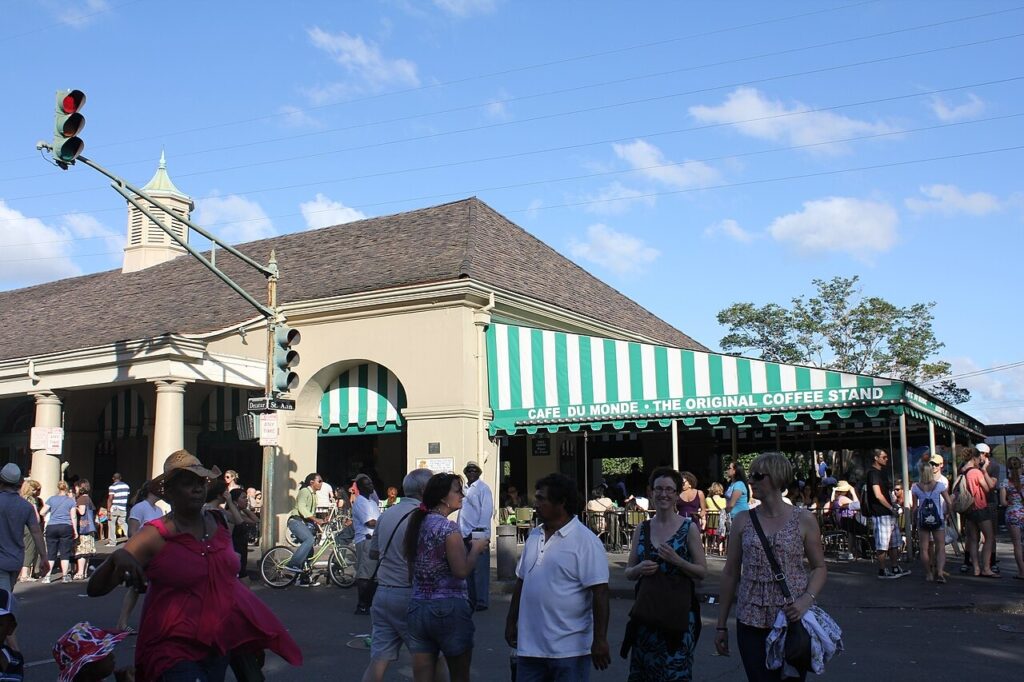
Since 1862, this French Market institution has been dusting dreams with powdered sugar.
Café du Monde has been more than just a coffee shop since 1862; it’s a cultural landmark where the aroma of café au lait mingles with whispers of New Orleans history. Nestled in the French Market, it’s the go-to spot for beignets—those puffy pillows of fried dough dusted with enough powdered sugar to make it snow indoors.
Anyone who’s tried to maintain a tidy outfit while devouring these treats knows the drill—a sugary cloud descends, transforming diners into delicious-looking snowmen. The magic isn’t in pristine eating; it’s in soaking up the chaos, history, and simple joy of a New Orleans institution. Every sugar-coated finger becomes a badge of honor.
8. Voodoo Walking Tour
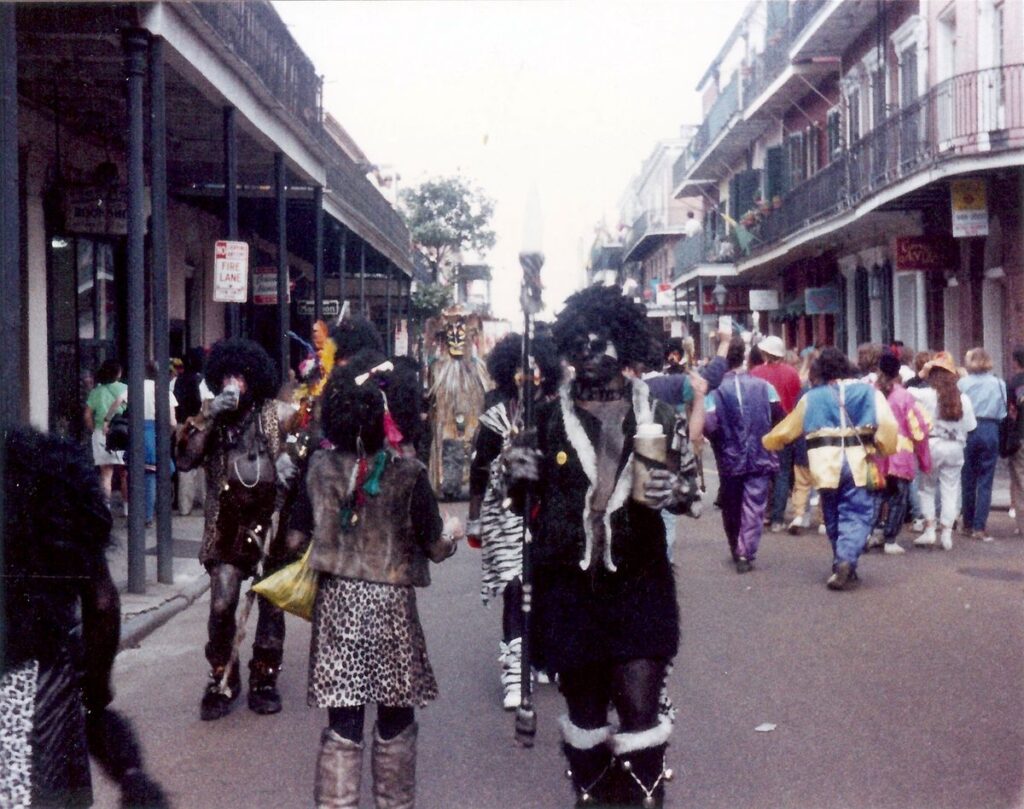
Step into mystical folklore where shadows play as much a part as history itself.
These tours offer a chance to step into the city’s mystical past, like stumbling into a time-bending jazz riff. Available through French Quarter Phantoms, they guide wanderers through cobblestone streets where anyone curious about New Orleans’ spooky side finds answers.
The storytelling creates masterclass atmosphere, each question answered becoming a step deeper into folklore. These aren’t just tours; they’re explorations where shadows dance with history. According to local legend, listeners can almost hear whispers of the past echoing through the historic French Quarter.
7. Garden District

Tree-lined streets and grand mansions whisper tales of the Old South.
The Garden District showcases magnificent historic mansions standing as proud testaments to a bygone era. These aren’t just houses; they’re time capsules—each with ghost stories and architectural quirks.
Wandering past charming cottages where jasmine-scented breezes carry echoes of laughter from porch swings creates a feast for the eyes. Strolling along First Street, capturing the interplay of sunlight and shadow on stately homes, feels like a symphony of styles and a soulful reminder that some places refuse to fade, much like a beloved blues riff on a humid summer night.
6. Ruby Slipper
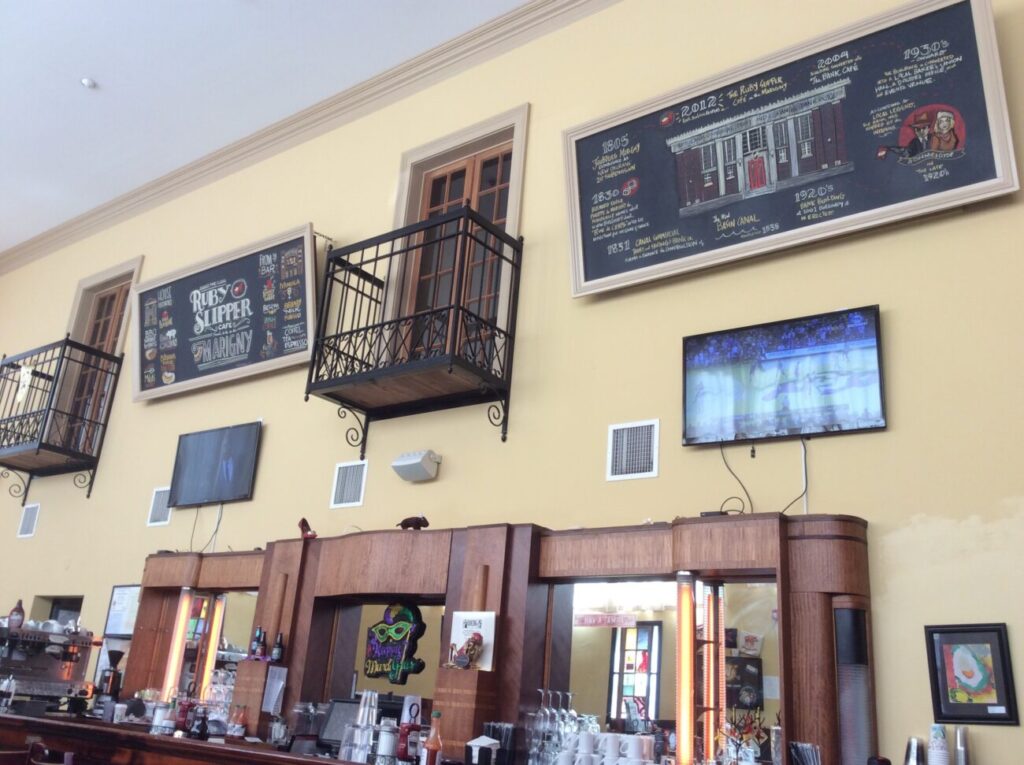
From humble New Orleans beginnings to over 20 locations spreading Southern hospitality.
What started as a neighborhood gem now boasts over 20 locations across the South, each serving up NOLA hospitality. After a night of jazz in the French Quarter, the aroma of Creole spices calls visitors into a parade of fluffy pancakes, eggs Benedict with a Cajun twist, and strong, chicory-laced coffee.
Anyone who’s followed their nose to a breakfast mecca knows how quickly a simple meal turns transcendent. The food remains scrumptious, portions hearty, and atmosphere as warm as a Louisiana summer. The magic transports diners straight to the heart of New Orleans.
5. Court of Two Sisters
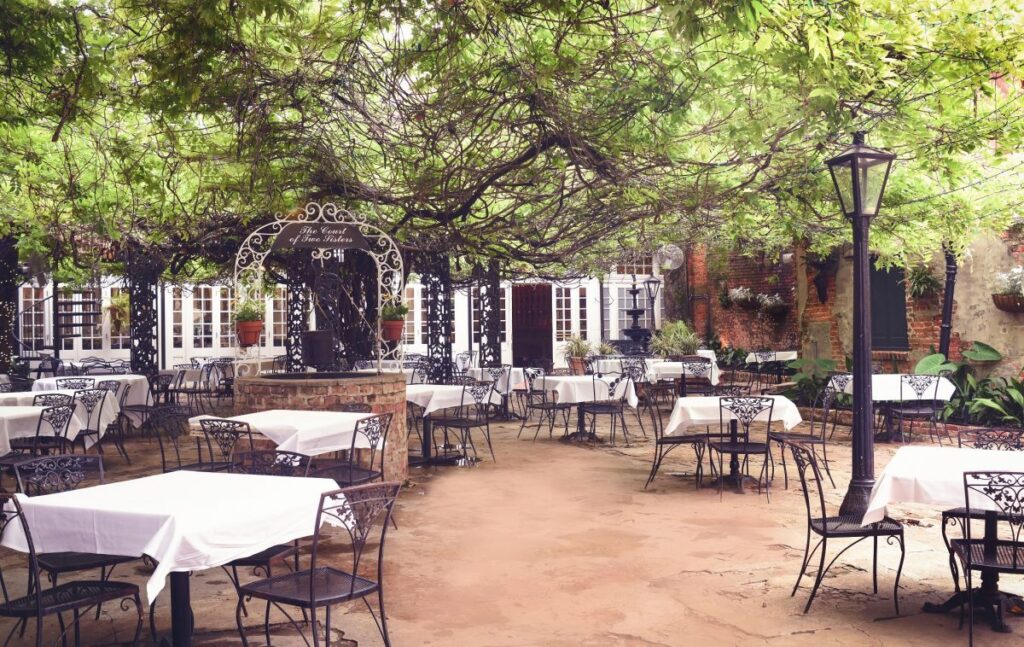
Daily jazz brunch buffets transform meals into vibrant musical celebrations.
Jazz brunches in New Orleans are like moveable feasts in ears and on plates. At the Court of Two Sisters, the daily jazz brunch buffet sets a scene both grand and intimate. Wandering through a lush courtyard, plate in hand, as live jazz fills the air creates unforgettable moments.
The possibility of jazz bands serenading tables while vocalists join in becomes so memorable that diners find themselves swaying to music with bellies full of Creole delights. It’s the kind of place where regular brunches transform into vibrant celebrations of New Orleans’ rich musical and culinary soul.
4. Po’ boy

New Orleans history you can hold in one hand—if you can handle the delicious mess.
Biting into a symphony of flavors—crispy fried shrimp, ripe tomatoes, shredded lettuce, and tangy remoulade embraced by pillowy French bread—the po’ boy delivers New Orleans history in handheld form. More portable than a jazz parade, it’s perfect for sightseeing from Jackson Square to the French Market.
A fully dressed po’ boy can be drippy, and navigating crowded streetcars with a loaded sandwich isn’t the slickest move. But consider this: how many other handhelds deliver a full Creole feast between two crusty halves? The challenge lies in finding one that lasts longer than it takes to say “laissez les bon temps rouler!”
3. Antoine’s Restaurant

Since 1840, the birthplace of Oysters Rockefeller serves history with every bite.
Antoine’s has been serving French Creole cuisine since 1840, a culinary landmark with museum-like charm. Stepping into this time capsule where old-world elegance meets tantalizing aromas of classic dishes feels like more than a meal—it’s a culinary pilgrimage.
Anyone who’s fantasized about dining with ghosts of gourmands past feels at home here. As the birthplace of Oysters Rockefeller, Antoine’s doesn’t just serve food—it serves history. Tours of the premises offer glimpses of a bygone era, as savory as the French Creole cuisine they’ve perfected for generations.
2. Frenchmen Street
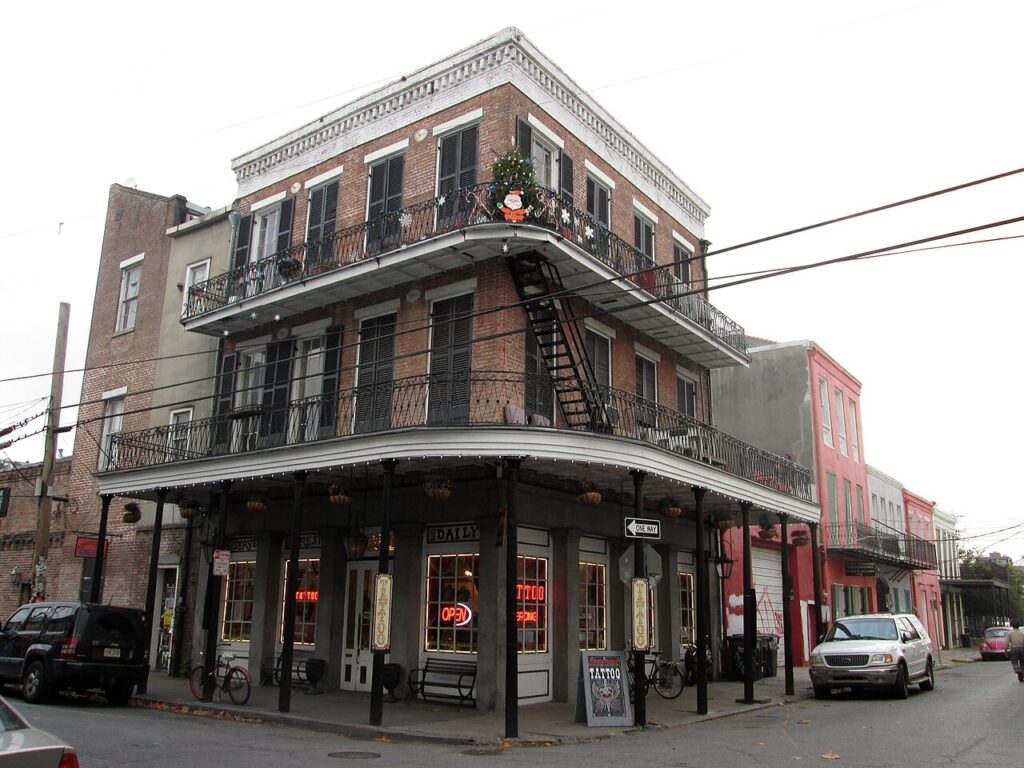
A bohemian counterpoint to Bourbon Street where jazz riffs mingle with street art.
Live music coalesces with art every night on Frenchmen Street, offering a bohemian alternative to Bourbon Street’s neon excess. Treasures like Maison Bourbon and The Spotted Cat create jam sessions where everyone’s invited.
Instead of mass-produced souvenirs, the Frenchmen Art Bazaar offers original works under the stars. From 7 PM to midnight, the street transforms into an open-air gallery where visitors explore art and books accompanied by drinks. Finding handcrafted pieces that capture the city’s spirit feels like discovering the soul of New Orleans rendered in paint.
1. Bourbon Street
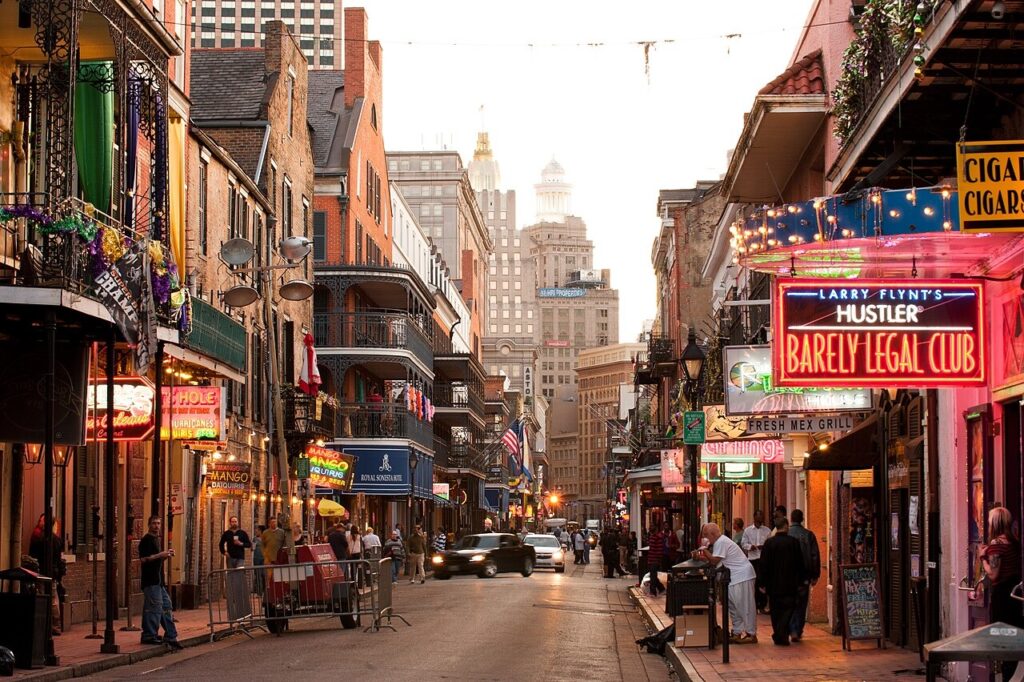
Where the oldest bars in America serve signature cocktails and endless stories.
As the epicenter of New Orleans’ nightlife, Bourbon Street delivers vibrant experiences at bars like Fritzel’s European Jazz Bar alongside lively street parties. Lafitte’s Blacksmith Shop, among the oldest bars in the U.S., serves their signature “voodoo daiquiri.”
The magic comes with a price: expect raucous revelry stretching late into the night, as if parties never end. Yet ducking into a piano bar with washboard players for impromptu open mic sessions while cradling cocktails creates the kind of spontaneous performances that make memorable evenings worth sharing.