

The TSA screened over 858 million passengers in 2023, and if airport security lines could talk, they’d probably sound like a broken record: “Please remove your laptop,” “Liquids over 3.4 ounces,” and “Sir, that’s definitely not going to fit.” Most carry-on chaos stems from the same predictable mistakes that turn smooth departures into gate-running marathons.
13. Ignoring Airline Size Restrictions
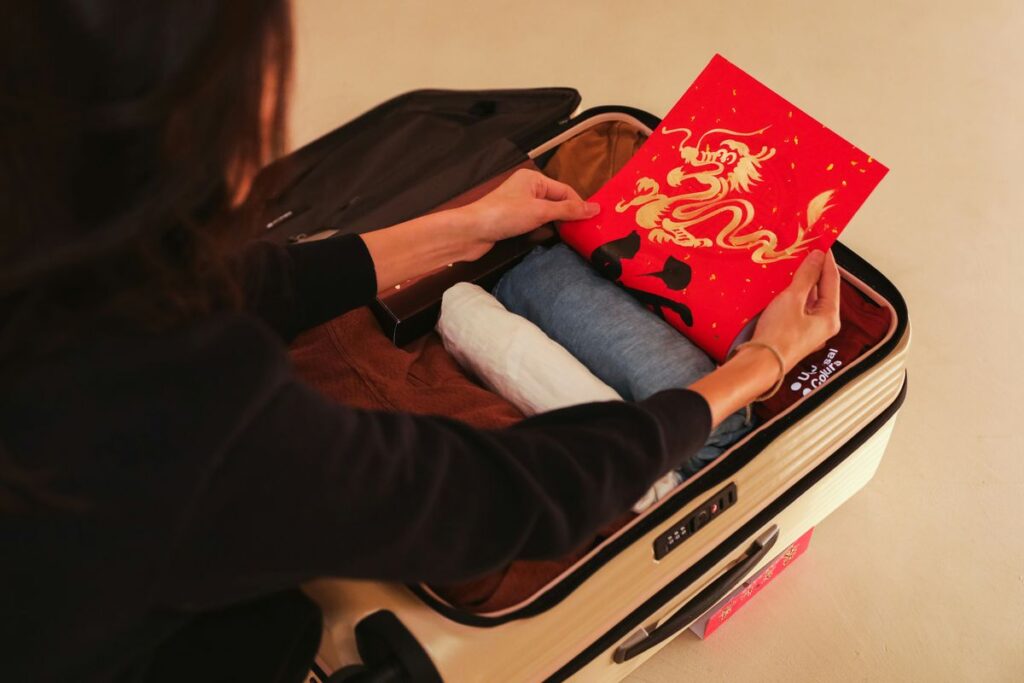
Every airline plays by slightly different rules, and assumptions cost you boarding passes.
Airlines publish carry-on dimensions for a reason, yet travelers routinely show up with bags that barely squeeze through their bedroom door, let alone an overhead bin. American Airlines allows 22″ x 14″ x 9″, while Spirit caps theirs at 22″ x 18″ x 10″. That two-inch difference between width and depth can mean the difference between boarding and paying $65 for gate-checking your overstuffed duffel.
Budget carriers especially love catching oversized bags—it’s a revenue stream disguised as enforcement. Measure your bag at home with an actual ruler, not optimistic eyeballing.
12. Packing Full-Size Toiletries

The 3-1-1 rule isn’t a suggestion, and security agents have seen every creative interpretation.
TSA’s liquid restrictions allow containers of 3.4 ounces or smaller, all fitting in one quart-sized bag. Yet passengers consistently arrive with full bottles of shampoo, convinced their $40 serum deserves special treatment. Security doesn’t care about your skincare budget.
Transfer essentials into travel-sized containers before you leave home. Hotel amenities exist for a reason, and most destinations sell toothpaste. Your carry-on space is too valuable to waste on liquids you can replace anywhere.
11. Forgetting Laptop and Electronics Rules

Security checkpoints aren’t the place to discover your tablet counts as a large electronic device.
Laptops must come out of bags at most checkpoints, but tablets larger than a smartphone also require separate screening. That iPad hiding in your backpack’s padded sleeve will trigger a bag check, delaying both you and everyone behind you in line.
Pack electronics in easily accessible compartments and remove them before reaching the conveyor belt. PreCheck expedites this process, but even then, some devices require individual screening based on size and battery capacity.
10. Overpacking Winter Coats and Bulky Items

Wearing your heaviest layer beats sacrificing half your bag’s capacity to a puffer jacket.
Winter travel tempts travelers to pack their entire closet, but carry-ons aren’t closets. That down jacket taking up a third of your bag space could be worn onto the plane instead. Gate agents won’t question your outfit choices, no matter how many layers you’re sporting.
Compression packing cubes help, but physics has limits. Wear heavy boots, thick sweaters, and coats during boarding. You can always adjust once you’re seated and the overhead bin is safely closed.
9. Neglecting Weight Limits
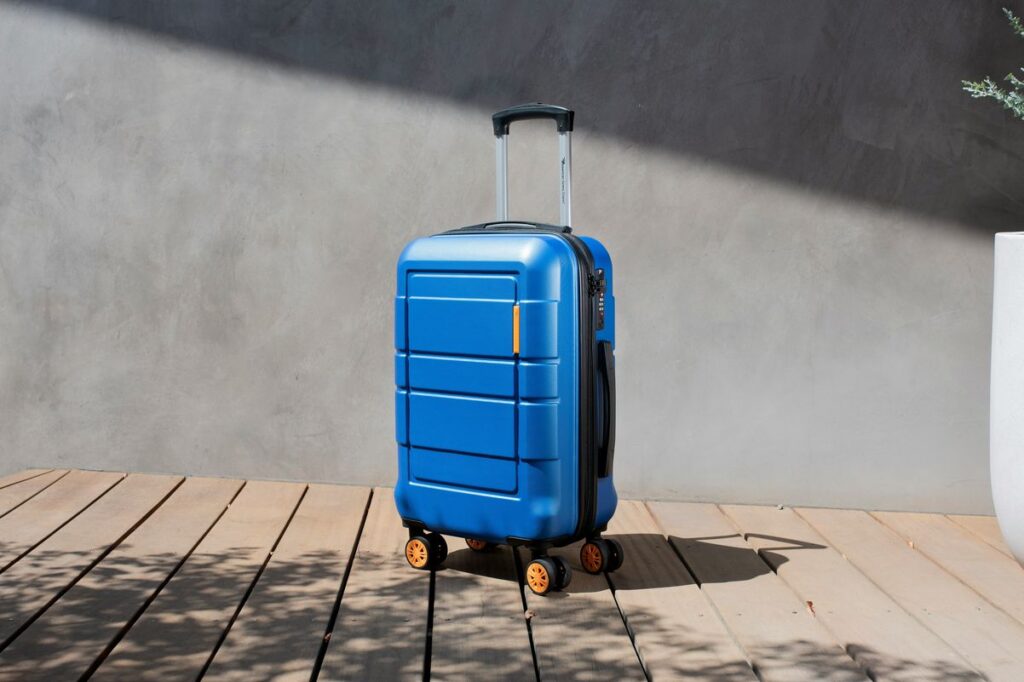
International carriers often enforce weight restrictions that domestic travelers never consider.
Most U.S. airlines focus on size over weight for carry-ons, but international carriers frequently impose 15-22 pound limits. That laptop bag packed with electronics, books, and souvenirs can easily exceed restrictions, especially on European budget airlines where enforcement is strict.
Weigh your packed bag at home using a luggage scale or bathroom scale. Redistribute items to checked luggage if you’re approaching limits, or prepare to make tough decisions at the gate.
8. Leaving Essentials in Checked Bags
Murphy’s Law loves lost luggage, and your presentation tomorrow won’t reschedule itself.
Checked bags get delayed, lost, or sent to entirely different continents with surprising regularity. Airlines reunite most bags within 24-48 hours, but that timeline doesn’t help when you need clean clothes or medications immediately upon arrival.
Pack one complete outfit, essential medications, phone chargers, and any business-critical items in your carry-on. Treat your checked bag like a bonus that might not arrive on schedule.
7. Packing Prohibited Items

TSA’s prohibited items list reads like a medieval weapons catalog, plus some surprising modern additions.
Pocket knives, scissors over 4 inches, and obviously dangerous items get confiscated daily, but lesser-known restrictions catch travelers off-guard. Snow globes, large batteries, and even certain tools can cause delays or confiscation.
Review TSA’s current prohibited items list before packing, especially if you’re traveling with work equipment, sporting goods, or gifts. When in doubt, check it or ship it separately.
6. Ignoring International Customs Restrictions

What’s legal to pack doesn’t necessarily mean it’s legal to import.
Domestic carry-on rules differ significantly from international customs regulations. That perfectly legal energy bar might contain ingredients banned in your destination country. Prescription medications, food items, and even seemingly innocent products can trigger customs issues.
Research destination-specific import restrictions, especially for medications, food products, and electronics. Many countries require prescriptions for certain over-the-counter medications, and agricultural restrictions vary widely between nations.
5. Poor Organization and Accessibility
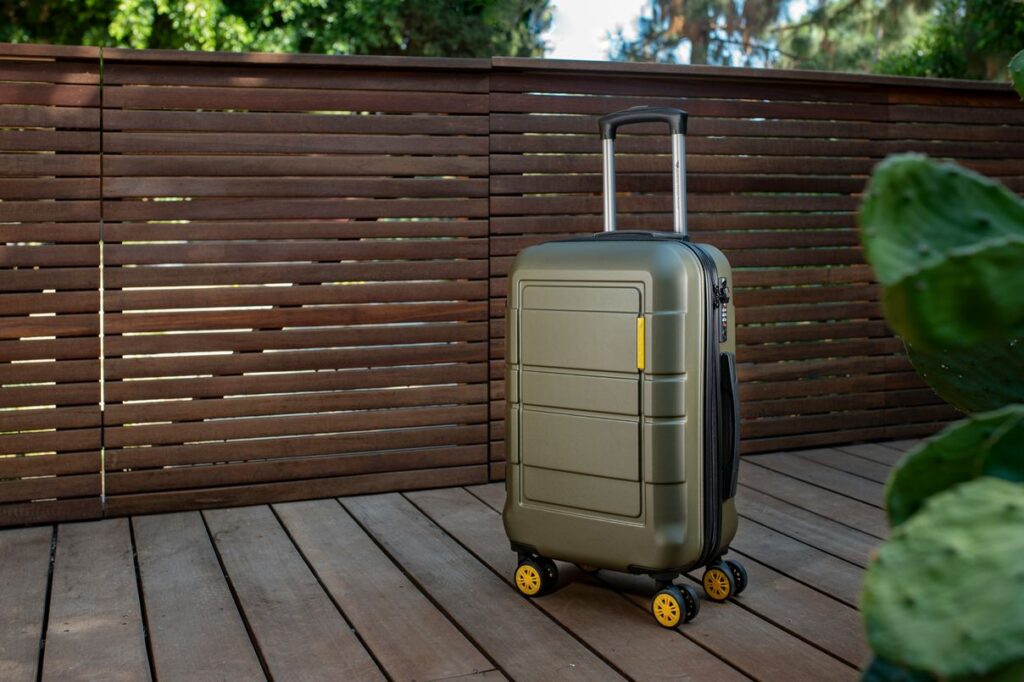
Airport security isn’t the time to play Tetris with your belongings.
Poorly organized bags slow down security screening and make finding essentials during flight nearly impossible. Cables tangled with clothing, chargers buried under books, and documents scattered throughout compartments create unnecessary stress.
Use packing cubes or pouches to separate categories of items. Keep frequently needed items—documents, chargers, snacks—in easily accessible pockets. Your future self navigating a darkened cabin will appreciate the organization.
4. Forgetting Backup Plans for Electronics

Dead phones don’t make great boarding passes, and airport outlets are premium real estate.
Travelers increasingly rely on mobile boarding passes, digital maps, and electronic entertainment, yet rarely consider what happens when batteries die. Airport charging stations are often occupied, broken, or incompatible with your devices.
Pack portable battery banks and appropriate charging cables for all devices. Download offline maps, entertainment, and boarding passes before leaving home. Having backup paper copies of essential documents never hurts.
3. Misjudging Security Line Timing
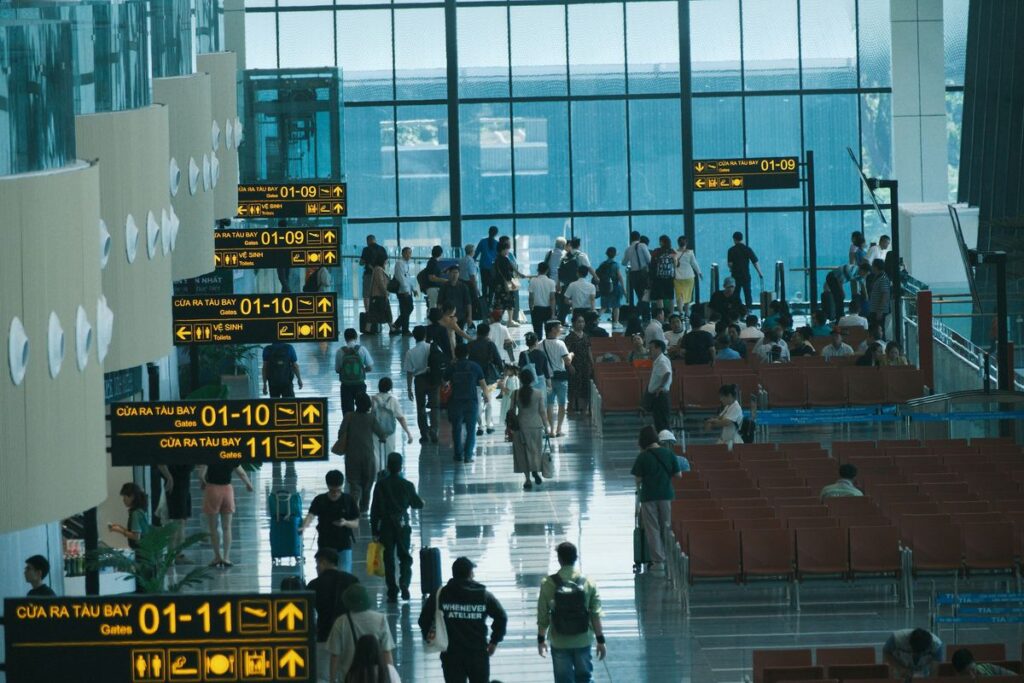
TSA PreCheck isn’t a guarantee, and holiday travel turns airports into endurance tests.
Even experienced travelers underestimate security wait times, especially during peak travel periods or at unfamiliar airports. PreCheck lines can exceed regular security during busy periods, and international terminals often require additional screening time.
Arrive earlier than you think necessary, especially for morning flights or holiday travel. Most airlines allow check-in 24 hours in advance—use that time buffer instead of gambling with tight connections.
2. Packing Food Without Research

Border agents take agricultural restrictions seriously, and “I didn’t know” isn’t a valid defense.
Homemade sandwiches and snacks seem innocent enough for domestic travel, but international borders scrutinize food items heavily. Fresh fruits, vegetables, meat products, and dairy face strict regulations in most countries, with significant fines for violations.
Research agricultural import restrictions for international destinations before packing any food items. When in doubt, consume perishables before landing or dispose of them before customs inspection.
1. Assuming Hotel Amenities

That “complimentary” hairdryer might not exist, and international outlets require more than optimism.
Hotels advertise amenities they don’t always provide, and international properties operate by different standards than domestic chains. Assuming every destination offers familiar conveniences leads to inconvenient discoveries at inconvenient times.
Research specific hotel amenities before assuming they exist. Pack universal adapters for international travel, and consider essential items like phone chargers and basic toiletries as non-negotiable carry-on items regardless of hotel promises.
Anyone who’s ever sprinted through an airport with a half-zipped bag trailing loose cables knows that packing wisdom usually comes disguised as expensive mistakes. The smartest travelers aren’t the ones who never make errors—they’re the ones who learn from their mishaps and pack like they’ve been there before.