

New Orleans art isn’t passive. It lives in working studios, repurposed warehouses, and sonic architecture you can actually play. These five destinations are all active — something is being made, assembled, or experienced at every visit.
Studio BE— 2941 Royal St., Bywater
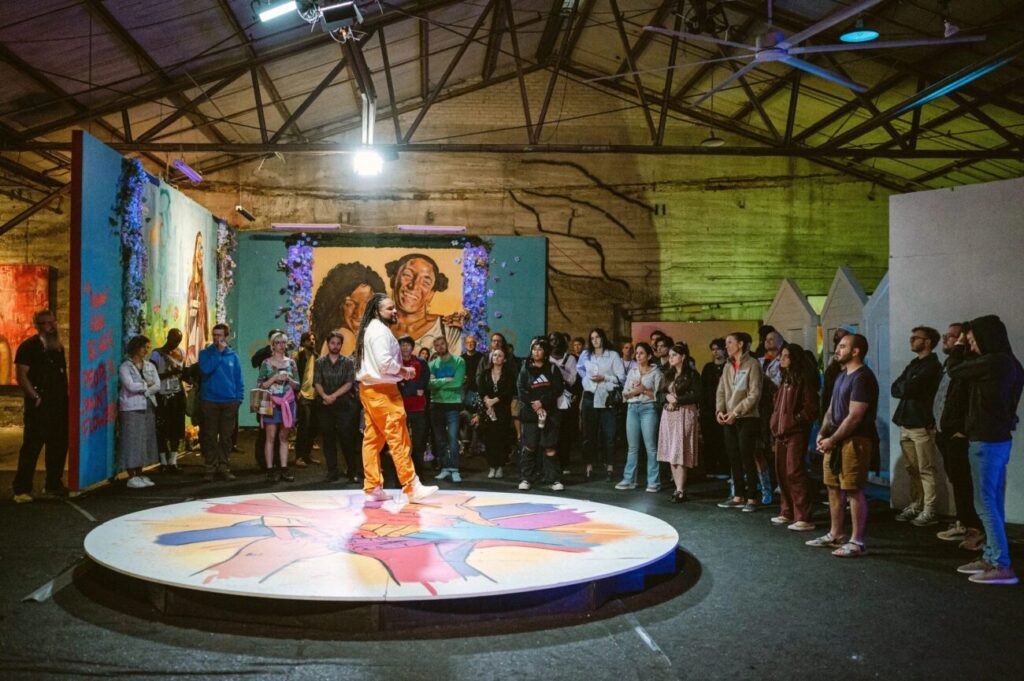
Brandan “BMike” Odums started with an illegal art installation in an abandoned Lower 9th Ward housing project in 2013, covering every surface with large-scale portraits of civil rights figures. That became Exhibit BE, which drew more than 10,000 visitors to a blighted Algiers apartment complex. Studio BE, opened in 2016, is the legal, permanent version: a 35,000-square-foot warehouse in the Bywater filled floor-to-ceiling with spray-painted murals of John Lewis, Fannie Lou Hamer, Harriet Tubman, and victims of police violence.
The warehouse is not climate controlled, which is part of the experience — sweat and scale both belong to the work. The studio also houses Eternal Seeds, a nonprofit that gives emerging local artists working space and mentorship. Time Out named it one of the 50 best things to do in the world. Check Studio BE’s Instagram before visiting for current hours, as the space occasionally closes for private events. Admission is affordable; guided tours are available.
Music Box Village— 4557 N. Rampart St., Bywater
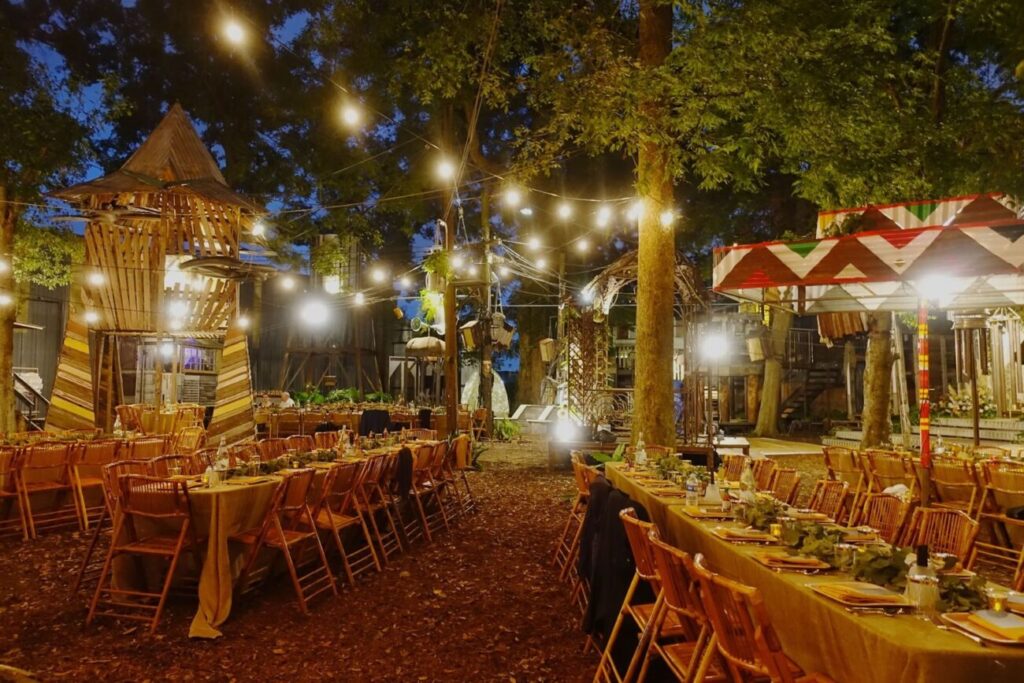
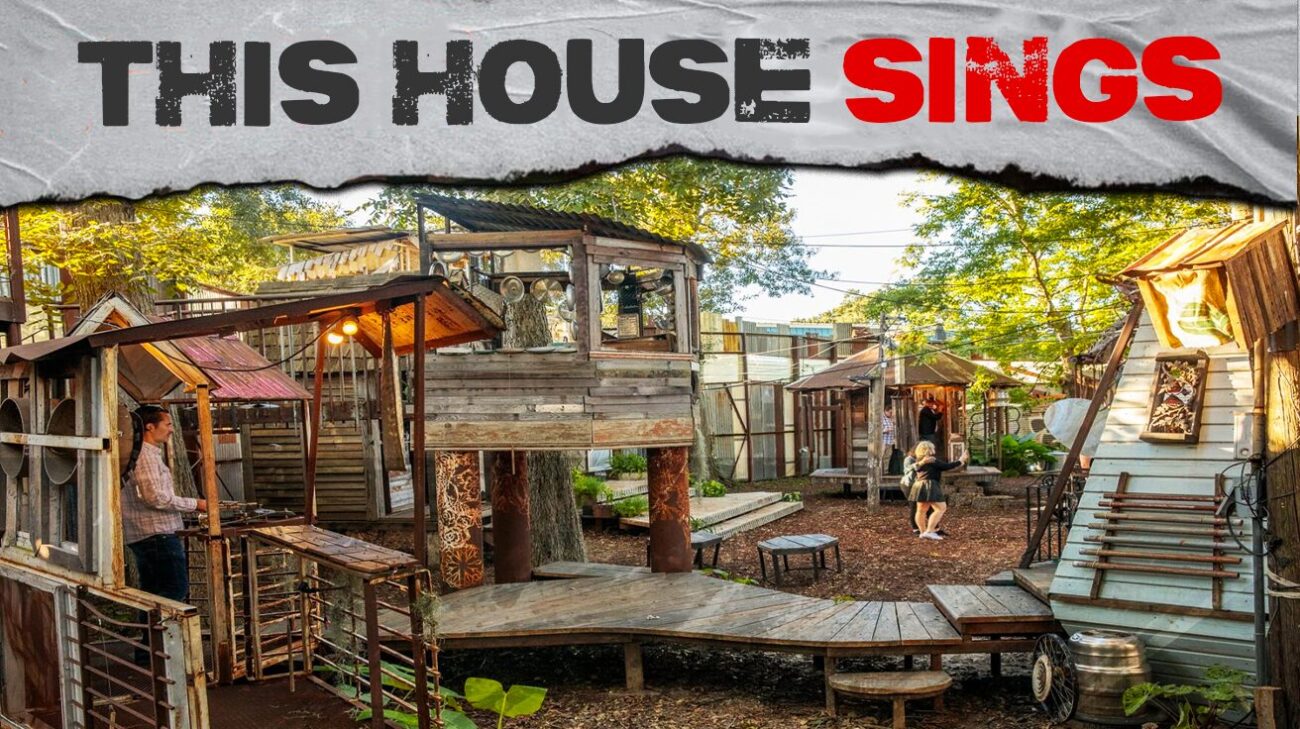
We covered Music Box Village in full earlier in this guide, but its placement here is deliberate. It is the most genuinely interactive art installation in the city: 16 musical houses where the instruments are built into the architecture itself, and visitors are expected to play. Pulley systems, foot pedals, bells mounted to rooftops, strings running through walls — the whole compound produces sound only when people engage with it. Check musicboxvillage.com for event schedules before visiting, as hours vary.
JAMNOLA— 940 Frenchmen St., Marigny
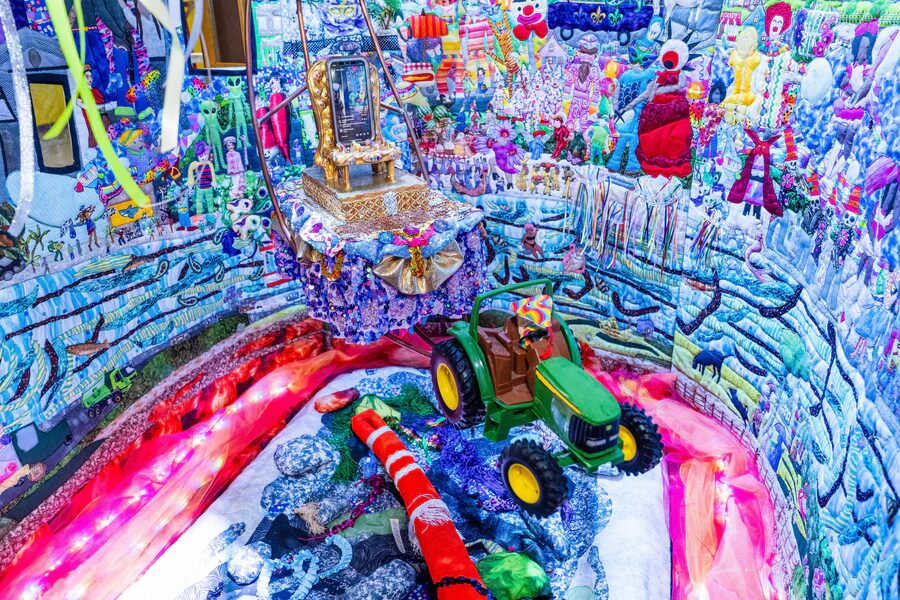
JAMNOLA stands for Joy, Art, Music, New Orleans. Co-founders Jonny Liss and Chad Smith, along with the Where Y’Art Works collective, opened it in 2020 with 18 local artists building 12 rooms of concentrated New Orleans culture. The permanent location at 940 Frenchmen Street in the former Binder Bakery building expanded that to 29 exhibits and over 100 collaborating artists. Rooms cover Mardi Gras Indian tradition, brass band culture, Creole cuisine, and the city’s theatrical history through interactive installations, 3D glasses, and QR-linked audio.
It sits in the same building as NOCCA, the city’s tuition-free arts high school, which gives the whole block a working creative energy beyond the museum itself. Tickets run around $25 for adults, with Louisiana resident discounts on weekdays. Book at jamnola.com.
New Orleans Glassworks & Printmaking Studio— 727 Magazine St., Warehouse District
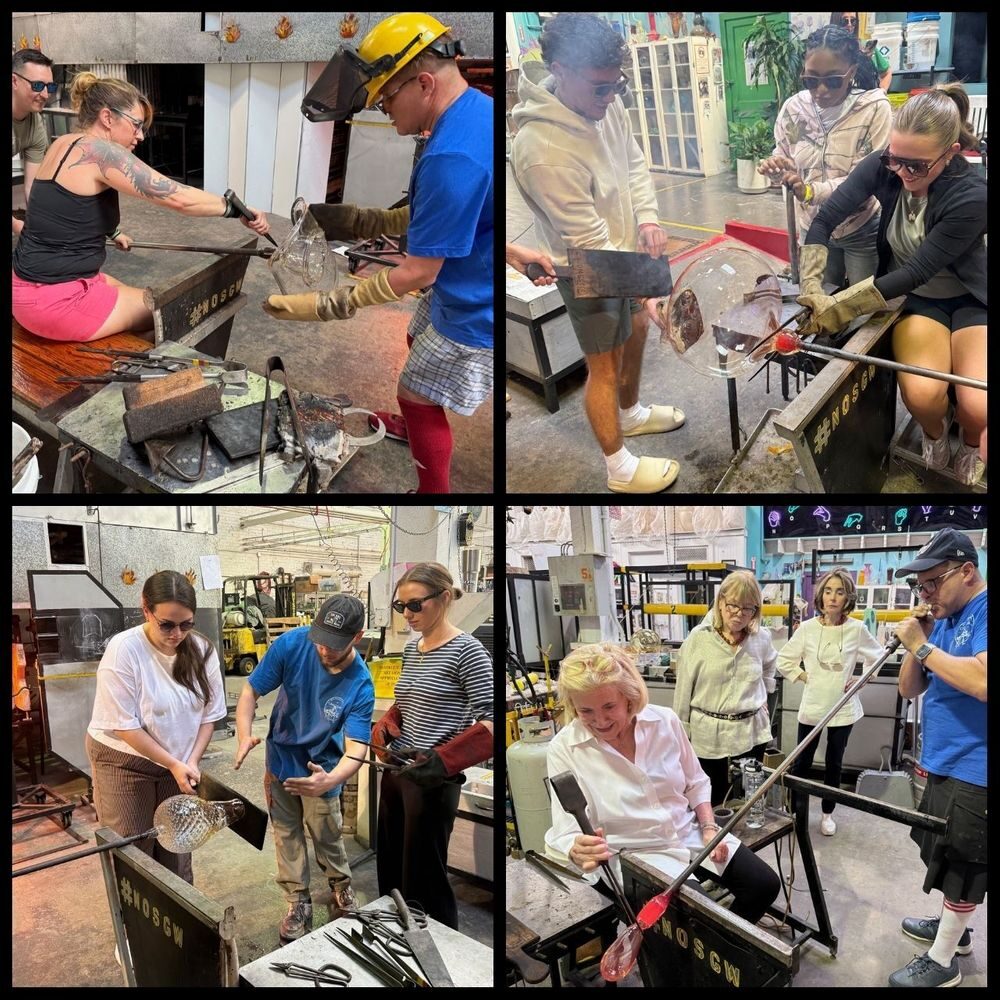
Operating as a 501(c)(3) nonprofit since 1990, this is the largest working artist studio of its kind in the South. The building is a restored 1800s brick warehouse in the Arts District, two blocks from the WWII Museum. Free daily demonstrations in glassblowing run in an open arena where visitors can watch molten glass being pulled and shaped by working artists. Walk-in two-hour classes are available in Venetian glassblowing, torchwork, printmaking, metal sculpture, stained glass, jewelry, paper marbling, and bookbinding.
The class options are the reason to go. You leave with something you made yourself — a glass paperweight, a sea creature, a pendant — using techniques that haven’t changed in centuries. The gallery out front sells work by resident artists and visiting international masters. Open Monday through Saturday, 10 a.m. to 5:30 p.m.; closed Sundays and summer Saturdays. Admission to the studio and demonstrations is free. Visit neworleansglassworks.com for class schedules.
Mardi Gras World— 1380 Port of New Orleans Pl., Warehouse District
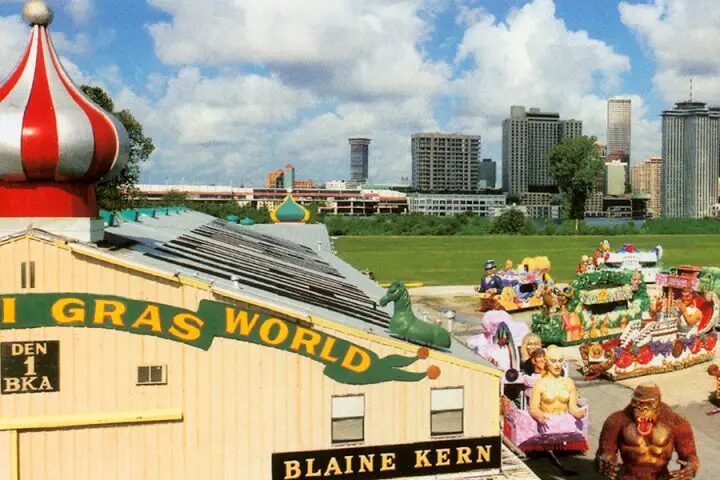
Roy Kern painted signs on cargo ships through the Depression. His son Blaine built their first float on a mule-drawn garbage wagon in 1932. Blaine went on to apprentice under European float builders in Italy, France, and Spain, bringing back the monumental scale and animatronics that define modern New Orleans parade aesthetics. Kern Studios, which he formally founded in 1947, now builds 500 to 600 floats annually for krewes across the country. Mardi Gras World opened in 1984 to give the public access to the 300,000-square-foot working warehouse.
The tour moves through the float den while sculptors, painters, welders, and carpenters work on the next season’s builds. The scale is the point — papier-mâché heads twelve feet tall, dragons under construction, floats from past parades looming in the background. Tours run daily and last about 90 minutes. Admission includes king cake and coffee. Book at mardigrasworld.com; a free shuttle operates from several downtown and French Quarter pickup points.