

The 1930s hit America like a fever dream that wouldn’t break—banks crumbling faster than sandcastles at high tide, factories going silent as abandoned churches, millions watching their carefully constructed lives dissolve overnight. This wasn’t just economic collapse; it was existential vertigo on a national scale, the kind that makes today’s supply chain hiccups look like minor inconveniences. Yet somewhere between the breadlines and the dust storms, something extraordinary bloomed from the wreckage.
Communities became lifelines, creativity emerged from scarcity like wildflowers through concrete, and resilience crystallized into something approaching alchemy. These weren’t just survival stories—they were masterclasses in human ingenuity, written by ordinary people who refused to let extraordinary circumstances write their endings.
18. Mini Golf: Whimsy for Pocket Change

Over 30,000 miniature golf courses bloomed across America like monuments to accessible joy—more locations than today’s Starbucks and McDonald’s combined. For twenty-five to fifty cents, anyone could step into fantastical landscapes where windmills and obstacles created challenges far more manageable than those waiting at home.
These courses democratized recreation in revolutionary ways, creating spaces where bank presidents and unemployed factory workers putted side by side. Course owners kept prices deliberately low, understanding their role transcended business to approach something resembling public service. In towns where movie theaters went dark, these humble courses became community anchors where normalcy could briefly exist.
17. The Kitchen Magicians: Turning Scraps Into Sustenance

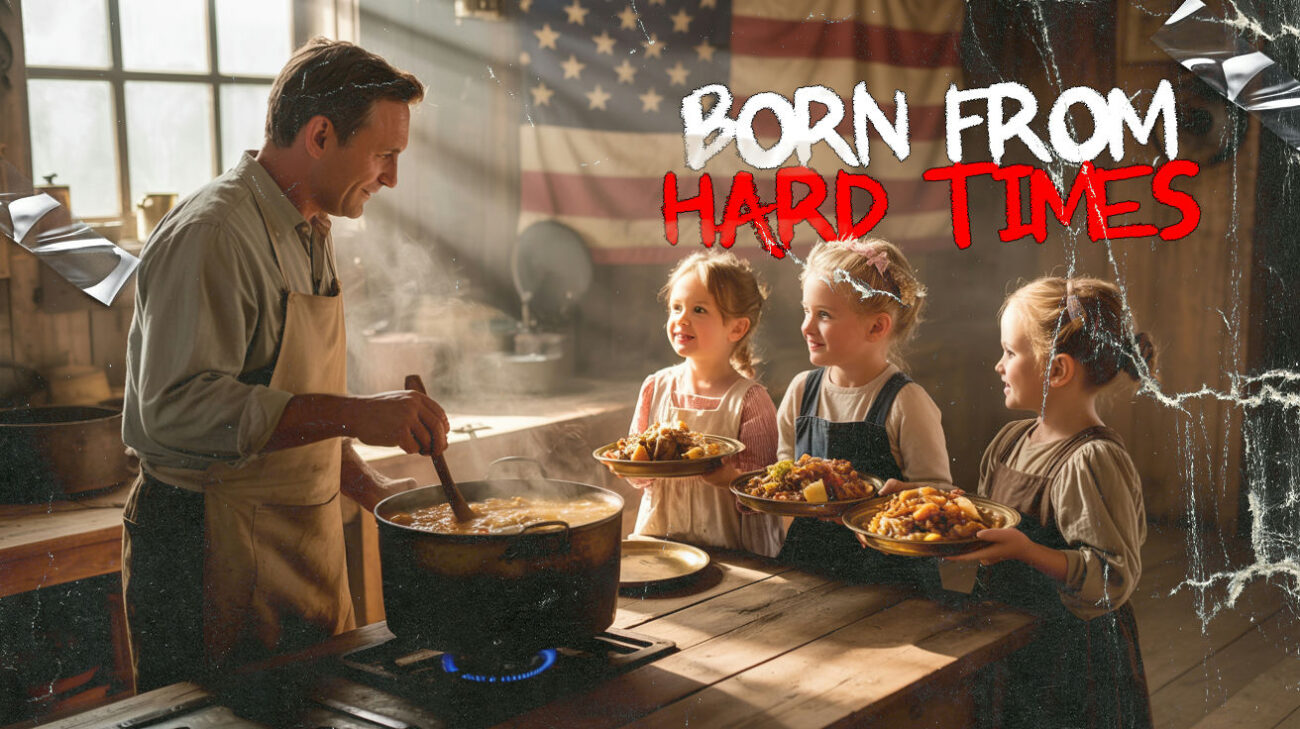
Depression-era women performed daily miracles that would make today’s food influencers weep with envy. Sunday’s chicken transformed through the week like a culinary phoenix—becoming Monday’s soup, Tuesday’s sandwiches, Wednesday’s stock for gravy. Cabbage earned its crown as the undisputed monarch of depression cuisine, appearing in everything from main courses to desserts.
Cookbooks from the era reveal astonishing creativity—cookies made from lard and sugar, pie crusts crafted from crushed corn flakes. These weren’t just meals; they were acts of defiance against despair. Mothers wielded cast-iron skillets like magic wands, conjuring nourishment from ingredients that had no business feeding entire families.
16. Shifting Sands of Shame
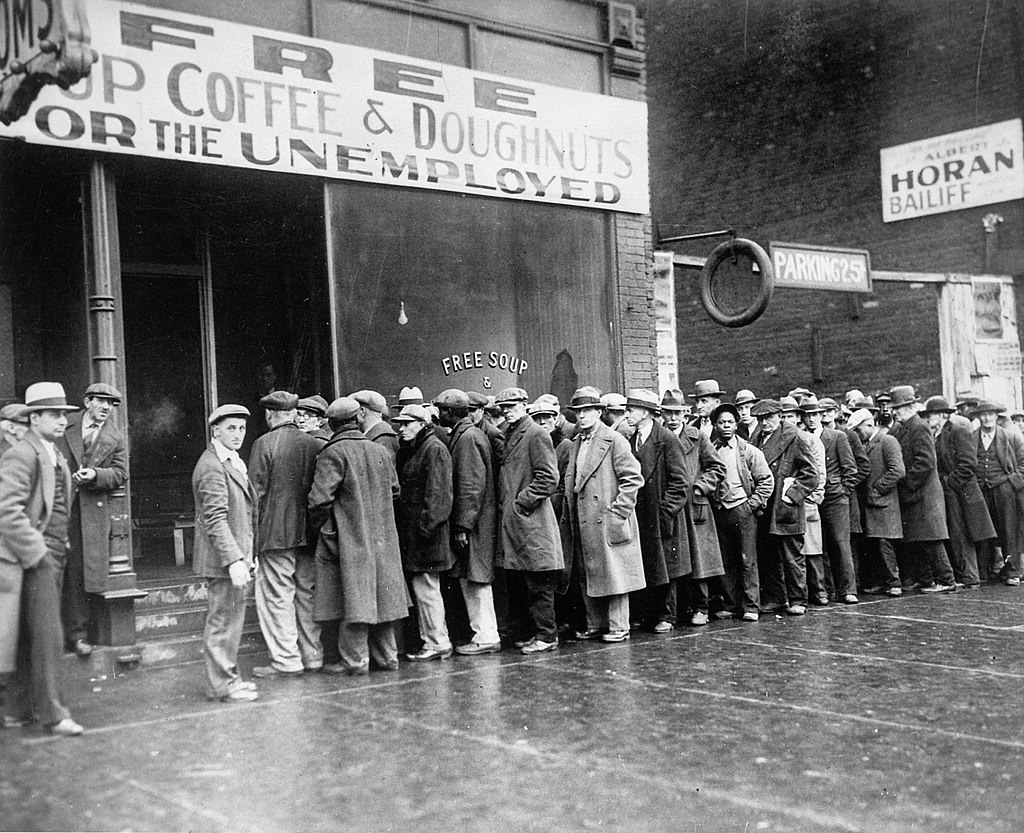
Before the Great Depression, government aid carried heavy stigma—receiving assistance was viewed as personal failure rather than systemic necessity, an attitude that still influences policy debates today. The economic collapse changed these attitudes overnight, as millions who had never needed help suddenly found themselves standing in relief lines.
Yet survival required adaptation, and pride learned to coexist with pragmatism. This transformation of shame into acceptance represented one of the era’s most profound psychological shifts, proving that dignity could survive even when circumstances demanded humility. The lessons learned about social safety nets continue to shape American political discourse nearly a century later.
15. Nature’s Fury: The Dust Bowl’s Double Blow

The dust storms that swallowed the Great Plains transformed noon into midnight with apocalyptic efficiency. Years of aggressive farming had stripped away natural grasses, leaving nothing to anchor the soil when drought arrived to finish the job. The infamous Black Sunday storm of April 14, 1935, carried winds over 60 mph and moved 300 million tons of soil from the Great Plains to the Atlantic Ocean.
The result: 3.5 million people abandoned their farms, loading whatever remained into overloaded vehicles pointed west. The “Okies” became America’s first climate refugees, carrying their entire lives toward promises that would prove as elusive as morning mist. This mass migration permanently altered America’s human geography.
14. Victory Gardens: Vacant Lots Become Lifelines

Empty lots across America transformed into production centers that would make modern urban farmers genuflect. Detroit alone fed over 20,000 people through community gardens—roughly equivalent to feeding everyone in a small city today. These patches of earth weren’t just about vegetables—they were universities of shared knowledge where neighbors traded expertise.
Victory gardens created parallel economies of abundance where neighbors bartered surplus for solidarity. The simple act of growing food became revolutionary—proof that even when everything else failed, the earth still remembered how to provide. These grassroots food security efforts pioneered concepts that urban farming initiatives still use today.
13. Riding the Rails: Wild Boys of the Road
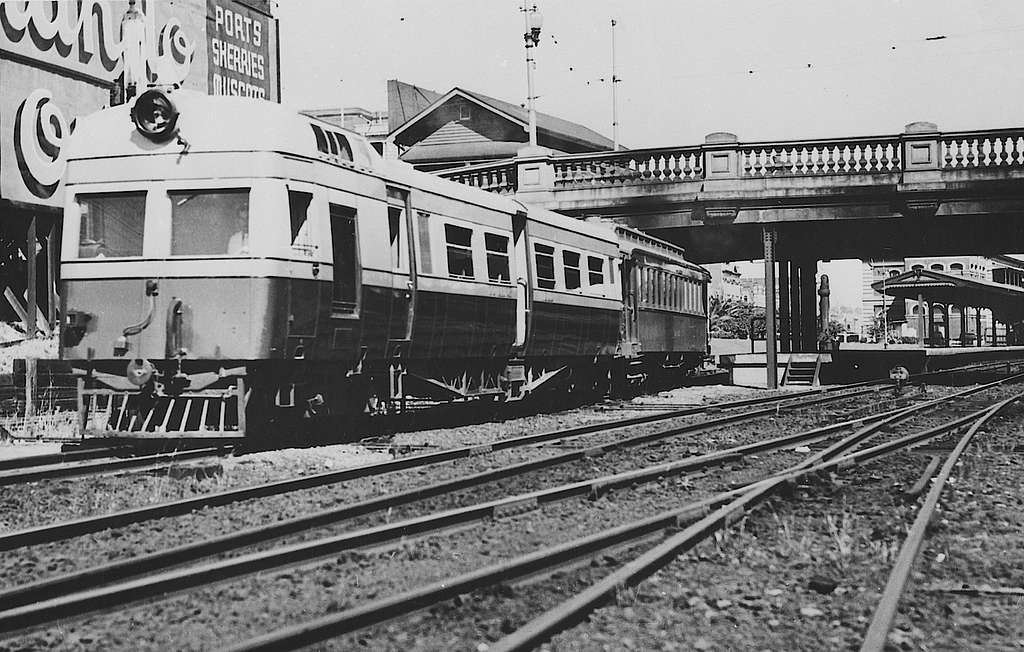
An estimated 250,000 teenagers took to the rails during the Depression—roughly equivalent to the entire population of Buffalo, New York, constantly in motion. Many fled broken homes where families could no longer afford to feed them, seeking work in distant cities that might offer hope. The reality of their lives was brutal—facing hunger, disease, and the constant danger of moving freight trains.
These young wanderers created their own communities along the rails, finding camaraderie among fellow travelers who understood their circumstances. These teenage nomads became living symbols of an economy that had failed its most vulnerable citizens, their stories resonating with any generation that’s watched young people struggle to find their place in an uncertain world.
12. Board Games: Democracy of Dimes
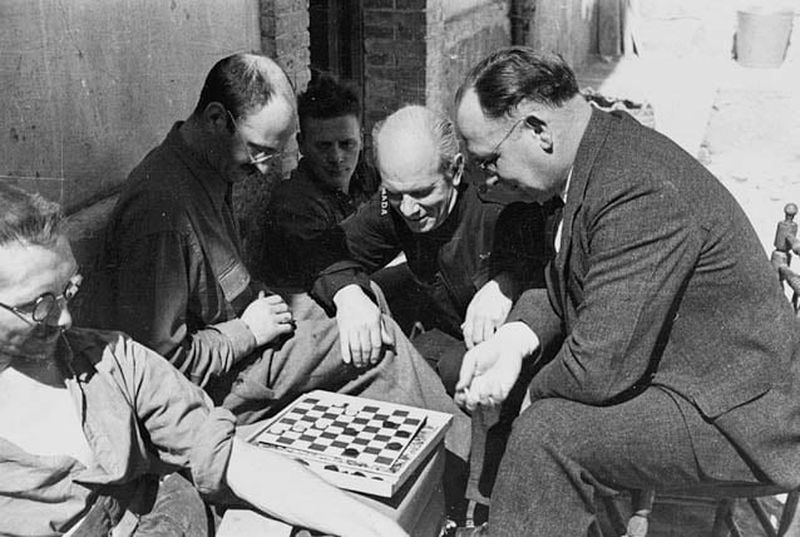
Chess, checkers, and homemade diversions became recession-proof entertainment that transformed living rooms into kingdoms where strategy mattered more than bank accounts. Monopoly—oh, the irony—allowed families to buy and sell property in imaginary worlds where foreclosure was just a game mechanic.
Board games created spaces where children could exercise their minds and parents could remember what laughter felt like. Families crafted their own games from cardboard and imagination, proving that entertainment didn’t require admission fees—just willingness to engage with possibility. Around these makeshift gaming tables, democracy thrived in ways that economics had forgotten.
11. Women’s Work: The Invisible Economy

Women became economic alchemists, transforming nothing into something with daily regularity that would exhaust modern productivity gurus. Monday meant laundry with washboards and cast-iron determination. Tuesday brought ironing with heavy implements heated on stoves. The week continued with methodical precision—mending Wednesday, baking Thursday, cleaning Friday.
Women stretched budgets like taffy, took in laundry until their hands cracked, converted precious space into boarding rooms for strangers. Their heroism was measured in children who didn’t starve, homes that didn’t collapse, and hope preserved like precious jam in cellars. While unemployment statistics focused on men, women’s unpaid labor became the invisible foundation that kept families from complete collapse.
10. Industrial Ghosts: Welch, West Virginia Then and Now

Coal once made Welch pulse with commercial energy—over 6,600 residents calling it home in 1930, compared to fewer than 1,600 today. Streets lined with shops and theaters displayed the confident architecture of a community that believed in tomorrow, earning the title “Heart of the Nation’s Coal Bin.”
Today’s Welch stands as a meditation on economic transformation—many buildings empty but dignified, echoing the fate of countless commercial centers across America. Entire shopping malls now sit abandoned, silent witnesses to changing fortunes, much like these top abandoned malls scattered throughout the country.
9. The Crushing Weight of Economic Collapse
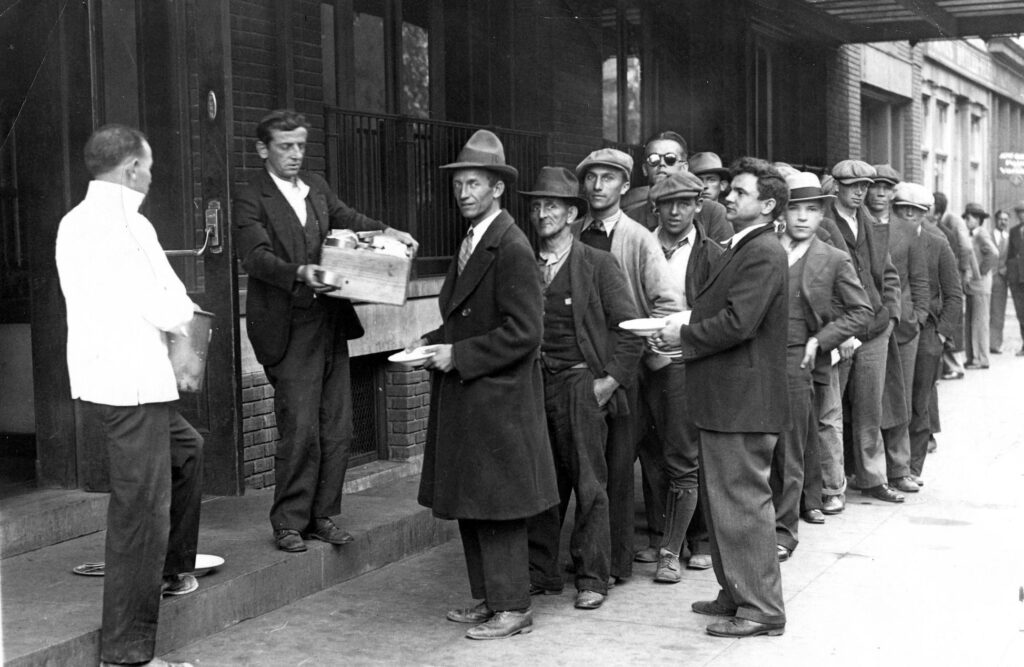
Over 13 million Americans found themselves jobless after the stock market crash—that’s roughly equivalent to losing every job in Texas today. Fathers who once provided for families suddenly competed with thousands for jobs paying pennies on their former dollar. Job openings became spectacles of desperation, with lines wrapping around blocks like auditions for survival itself.
By 1933, nearly one in four workers was unemployed—a statistic that would make modern recessions pale in comparison. Banks closed their doors like final curtains, taking life savings with them into the void. The American Dream didn’t just dim—it got evicted, leaving behind empty lots where hope used to live.
8. Radio: The Hearth That Warmed Every Home

The radio became America’s communal campfire, gathering families each evening around voices that arrived through static like friends bearing gifts from distant worlds. By 1935, over 67% of American households owned radios—a higher penetration rate than modern streaming services achieved in their first decade.
These weren’t just broadcasts; they were lifelines to a larger world that still contained music and laughter. Families arranged their entire schedules around favorite shows, creating rituals that provided structure when everything else felt chaotic. This medium became the social media of its era, connecting isolated communities in ways that feel remarkably contemporary.
7. Inventive Cuisine in Crisis

Families developed culinary creativity that would make today’s molecular gastronomists look positively conventional. Simple ingredients performed multiple duties throughout the week, with versatility becoming the ultimate currency. Washington apples transformed into pies, sauces, and desserts, with every part of available ingredients utilized to prevent waste.
Cucumber pickles became delicacies, transformed through ingenuity into flavorful treats that elevated humble meals. Even the most basic foods revealed hidden potential when approached with determination and imagination. These innovations weren’t just about survival—they were about maintaining dignity through the act of creation.
6. Strength in Numbers: Community Support

Over 50% of Americans relied on charity during the Great Depression—a statistic that would translate to roughly 175 million people today. Community soup kitchens offered more than food; they provided belonging and hope in spaces where conversations mattered as much as calories. Long lines of people waiting became impromptu communities where strangers shared stories alongside sustenance.
The act of sharing what little they had strengthened bonds that transcended economic circumstances. These networks proved that compassion could create abundance even when bank accounts remained empty, demonstrating that human connection was the one commodity that never went out of stock.
5. Hoovervilles: Dignity in Cardboard Cities

Makeshift settlements constructed from humanity’s discarded materials became inadvertent masterclasses in architectural improvisation. Central Park hosted its own “Hooverville” where hundreds of men created homes from tarp, scrap metal, and whatever else could form walls against both elements and despair, echoing in today’s homeless encampments and housing crises.
The juxtaposition was jarring—luxury apartments overlooking settlements built from society’s debris—but the message was clear: human dignity doesn’t require permanent addresses. Within these improvised neighborhoods, residents created governance structures that proved community could emerge from even the most desperate circumstances.
4. Art as Witness: Steinbeck and Lange’s Truth-Telling
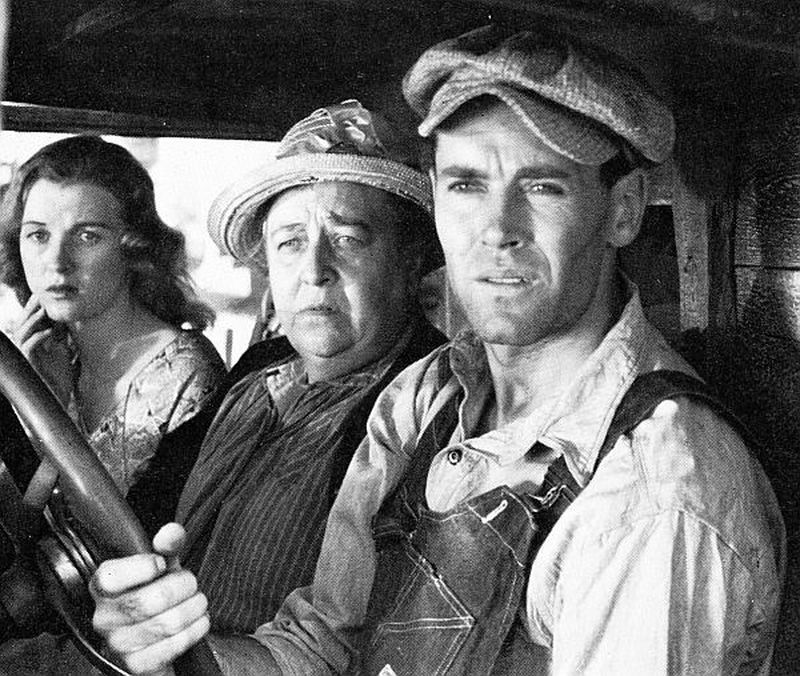
Literature and photography transformed abstract suffering into stories impossible to ignore, establishing traditions of social documentary that influence media coverage today. Steinbeck’s “Grapes of Wrath” followed the Joad family’s westward journey with such intimate detail that readers couldn’t dismiss them as statistics.
Dorothea Lange’s “Migrant Mother” transformed Florence Owens Thompson from anonymous victim to American icon. The worry etched into her face, children nestling against her shoulders, captured what economic reports could never convey. These artistic expressions weren’t just documentation but intervention—demanding witnesses become participants in addressing conditions they portrayed.
3. The New Deal: Government as Safety Net
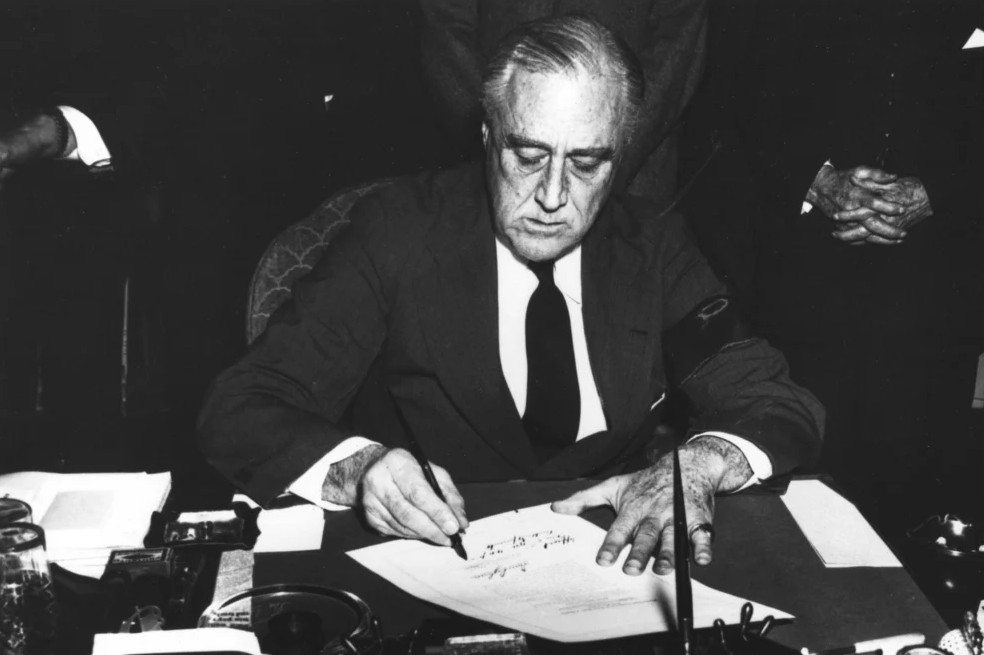
Roosevelt’s alphabet soup of agencies—CCC, WPA, TVA, FHA—represented nothing less than reimagining the relationship between citizens and their government. The Works Progress Administration alone employed 8.5 million Americans over its eight-year existence, constructing 650,000 miles of roads, 125,000 public buildings, and 8,000 parks.
This wasn’t just policy but philosophy—recognition that individual resilience, while admirable, couldn’t address systemic collapse. These programs proved that collective challenges required collective solutions, permanently altering American expectations about government’s role during crisis. The New Deal represented hope institutionalized, proving that democracy could adapt to serve its people’s needs.
2. Gathering Strength at the Table

Food scarcity forced families into impossible mathematics—dividing four potatoes among six people, or creating rotating schedules where some family members ate while others waited for tomorrow. Children often received priority, leaving parents to subsist on coffee and promises.
Church basements often became communal dining halls during the Depression, where neighbors shared what little they had to create nourishing meals together. If you’re curious about the kind of food that brought communities together, you might enjoy discovering every church recipe you need to try for a taste of shared tradition.
1. Wearing Out the Wardrobe
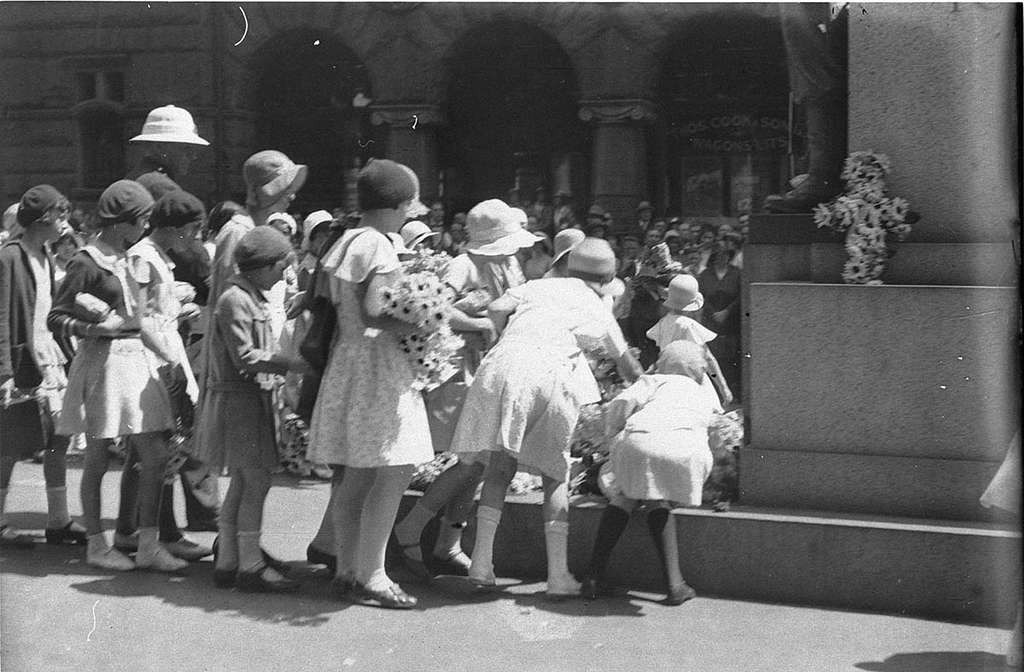
Clothing took on new meaning when replacement became impossible. Families patched garments until they resembled textile archaeology—layers of repairs telling stories of stubborn refusal to surrender. Children wore hand-me-downs regardless of fit. Worn shoes received patches from old tire rubber, transforming footwear into exercises in creative engineering.
Having something to wear mattered more than style, with mended and repurposed clothing becoming symbols of resilience rather than poverty. Thriftiness transformed from virtue to necessity, with every thread treated like precious metal. The act of preservation became its own form of dignity.