

A septic-system failure at the Due West Hotel and Tavern in Olema is not the origin story anyone would script for a Bay Area food disruption. Yet that is precisely what unfolded on Oct. 9, 2026, when sewage entered Olema Creek and began flowing toward Tomales Bay — one of California’s most prized shellfish-growing regions. The California Department of Public Health responded by closing all Tomales Bay shellfish-growing areas and wet-storage intakes. Hog Island Oyster Co. immediately halted harvesting, returned that morning’s haul to the water, and voluntarily withdrew roughly 200,000 oysters as a precaution. No illnesses or customer complaints had been reported as of publication. Hog Island described the action as a precautionary withdrawal, not a beef recalled situation.
What Triggered the Closure
A septic leak, a drainage pipe, and two slightly different accounts of what broke.
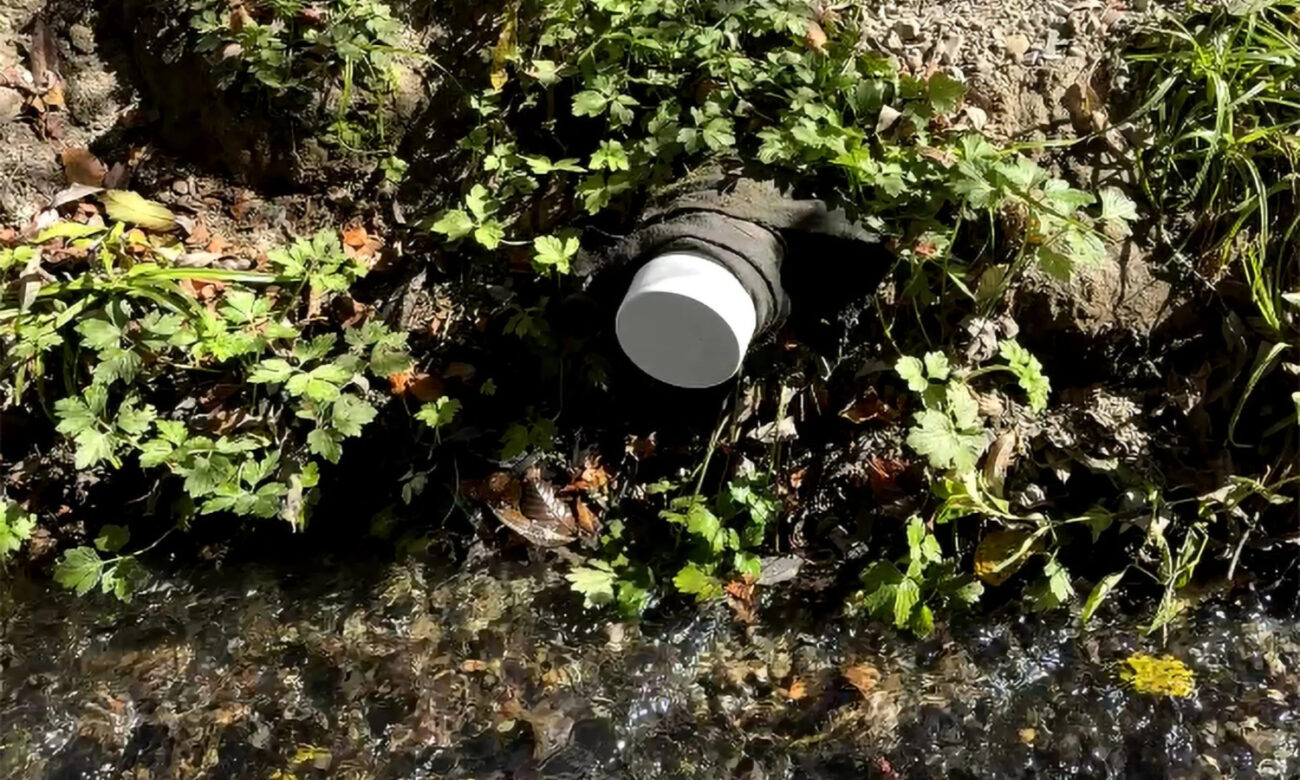
Marin County Environmental Health Services reported that a septic-system leak and a connected drainage pipe allowed sewage into Olema Creek, which flows toward Tomales Bay. The leak was capped, and county officials reported no adverse effects on people or wildlife. Olema House general manager Fran Caiazzo reportedly described the cause as a cracked storm drain; county reporting identified a septic leak and drainage pipe. Both accounts are on record and had not been publicly reconciled. State regulators closed all Tomales Bay growing areas pending water-quality sampling, regardless of which pipe gets the blame.
By the Numbers
- Hog Island withdrew shellfish harvested from its Tomales Bay sites between Sept. 14 and Oct. 12, 2026 — approximately 200,000 oysters.
- Affected sites: Sweetwaters and Earthquake Bays growing areas.
- No illnesses or customer complaints had been reported as of publication.
- Hog Island’s Humboldt Bay farm remained open; restaurants could source from there and from certified partner farms.
- The standard closure period is 21 days; water-quality sampling expected around Oct. 16 could allow early reopening between Oct. 19 and 21 if the California Department of Public Health granted authorization — otherwise, the standard 21-day closure could extend through Oct. 30.
Hog Island stopped harvesting the moment it was notified, framing the withdrawal as acting “out of an abundance of caution.” The company said it did not believe the spill posed a food-safety threat to its harvest areas. Nick’s Cove, another Tomales Bay restaurant, also paused service of Tomales Bay-grown oysters until CDPH authorized local growers to resume harvesting. The response illustrates how regulators and growers can act conservatively before illnesses occur — pulling back as a precaution, not in reaction to a documented outbreak.
What This Means If You’re Planning a Visit
Hog Island said its restaurants would continue serving oysters sourced from unaffected growing areas.
Hog Island said its locations would keep serving oysters drawn from Humboldt Bay and certified partner farms while Tomales Bay remained closed. Tomales Bay harvesting could resume as early as Oct. 19–21 if state testing cleared the way; the standard 21-day closure could otherwise extend through Oct. 30, with state authorization and completed septic repairs both required before harvesting resumes. Before making the drive out to Point Reyes, check Hog Island’s website and social channels for current sourcing updates — the timeline depends on bacteria levels dropping and repairs being completed, not projections alone.