

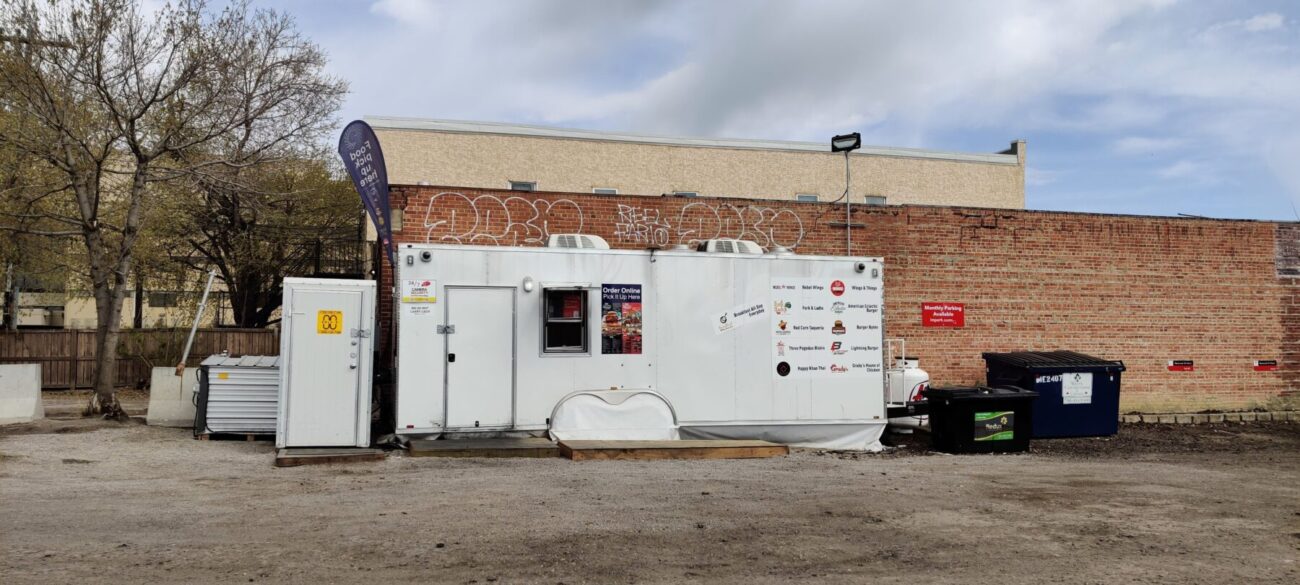
The ghost kitchen revolution has arrived with the subtlety of a food truck convoy. These delivery-only operations house multiple digital restaurant brands under one roof, slashing overhead costs while reaching broader audiences than traditional brick-and-mortar establishments. What started as pandemic necessity has evolved into the industry’s new normal—and it’s changing everything from how chefs build careers to where food lovers chase their next great meal.
The Invisible Restaurant Boom
Virtual brands multiply as ghost kitchens redefine restaurant economics and location strategy.
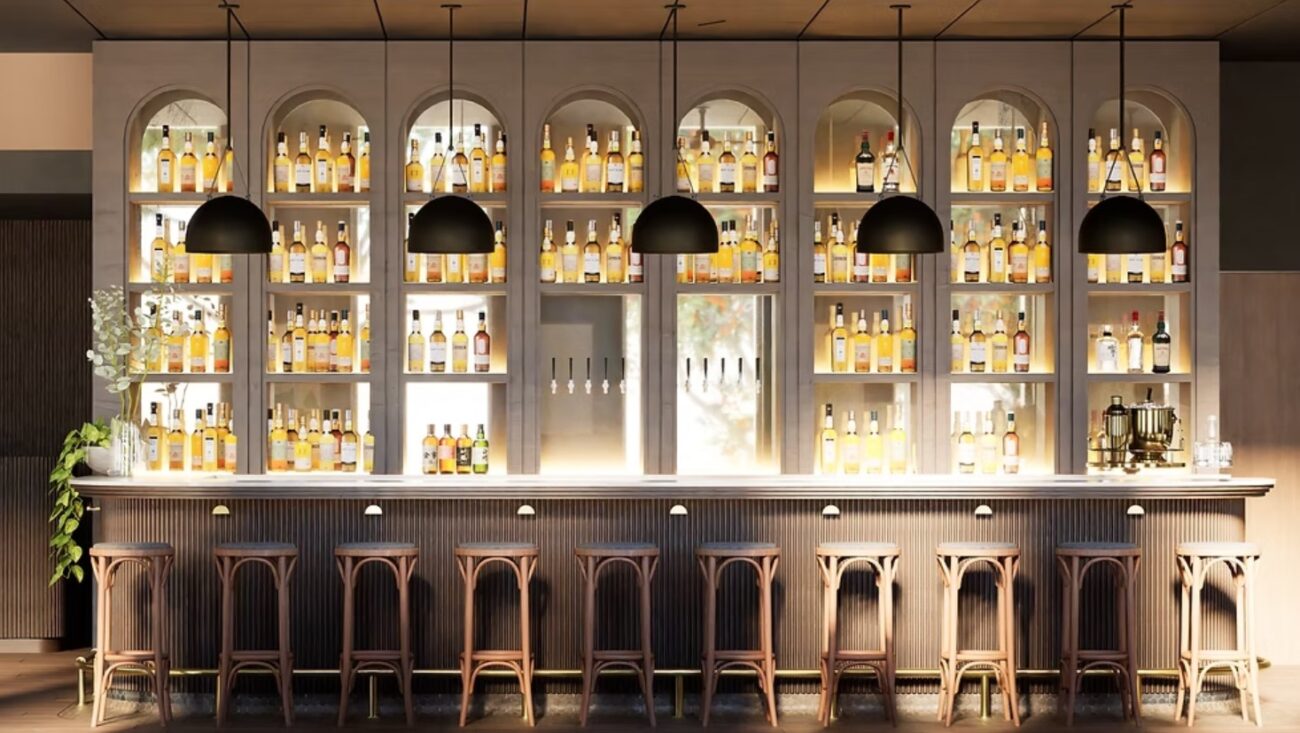
Ghost kitchens operate without traditional dining rooms, focusing exclusively on delivery and takeout orders. Multiple virtual restaurant concepts can share the same kitchen space, allowing entrepreneurs to test new brands and reach customers across wider geographic areas at dramatically lower costs.
This model eliminates expensive real estate in prime locations while maximizing operational efficiency. The approach has proven particularly attractive to established chefs looking to expand their reach without the capital investment of opening additional physical locations.
The transformation extends beyond kitchen operations into workforce management. Employers now embrace hybrid employment models with flexible scheduling for kitchen and service staff. AI-powered point-of-sale systems and automated applicant tracking accelerate hiring and retention processes in a talent-competitive landscape.
Major food industry trends reshaping the remote work era include:
- Menu innovation focused on travel-friendly, customizable options for mobile consumers
- Strategic partnerships between restaurants and co-working spaces targeting digital nomads
- Emphasis on sustainable sourcing to meet transparency demands from conscious consumers
- Technology integration that streamlines both operations and customer experiences
Nomadic Appetites Drive Culinary Tourism
Hotels and destinations court remote workers with chef-driven experiences designed for the work-anywhere lifestyle.
Remote work has unleashed what industry reports call “gourmet on the go” experiences. Resorts, Airbnbs, and co-working cafés now offer chef-curated menus specifically designed for traveling professionals who blend work with culinary discovery.
This shift reflects changing travel patterns where mini-vacations and extended stays replace traditional vacation models. Over one-third of hospitality industry trends have adopted automated hiring tools and mobile-friendly applications to attract talent in this competitive landscape, according to industry reports.
The convergence of flexible work arrangements and food culture has created new opportunities for destinations willing to rethink their culinary offerings. Smart venues recognize that today’s remote workers seek more than Wi-Fi and coffee—they want authentic culinary experiences that enhance their mobile lifestyle while supporting local food communities.