

A Delta removal over a seat swap — and possibly a pair of smart glasses — carries a real warning for anyone with a Hawaii trip on the line. Santiago Daza was removed from Delta Flight 983, Bogotá to Atlanta, on September 9 after a dispute that reportedly combined a declined seat-swap request with an onboard recording. Delta confirmed the removal but did not publicly identify the specific instruction he refused. For Hawaii-bound travelers, the stakes of a similar dispute are immediate: a missed departure doesn’t just mean rebooking a flight — it means hotel check-ins, rental cars, connecting island hops, and prepaid tours all begin unraveling at once. Navigating airport security complications adds another layer of stress when travel plans collapse unexpectedly.
“Understanding the difference between a seat-swap request and a crew instruction could be the most important travel distinction you learn before your next Hawaii trip.”
A Favor That Became a Removal
What started as a routine seat request escalated quickly — and the full explanation for Daza’s removal remains publicly unresolved.
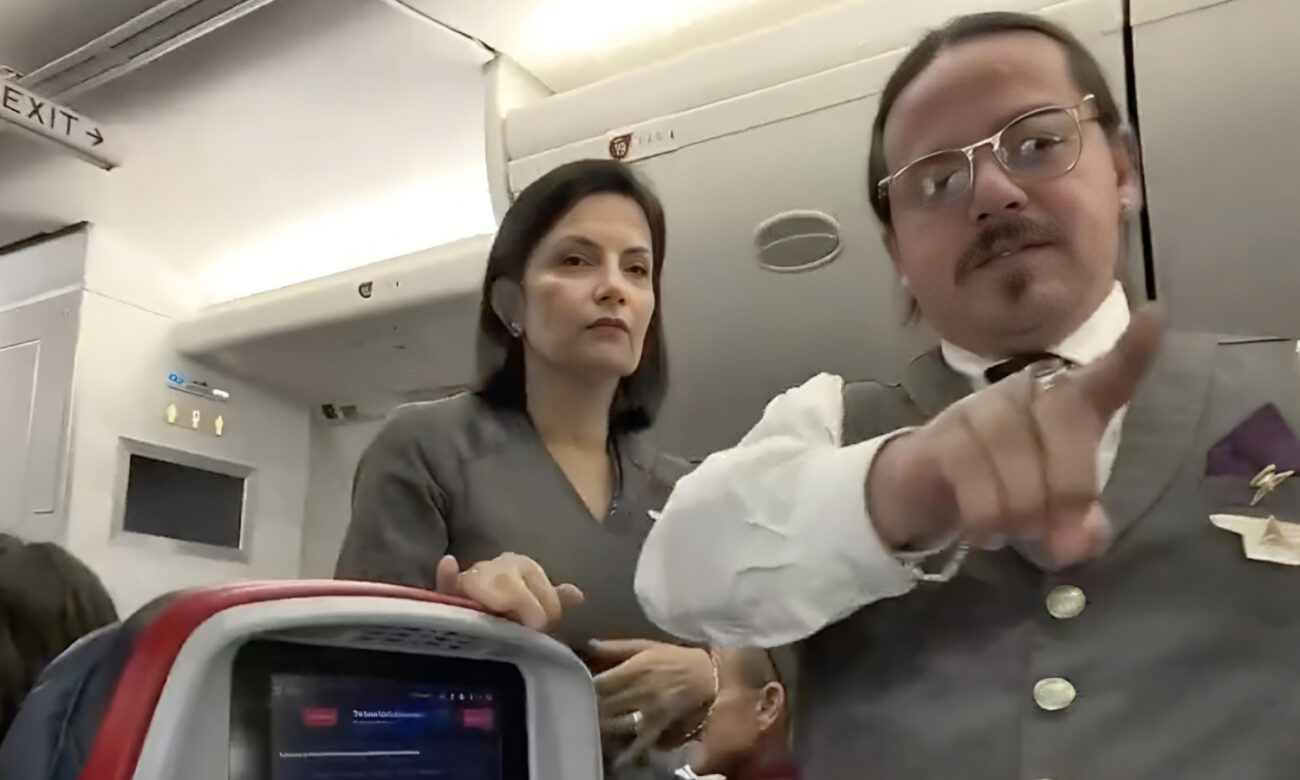
A crew member asked Daza to move so a woman could sit beside her husband. He initially agreed, then declined after seeing that the replacement seat was smaller or less comfortable. A second crew member got involved. Daza began recording the encounter through his Meta smart glasses. The flight left without him.
Delta confirmed the removal, citing failure to follow crew instructions, but did not publicly specify which instruction was at issue. Minuto60, citing an unnamed source, reported that the disputed instruction was to stop recording — not to vacate the seat. That detail remains unconfirmed.
What the fine print actually says:
- Delta’s international contract of carriage permits removal when the airline determines it is reasonably necessary for safety, comfort, or operational reasons — or for failure to follow crew instructions
- A voluntary seat-swap request and a formal crew instruction are different in practice; the moment one becomes the other, the contract of carriage becomes the relevant document
- Delta’s reported internal guidance — an October 2024 memo that was not publicly released — reportedly said passengers can be asked to stop filming but cannot be removed solely for recording, unless it interferes with safety or security
- Daza was rebooked on a later flight; reports indicate Delta offered $150 in compensation, which Daza said publicly he intended to reject
- Daza later claimed Delta told him no captain or crew incident report documenting his removal existed — Delta has not confirmed this
The Recording Question Nobody Boards Thinking About
Delta’s own guidance draws a line on filming, but the boundary in Daza’s case was never publicly settled.
Delta’s published onboard guidance reportedly treats passenger photos and video as a normal part of travel, provided they don’t interfere with safety or security and passengers remain mindful when filming employees. The reported internal memo drew the same line. The difficulty is that “interferes with safety or security” is a standard broad enough to apply across a wide range of circumstances — and where exactly it applied in Daza’s case, Delta has not said publicly.
Delta stated that customer and crew safety is its highest priority and that Daza was removed for failing to follow crew instructions.
The recording-policy section of the contract is genuinely unresolved here. Nobody boards a flight expecting smart glasses to become the center of a removal dispute. But the available reporting makes clear that once a crew member’s request crosses into a formal instruction, the airline’s contract of carriage governs what happens next — and disputing that in the aisle rarely improves the outcome.
The Two Questions Worth Asking Before You Refuse
Knowing whether a crew member is making a request or issuing an instruction is the single most useful distinction a traveler can carry onto any flight.
A flight attendant asking whether you’d mind swapping seats is a request; a crew member telling you to move is an instruction — and Delta’s international contract of carriage identifies failure to comply with the latter as grounds for removal. The line between the two isn’t always obvious in the moment, which is why asking directly — “Is this a voluntary request or a required reassignment?” — can clarify the situation before it escalates.
If the answer is that it’s required, and you disagree, the better path is to comply and pursue the dispute afterward. Delta’s customer relations process and U.S. Department of Transportation complaint channels exist for exactly that purpose. Travel disruption can affect hotel reservations, rental cars, and prepaid activities — losses worth recovering through proper channels rather than an argument at the gate.
Know whether you’re being asked or being told. If you choose to document the interaction, be aware that recording must not interfere with crew duties. The most valuable evidence is often the paper trail you build on the ground — not the footage you capture at 30,000 feet.