


Nearly $2 billion in venture capital flows behind Impossible Foods—not from small farmers or environmental activists, but from Bill Gates, Google Ventures, and corporate giants seeking massive returns. This isn’t grassroots food innovation. It’s Silicon Valley doing what it does best: disrupting traditional industries with technology, then wrapping the product in virtue signaling.
Follow the Money Trail
Venture capital, not environmental passion, drives the plant-based meat boom.
The funding tells the real story. Impossible Foods has raised nearly $2 billion from institutional investors while remaining privately held. Beyond Meat went public in 2019 but now fights for survival amid significant financial losses and debt challenges.
These aren’t scrappy startups challenging Big Food—they’re becoming Big Food, backed by the same corporate machinery that created industrial agriculture. Meanwhile, actual sustainable farming advocates question whether lab-produced proteins represent progress or just another form of food system consolidation.
The companies promise environmental benefits while relying on large-scale soy and pea monocultures that can damage soil health and biodiversity.
What You’re Actually Eating
Ultra-processed ingredients hide behind clean marketing messages.
Strip away the marketing, and you’ll find ingredient lists that read like chemistry experiments. Impossible Burgers contain:
- Soy protein concentrate
- Industrial seed oils
- Genetically engineered yeast-produced “heme” for that bloody flavor
Beyond Meat relies on textured pea proteins, methylcellulose binders, and various stabilizers to mimic meat’s texture. These products fall squarely into the ultra-processed food category that nutritional experts associate with increased risks of obesity, heart disease, and metabolic disorders.
The irony cuts deep: products marketed as healthier alternatives to conventional meat often contain more artificial ingredients than the hot dogs and processed meats they’re meant to replace.
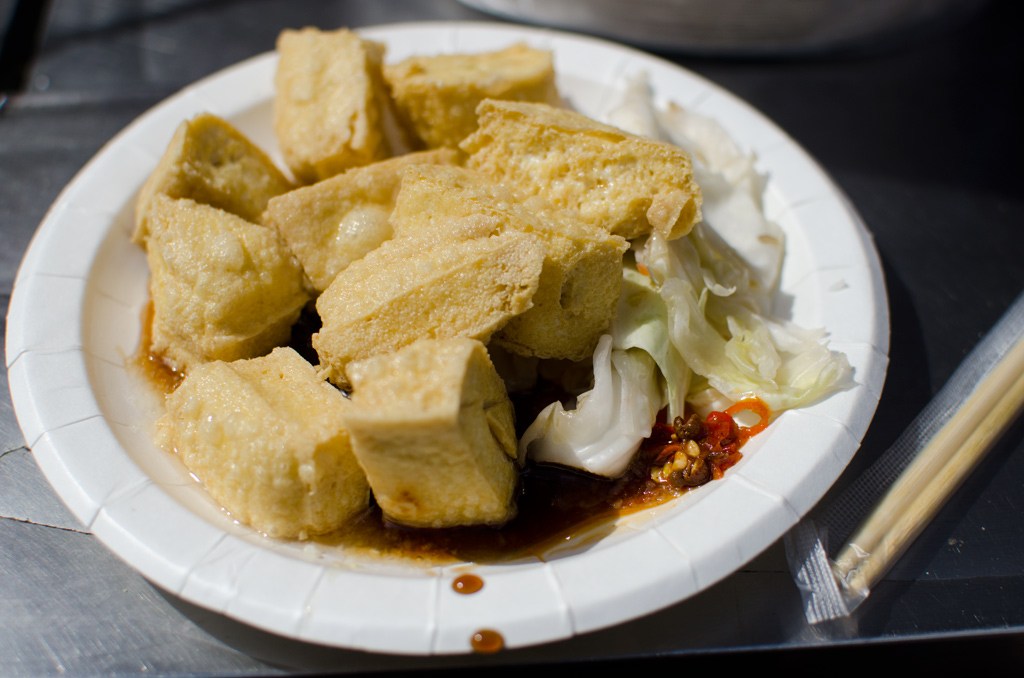
Traditional plant proteins like tofu, tempeh, and seitan have fed cultures for centuries without requiring venture capital or patent protection. But you can’t build a $2 billion valuation on fermented soybeans.
The real question isn’t whether these products taste like meat—it’s whether consumers understand they’re buying ultra-processed food wrapped in environmental righteousness. That’s not necessarily wrong, but it deserves honest labeling.