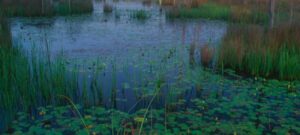


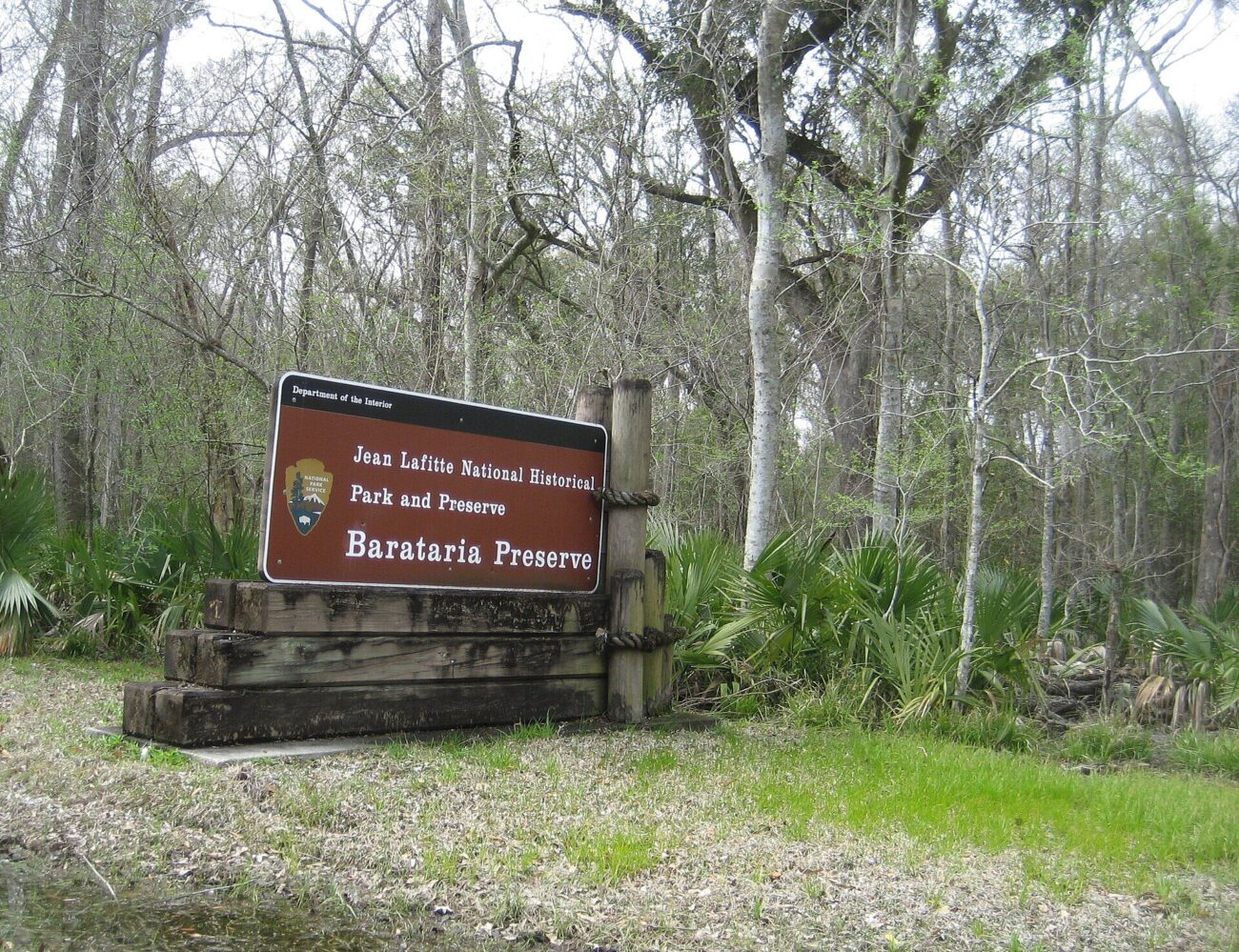
Wooden boardwalks wind through 23,000 acres of Louisiana swamp 30 minutes from downtown New Orleans. Barataria Preserve in Jean Lafitte National Historical Park lets you walk above cypress swamps, palmetto groves, and bayous without mud, boats, or guides. This is the Mississippi River Delta’s natural state before humans drained it to build cities.
The preserve sits in Jefferson Parish off Barataria Boulevard. Eight miles of trails include boardwalk sections elevated above water and dirt trails through hardwood forest. The boardwalks let you walk directly over the swamp, watching alligators, turtles, and wading birds below. The trails require no special equipment, no waivers, no reservations. Show up, walk, leave.
The Bayou Coquille Trail is 1.8 miles round trip, mostly boardwalk. It loops through the cypress-tupelo swamp and palmetto understory. This trail shows classic Louisiana wetland: standing water, Spanish moss, cypress knees, and alligators. The boardwalk sits 3-4 feet above water level. Alligators sun themselves on banks below. They ignore people on the boardwalk. Don’t leave the boardwalk.
The Marsh Overlook Trail is 0.5 miles to a platform overlooking a freshwater marsh. The platform gives a wide view of the wetland extending to the horizon. This is where the land becomes more water than solid ground. Bring binoculars for bird watching. Herons, egrets, ibis, and roseate spoonbills feed in the marsh. Bald eagles nest in the preserve and occasionally fly overhead.
The Ring Levee Trail is 2.3 miles along a dirt levee through a hardwood forest and along the bayou edge. This trail floods less than others. It’s good for hiking when recent rain makes boardwalks slippery. The levee gives elevated views of Bayou Coquille and the surrounding forest.
Wildlife is visible year-round but spring and fall are best. Spring brings nesting birds, blooming irises, and active alligators. Fall brings migrating birds and cooler temperatures. Summer is hot, humid, and buggy but the swamp is lush. Winter is quiet with fewer visitors and dormant alligators.
Alligators are common. You’ll see them. They’re wild animals, not attractions. Keep a minimum of 15 feet distance. Don’t approach them for photos. Don’t feed them. Feeding alligators is illegal and makes them associate humans with food. That gets alligators killed by wildlife officials. Parents should keep children on trails and away from water edges.
The visitor center at 6588 Barataria Boulevard has exhibits on wetland ecosystems, ranger-led programs, and trail maps. Rangers lead free walks Wednesday-Sunday at 2pm. The center is open daily 9am-5pm. Parking is free. Restrooms are available. Trails are open sunrise to sunset year-round.
Admission is free. No tickets, no entrance fee. This is National Park Service property funded by federal taxes. Walk in, use the trails, leave. Donations accepted but not required.
Bring water, bug spray, sunscreen, and a hat. Louisiana humidity exhausts people quickly. The boardwalks have no shade. Summer temperatures reach 95°F with 90% humidity. Hydration matters. Bug spray is essential year-round. Mosquitoes breed in standing water. The preserve is mostly standing water.
Wear closed-toe shoes with good tread. Boardwalks get slippery when wet. Dirt trails have roots and uneven ground. Sandals and flip-flops don’t work here. Bring a rain jacket in spring and summer when afternoon thunderstorms are common.
Photography is excellent. The boardwalks provide stable platforms for wildlife shots. Morning light is best for photos. Gators are most active morning and late afternoon. Birds feed throughout the day. Bring a telephoto lens for wildlife. Wide-angle works for landscape and cypress swamp scenes.
The preserve protects wetlands that are disappearing from Louisiana. The state loses a football field of coastal wetland every 100 minutes to subsidence, erosion, and sea level rise. Barataria Preserve shows what’s being lost and why it matters. These wetlands are storm surge buffers, fish nurseries, and carbon sinks.
The preserve is part of Jean Lafitte National Historical Park, which includes six sites around New Orleans. Barataria is the largest and most developed for visitors. The park is named for Jean Lafitte, the pirate who operated in Barataria Bay in the early 1800s. Lafitte used these bayous to smuggle goods and hide from authorities.
Compare Barataria to commercial swamp tours. Commercial tours use airboats, feed alligators for show, and cost $25-75 per person. Barataria is free, quiet, and shows natural animal behavior. You control your pace. You’re not in a group. The experience is more educational, less entertainment.
The drive from New Orleans takes 30-45 minutes depending on traffic. Take US-90 West to Barataria Boulevard South. Follow signs to the visitor center. The preserve sits in suburbia between strip malls and subdivisions. The contrast is jarring. You drive past Walmart then enter pristine wetland.
Barataria works as half-day trip from New Orleans. Drive down, walk the trails, return for lunch. Serious hikers spend 3-4 hours covering all trails. Casual visitors walk Bayou Coquille Trail and leave satisfied after 90 minutes.