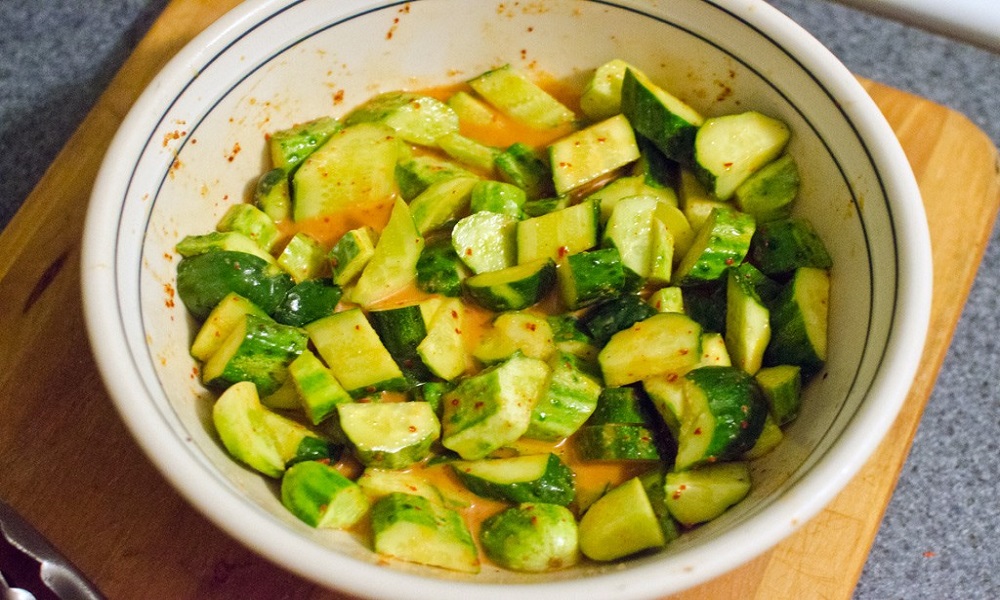



Crunching pickles at 3 AM shouldn’t be relaxing, yet millions tune into amplified eating sounds for stress relief. Culinary ASMR has evolved from internet oddity to mainstream comfort ritual, transforming mundane food preparation into immersive sensory experiences that calm minds and enhance flavors through familiar comfort food associations.
The Science Behind Sonic Satisfaction
Research reveals how food sounds actually change what you taste.
Your brain processes eating sounds as flavor cues, according to Dr. Charles Spence’s research at Oxford’s Crossmodal Research Laboratory. His studies demonstrate that deliberate noisy eating—like noodle slurping—can increase perceived flavor intensity by integrating sound with taste perception.
Food companies have capitalized on this discovery, amplifying crunch sounds in advertisements to signal freshness and trigger cravings. The phenomenon, dubbed “sonic seasoning,” suggests that what you hear fundamentally shapes what you taste.
Four Sounds That Trigger Food Bliss
These specific audio triggers dominate culinary ASMR content.
- Crunch: Sharp, high-frequency sounds from pickles, fried chicken, and crispy snacks signal freshness and satisfaction while providing potent relaxation triggers.
- Sizzle: The gentle hiss of oil and fat in a heated pan mimics comforting home-cooking environments, offering instant calm through familiar kitchen acoustics.
- Slurp: Noodle pulls and tea pours create intimate, soothing moments that echo communal eating rituals and childhood comfort memories.
- Whispered recipes: Soft narration blends traditional ASMR triggers with culinary storytelling, creating personal guidance that feels like cooking alongside a trusted friend.
From TikTok Clips to Sleep Playlists
Different platforms serve different ASMR appetites and attention spans.
TikTok and Instagram dominate with snappy crunch compilations perfect for quick stress resets between meetings. YouTube hosts longer-form content designed for bedtime wind-downs, featuring extended cooking sessions with minimal interruption.
The core audience—digitally savvy millennials and Gen Z women—uses these sounds strategically: as sleep aids, meal prep motivation, and alternatives to mindless scrolling during anxiety spikes.
The Comfort Economy of Amplified Eating
Not everyone experiences tingles, but mainstream appeal transcends ASMR sensitivity.
Early research suggests ASMR content can lower heart rates and reduce depressive feelings, though larger studies remain needed for robust health claims. What’s undeniable is the cultural shift: routine cooking transforms into multisensory ritual through sensitive microphones and deliberate sound design.
Even skeptics find value in the meditative qualities of repetitive chopping, bubbling, and stirring—sounds that anchor attention and slow racing thoughts in our hyperconnected moment.